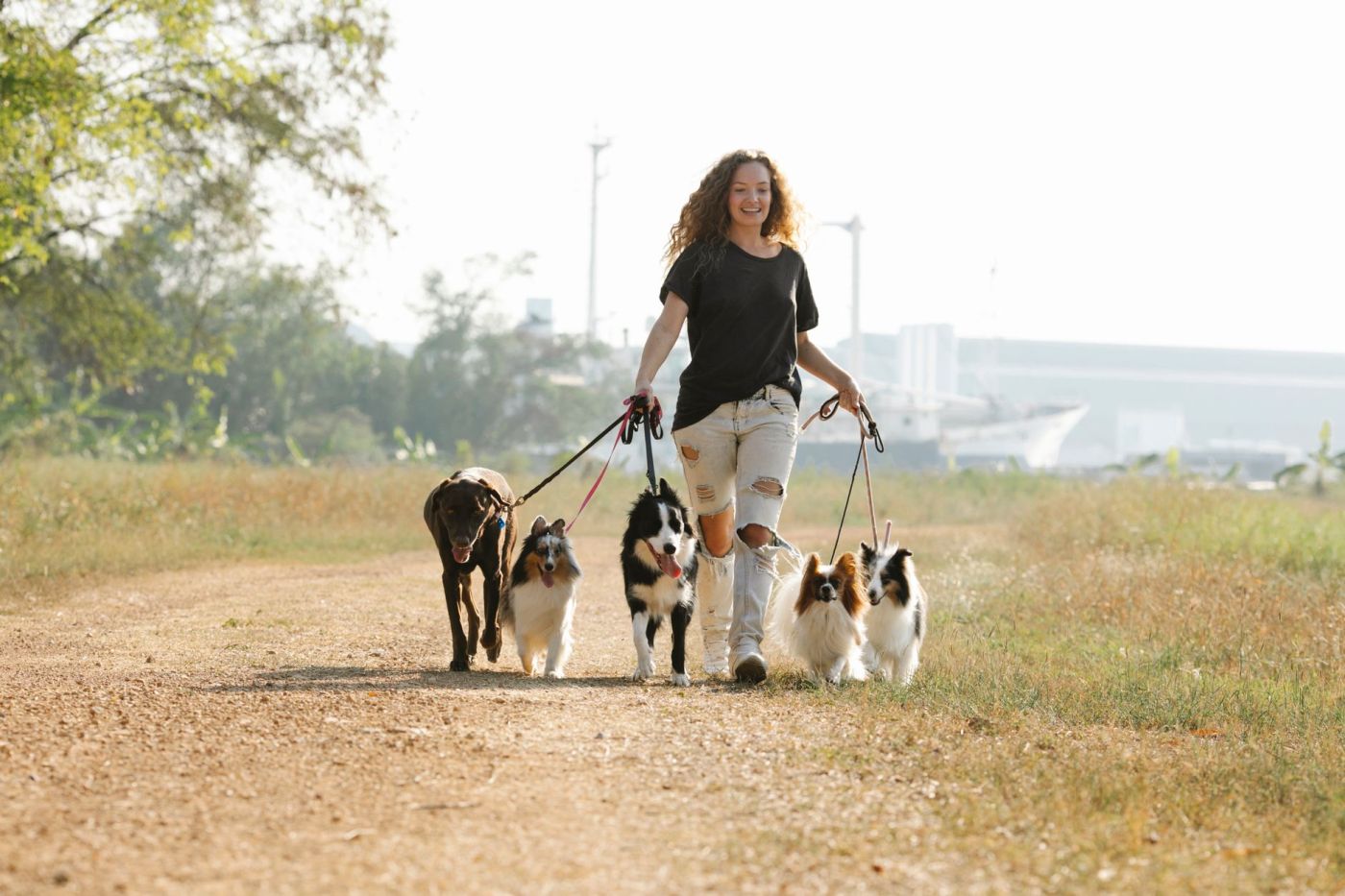
Walks should be the best part of your dog’s day – for both of you. But when every walk turns into a tug-of-war, with your dog dragging you toward every smell, squirrel, and stranger, it is hard to enjoy being outside together. Your arm aches, your dog is frustrated, and neither of you is really having fun.
The good news is that loose-leash walking is a skill, not a personality trait. Your dog is not being stubborn. Pulling simply works for them: pull, and they get to the interesting thing faster. With a few short, consistent practice sessions, most dogs can learn to walk on a loose leash.
Why Dogs Pull on the Leash
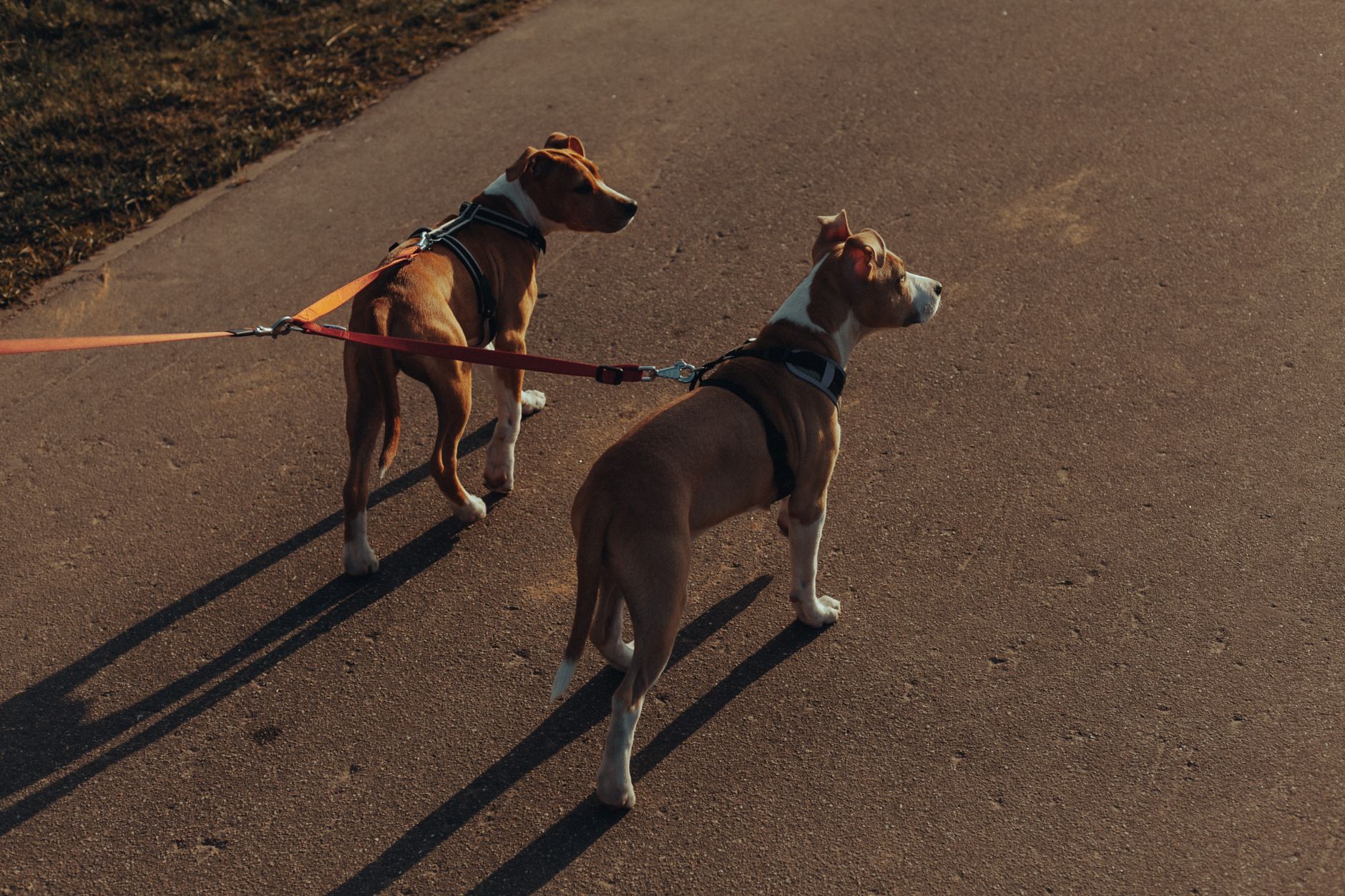
Most dogs pull for a few simple reasons:
- Pulling pays off. Every time your dog pulls and you follow, they learn that pulling gets them where they want to go.
- The world is exciting. New smells, other dogs, and people are all more interesting than walking calmly beside you.
- They have not been taught otherwise. Walking nicely on a leash is not natural for a dog. It is a skill to be taught, step by step, just like sit or stay.
That is encouraging news. Your dog is not misbehaving on purpose. They just need clear, kind guidance – and a reason to stay close to you.
What You Will Need Before You Start
You do not need fancy equipment. Keep it simple:
- A comfortable, well-fitting harness or flat collar
- A standard leash, about 4 to 6 feet long (skip retractable leashes for training)
- Small, soft treats your dog loves, cut into tiny pieces
- A treat pouch or a pocket you can reach easily
- A quiet spot with few distractions, like your yard or a calm street
Plan for short sessions of just 5 to 10 minutes. A few good minutes beat a long, frustrating walk every time.
The 5-Step Loose-Leash Method
Work through these steps in order, and only move on when the step before feels easy for your dog.
Step 1: Reward the spot. In your quiet practice spot, stand still and wait for your dog to look at you or move toward your side. The moment they do, say “Yes!” and give a treat right by your leg, where you want them to walk.
Step 2: Take a few steps together. Take three or four slow steps forward. If the leash stays loose, praise your dog and drop a treat at your side. If they surge ahead, stop and wait. Even a few good steps count as a win.
Step 3: Be a tree when the leash tightens. The moment the leash goes tight, stop walking and stand still. Do not yank the leash or drag your dog back. When they turn toward you or the leash loosens, say “Yes!” and move forward again. Your dog learns a simple rule: a tight leash stops the fun, and a loose leash keeps the walk going.
Step 4: Change direction. If your dog keeps charging ahead, calmly turn and walk the other way. When they catch up and the leash loosens, reward them at your side. Direction changes keep your dog paying attention to you instead of pulling toward whatever is ahead.
Step 5: Add a cue and build up slowly. Once your dog walks nicely for short stretches, add a cue like “Let’s go” as you start moving. Then gradually practice in slightly busier places, starting at a good distance from distractions.
Throughout, use positive reinforcement: reward the behavior you want, instead of punishing the behavior you do not. Treats, praise, and the chance to keep walking are all rewards your dog understands.
Common Mistakes That Slow Progress
- Practicing for too long. Long sessions tire out both of you. Quit while you are ahead, after a few good steps.
- Only training on exciting walks. If every session is a walk to the dog park, your dog is too excited to learn. Practice in boring places first.
- Moving forward on a tight leash. If you keep walking while your dog pulls, pulling keeps working. Stop, wait for slack, then move.
Frequently Asked Questions
How long does loose-leash walking take to learn?
Most dogs show real improvement in two to four weeks of short, daily practice. It depends on your dog’s age, energy, and how much pulling has been rewarded in the past.
Can puppies learn loose-leash walking?
Yes, and the earlier the better. Keep sessions short and fun: a puppy will not walk perfectly, but they can learn that staying close to you pays off.
Helpful Next Reads
Loose-leash walking works best alongside the basics. Explore our dog training hub for the foundations, and refresh your approach with our guide to positive reinforcement.
Remember: a loose leash is not about control, it is about teamwork. Reward your dog for walking beside you, and walks become calmer, safer, and more fun for both of you. Start small, stay patient, and celebrate the little wins.
Want an easier start to puppy life? Grab our free puppy checklist here: https://rockynus.systeme.io/04b9540e
Love dogs as much as we do? Visit our RockynusPrints shop on Etsy: https://rockynusprints.etsy.com
Going out without the guilt? Check out the book Calm When You’re Gone by Rockynus on Amazon (paperback): https://www.amazon.com/dp/B0HR9W6L2S

