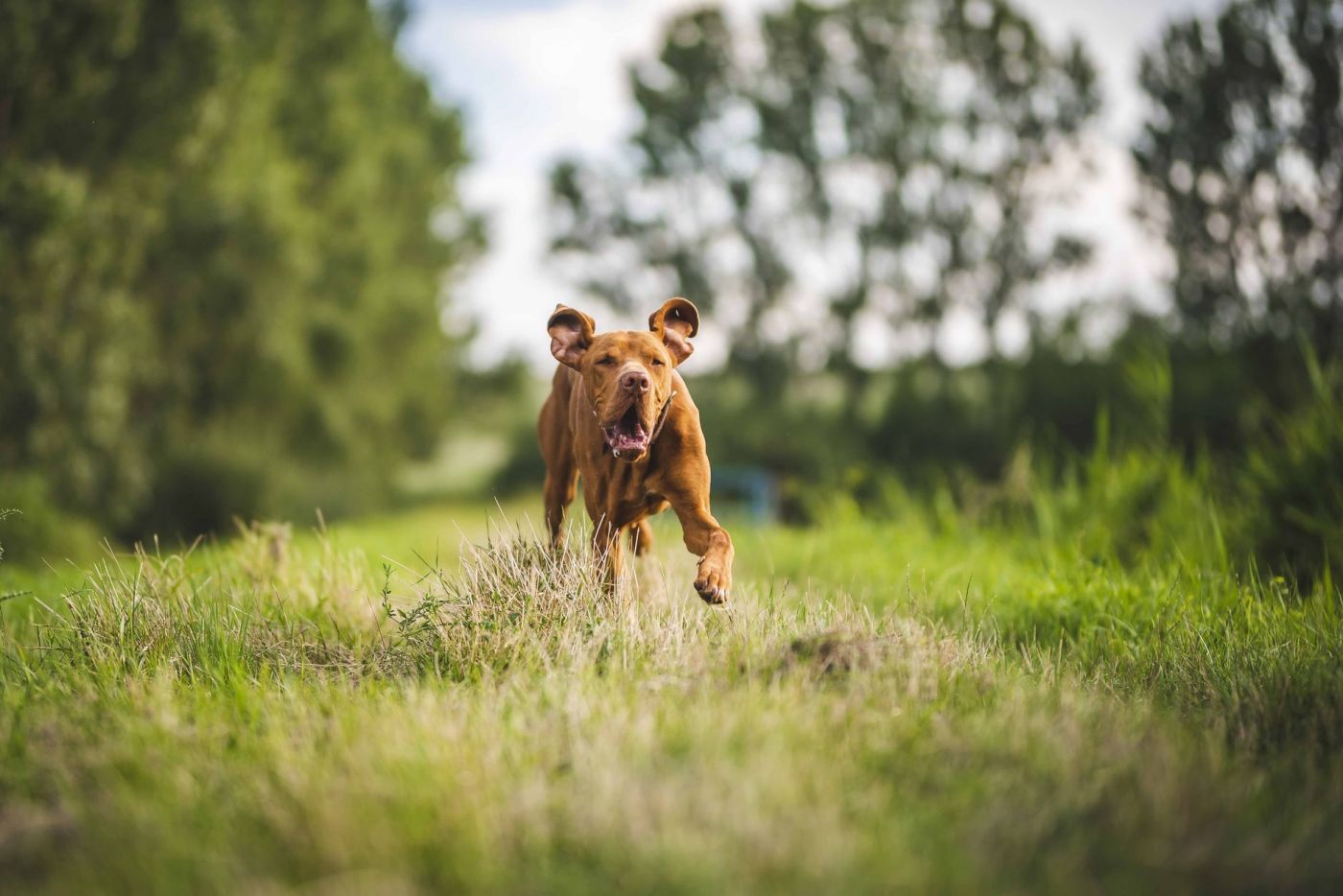
Picture this: you are at the park, your dog spots a squirrel, and in a flash they are halfway across the field. You call — nothing. You call again, louder — still nothing. That sinking feeling is exactly why recall matters.
Coming when called is a safety skill, not just a neat trick. A reliable recall lets your dog enjoy more freedom — off-leash hikes, fetch, playtime in the yard — while you stay confident you can bring them back when it counts. Any dog can learn it, at any age, with short, happy sessions and plenty of rewards.
Why Recall Matters
Recall can stop your dog running into traffic, chasing wildlife, or eating something dangerous. It also makes daily life easier: calling your dog in from the yard or gathering them at the dog park becomes simple instead of stressful. Think of it as your dog’s emergency brake — the one cue you want to work every time, even when something exciting is happening.
The #1 Rule: Never Punish a Dog for Coming to You
Never punish your dog for coming to you, even if they were slow. If your dog finally trots back and you scold them, they learn that coming to you leads to trouble — so next time they will come even slower, or not at all. Greet every return with praise, a treat, or a game. This is positive reinforcement in action: reward the behavior you want, and your dog will offer it more often.
Step 1: Start Indoors With High-Value Treats
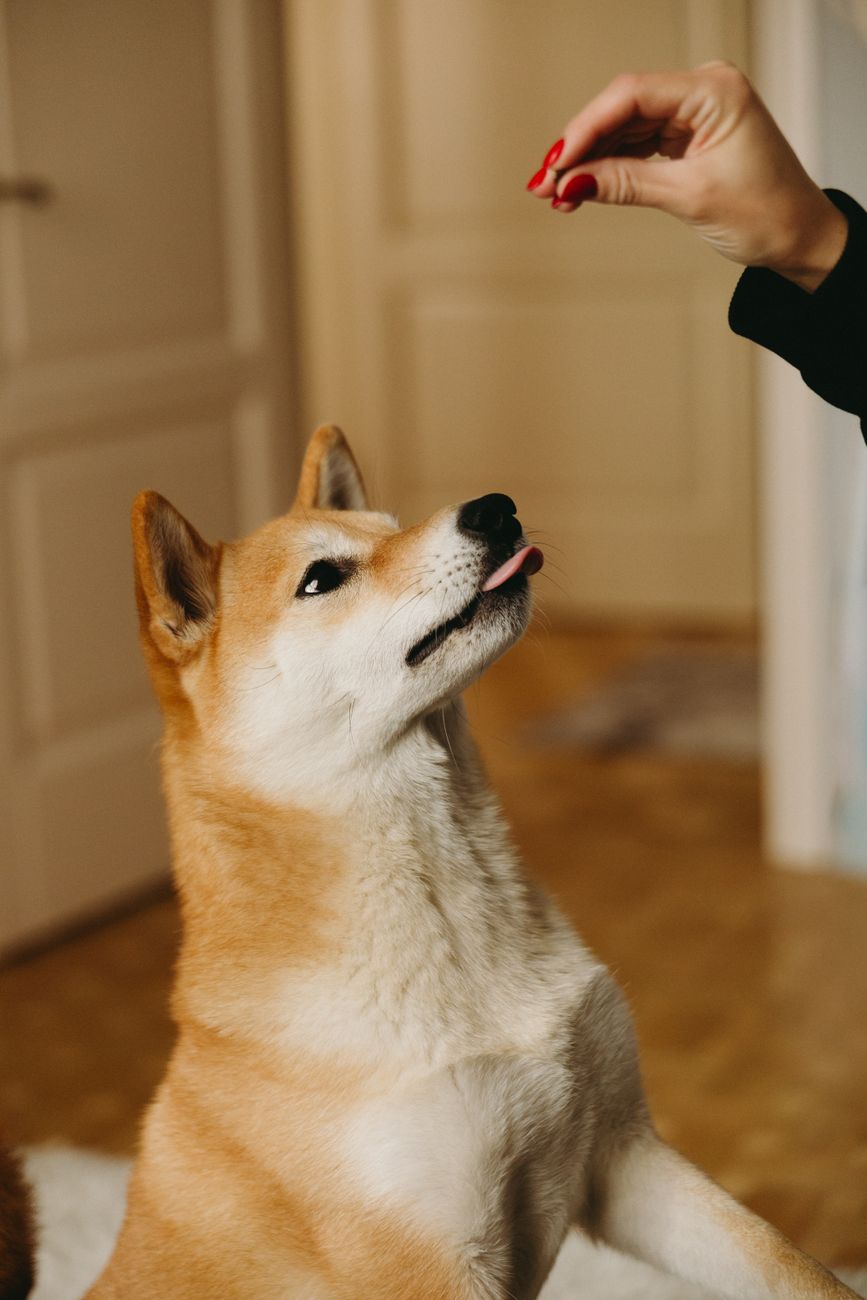
Begin in a quiet room with almost no distractions. Let your dog wander a few feet away, then say “come” in a bright, happy voice. The moment they turn toward you, praise them and offer a high-value treat, like small pieces of chicken or cheese. Keep sessions to five minutes, a few times a day.
Step 2: Add Distance Gradually
Once your dog happily comes from across the living room, add distance a little at a time. Call from another room, then the hallway, then the top of the stairs. Move farther only when your dog is getting it right most of the time. If they struggle, go back to an easier distance and rebuild. Slow progress is still progress.
Step 3: Practice in the Yard, Then Low-Distraction Outdoor Spots
Take training outside, but start easy. A fenced yard is perfect for the first outdoor sessions. Then try a quiet street, an empty field, or a calm corner of the park. Each new place adds smells and sounds, so expect your dog to be less reliable at first. Keep treats extra tasty outdoors and celebrate every success. Recall and loose-leash walking go hand in hand: both teach your dog that staying connected to you pays off.
Step 4: Add a Long Line for Safety
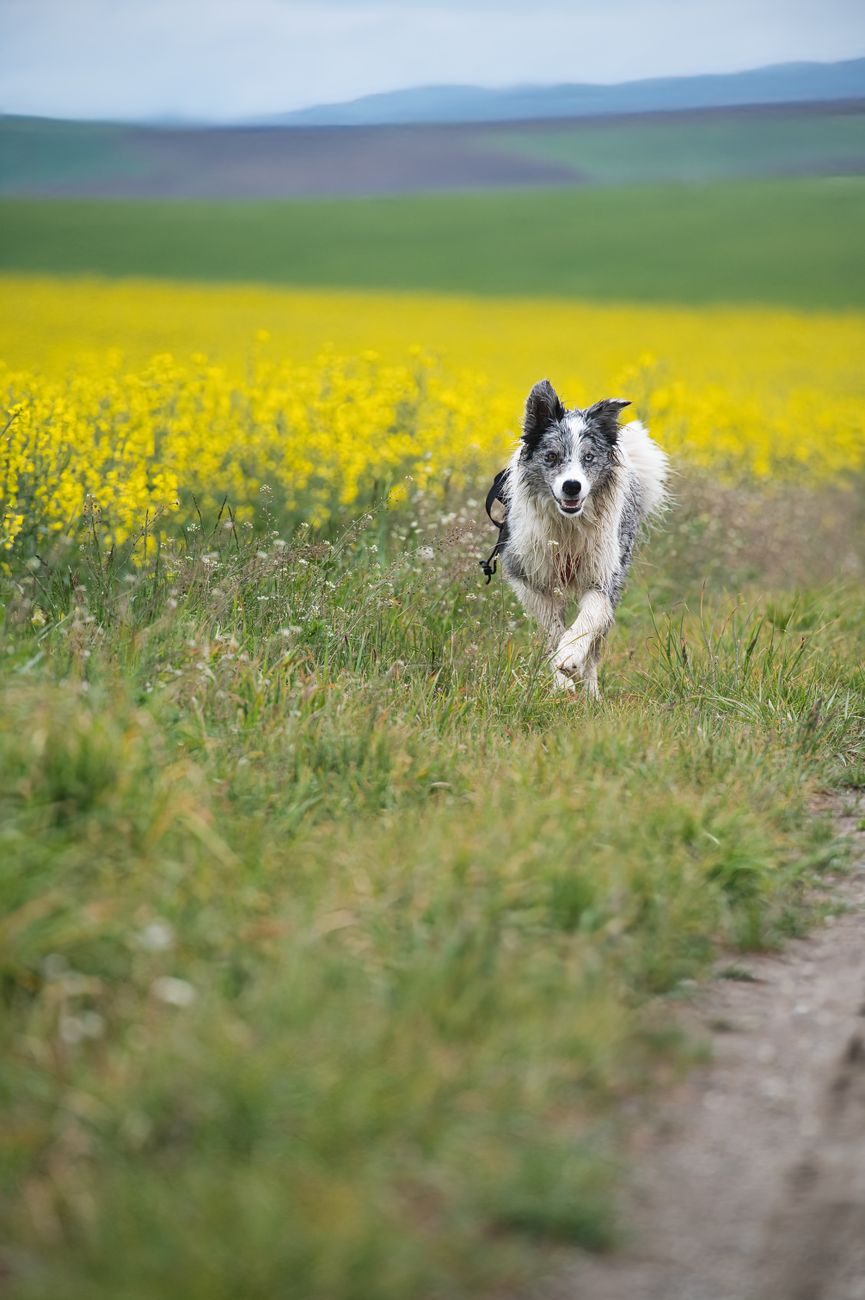
A long line — a 20- to 30-foot lightweight leash — is your safety net in open spaces. Let it drag on the ground or hold the end loosely. If your dog ignores your call, gently step on the line or pick it up and guide them back, instead of letting them practice running away. Never jerk it or reel your dog in like a fish.
Step 5: Proof It With Real-Life Distractions
Once your dog comes reliably in quiet places, add distractions one at a time: a friend nearby, a toy on the ground, another dog at a distance. Reward generously for coming away from something interesting — that is the hardest recall, and it deserves your best treats. A recall that only works in your kitchen is not reliable yet. For more ideas, explore our dog training hub.
What to Do When Your Dog Ignores You
Do not chase your dog. Chasing turns recall into keep-away, and most dogs can outrun us. Instead, run the other way, clap your hands, or crouch down and make yourself exciting — many dogs cannot resist following a person running away from them. Then go back to easier practice: an ignored recall usually means the distraction was too big or the distance too far, not that your dog is being stubborn.
Common Mistakes to Avoid
- Calling your dog over and over. Say “come” once, then help them succeed. Repeating it teaches them they can ignore the first five calls.
- Only calling your dog to end the fun. If “come” always means bath time or leaving the park, your dog will stop coming. Call them often just for a treat, then let them play again.
- Using recall as punishment. Never call your dog to scold them, and never punish a slow return. Coming to you must always feel safe.
- Practicing only when you need it. Short, fun practice a few times a week keeps recall fresh. Do not wait for an emergency to test it.
Quick Recall FAQ
How long does it take to teach recall? Most dogs show real progress in two to four weeks of short daily sessions, but a truly reliable recall takes months of practice in different places. Keep practicing — it is worth it.
Keep the Learning Going
Want a head start with your new puppy? Grab our free puppy checklist to make sure you have everything covered.
Looking for something special for dog lovers? Visit the RockynusPrints shop on Etsy.
And if your dog struggles when you leave the house, check out the book Calm When You’re Gone by Rockynus on Amazon (paperback).


Leave a Reply