Teach Your Dog “Leave It”: A Simple 5-Step Guide

Your dog spots a dropped chicken bone on the sidewalk, a sock on the floor, or a pill that rolled under the table — and suddenly your walk turns into a wrestling match. “Leave it” is the cue that ends that scramble. It tells your dog to turn away from something tempting, and it can genuinely keep them safe.

Why “Leave It” Matters

“Leave it” is one of the most useful cues you will ever teach, because it protects your dog from things you can’t always control: dropped food on walks, trash, medication, sharp objects, and other dogs’ toys. It also builds impulse control, which makes every other part of training easier — a dog who can leave a treat alone can also wait at the door and walk past distractions.

It works for puppies and adult dogs alike, and it pairs naturally with recall: “come” brings your dog to you, while “leave it” keeps them away from trouble in the first place.

Before You Start: What You’ll Need

You only need a few things: a handful of small, tasty treats your dog loves, plus a few boring ones (plain kibble works well) for the “leave it” item itself. Start somewhere quiet indoors, with no other distractions around.

The golden rule: your dog should never get the item they are asked to leave. The reward always comes from you, not from the thing on the floor. That is what teaches them that ignoring something pays better than grabbing it.
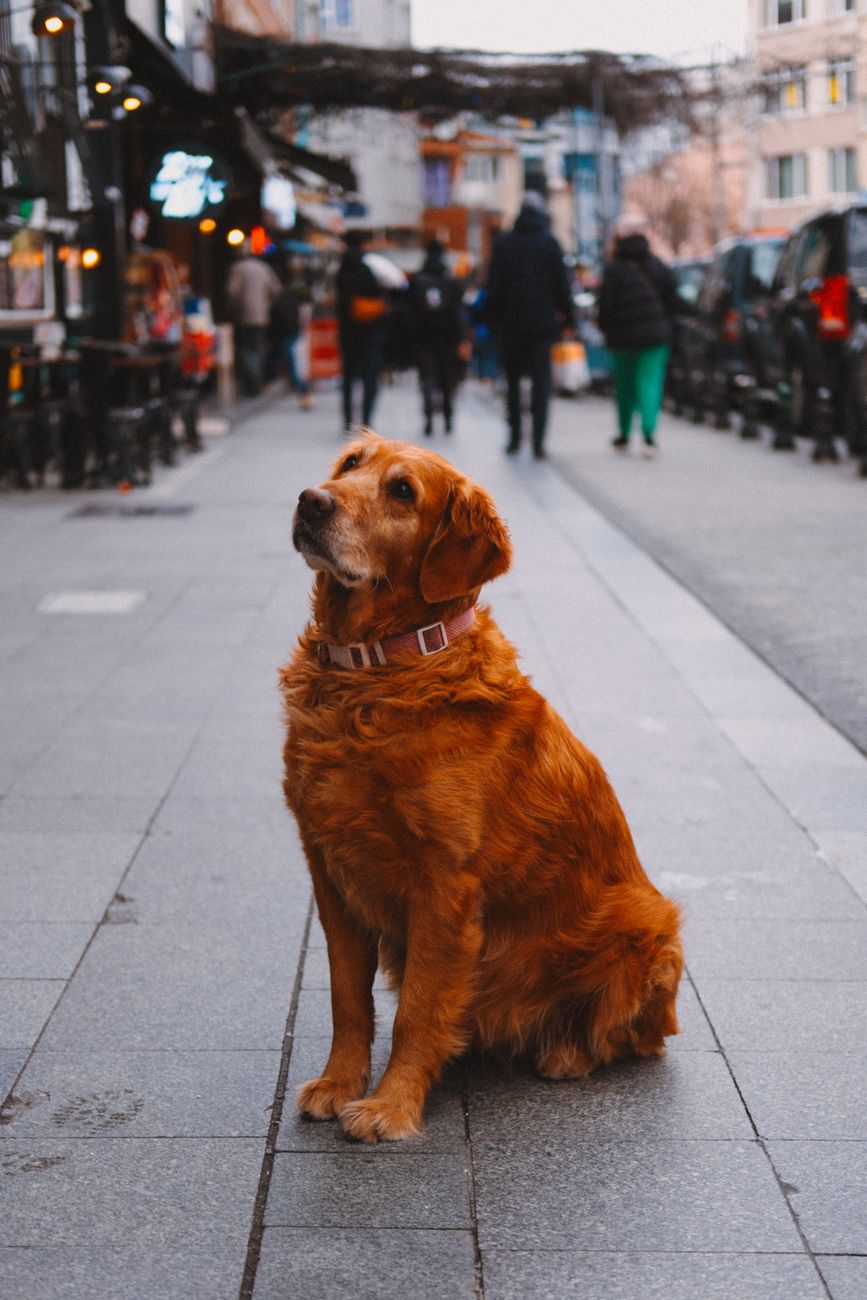
Dog sitting patiently on the sidewalk, waiting for a treat
Photo by Gu00f6rkem Cetinkaya on Pexels.com

The 5 Steps

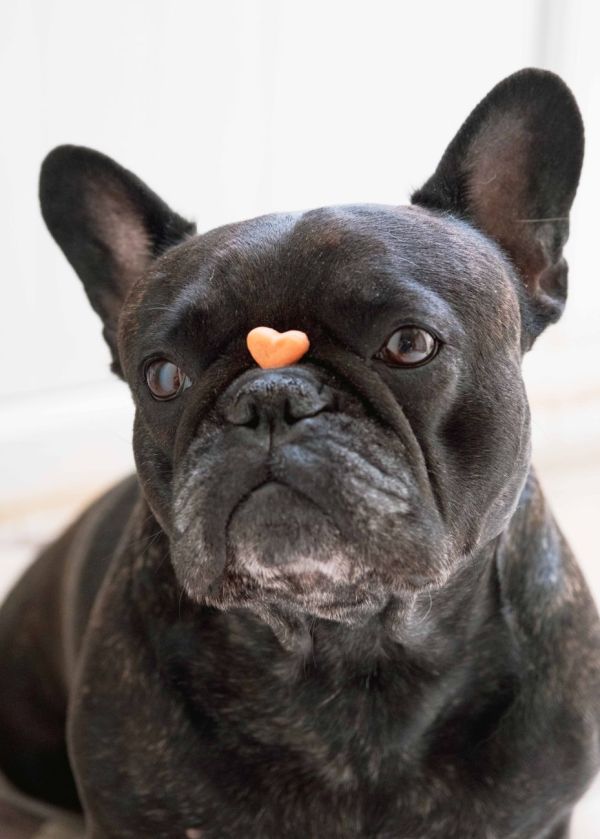
Step 1: The closed fist. Hold a treat in your closed hand and let your dog sniff and paw at it. Stay quiet and wait. The moment they pull their nose away — even for a second — say “yes!” and give them a different, tastier treat from your other hand. Repeat this five or six times.

Step 2: Open your hand. Once your dog is turning away from your closed fist quickly, try it with your hand open, palm up, treat resting in it. If they lunge, close your hand again and try once more. When they look away from the open hand, mark it with “yes!” and reward from your other hand.

Step 3: The treat on the floor. Place a boring treat on the floor and cover it with your hand. Wait for your dog to look away, then mark and reward with a better treat from your pocket. Gradually lift your hand so the treat is uncovered, but be ready to cover it again if they dive for it.

Step 4: Add the words. Now say “leave it” once, just before you put the treat down. Your dog already knows the game by now, so the words simply become the signal for it. Keep rewarding every correct turn-away with a treat that is better than the one on the floor.

Step 5: Practice in real life. Move to different rooms, then the garden, then the sidewalk. Start with boring items and work up to exciting ones. Keep sessions short — five minutes is plenty — and always end while your dog is still getting it right.

3 Mistakes That Make “Leave It” Harder

  • Repeating the cue. Saying “leave it, leave it, leave it!” teaches your dog to wait for the third or fourth try. Say it once, then wait.
  • Letting them win the item. If your dog grabs the treat off the floor and eats it, the lesson flips: grabbing paid off. Set things up so they can’t succeed by lunging — cover the treat, use a leash, or start easier.
  • Moving too fast. Jumping from your living room to a busy street skips the middle steps. If your dog fails twice in a row, go back to an easier version and rebuild.

What to Do When Your Dog Grabs It Anyway

It will happen, especially early on. Don’t chase your dog or pry their mouth open — that turns it into a game and can make them swallow faster. Instead, stay calm and offer a trade: hold a high-value treat near their nose and swap it for whatever they picked up. Then make a note of what went wrong and set up an easier practice round next time.

Quick Answers

How long does it take to teach “leave it”? Most dogs get the indoor version in a few days of short sessions. Reliable “leave it” around real-life temptations takes a few weeks of steady practice — that’s normal.

Can a young puppy learn it? Yes. Puppies as young as 8 to 10 weeks can learn the closed-fist game. Keep sessions very short and always use rewards they love.

My dog only listens at home. Why? Because each new place is a brand-new test for a dog. Practice in one new spot at a time and lower the difficulty whenever you change locations.

And if you want to build on it, positive reinforcement is the foundation behind every step above — reward the choice you want, and your dog will keep choosing it. You can find more step-by-step training guides on our Training hub.


Want a head start with your puppy? Grab our free puppy checklist here: https://rockynus.systeme.io/04b9540e

Looking for step-by-step training help? Visit the RockynusPrints shop on Etsy for printable dog-training kits: https://rockynusprints.etsy.com

Does your dog panic when you leave? Our book Calm When You’re Gone by Rockynus can help — paperback on Amazon: https://www.amazon.com/dp/B0HR9W6L2S
Teach Your Dog to Come When Called: A Reliable Recall in 5 Steps

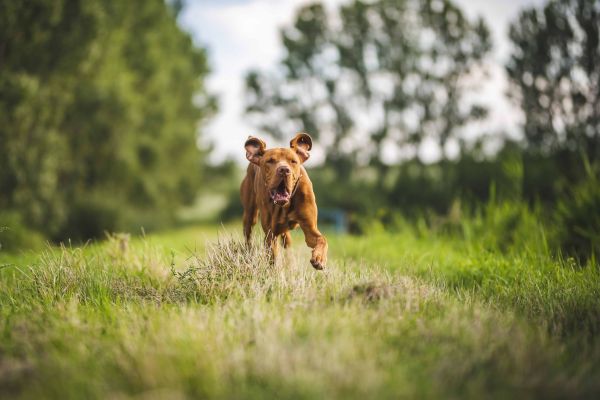
Picture this: you are at the park, your dog spots a squirrel, and in a flash they are halfway across the field. You call — nothing. You call again, louder — still nothing. That sinking feeling is exactly why recall matters.

Coming when called is a safety skill, not just a neat trick. A reliable recall lets your dog enjoy more freedom — off-leash hikes, fetch, playtime in the yard — while you stay confident you can bring them back when it counts. Any dog can learn it, at any age, with short, happy sessions and plenty of rewards.

Why Recall Matters

Recall can stop your dog running into traffic, chasing wildlife, or eating something dangerous. It also makes daily life easier: calling your dog in from the yard or gathering them at the dog park becomes simple instead of stressful. Think of it as your dog’s emergency brake — the one cue you want to work every time, even when something exciting is happening.

The #1 Rule: Never Punish a Dog for Coming to You

Never punish your dog for coming to you, even if they were slow. If your dog finally trots back and you scold them, they learn that coming to you leads to trouble — so next time they will come even slower, or not at all. Greet every return with praise, a treat, or a game. This is positive reinforcement in action: reward the behavior you want, and your dog will offer it more often.

Step 1: Start Indoors With High-Value Treats

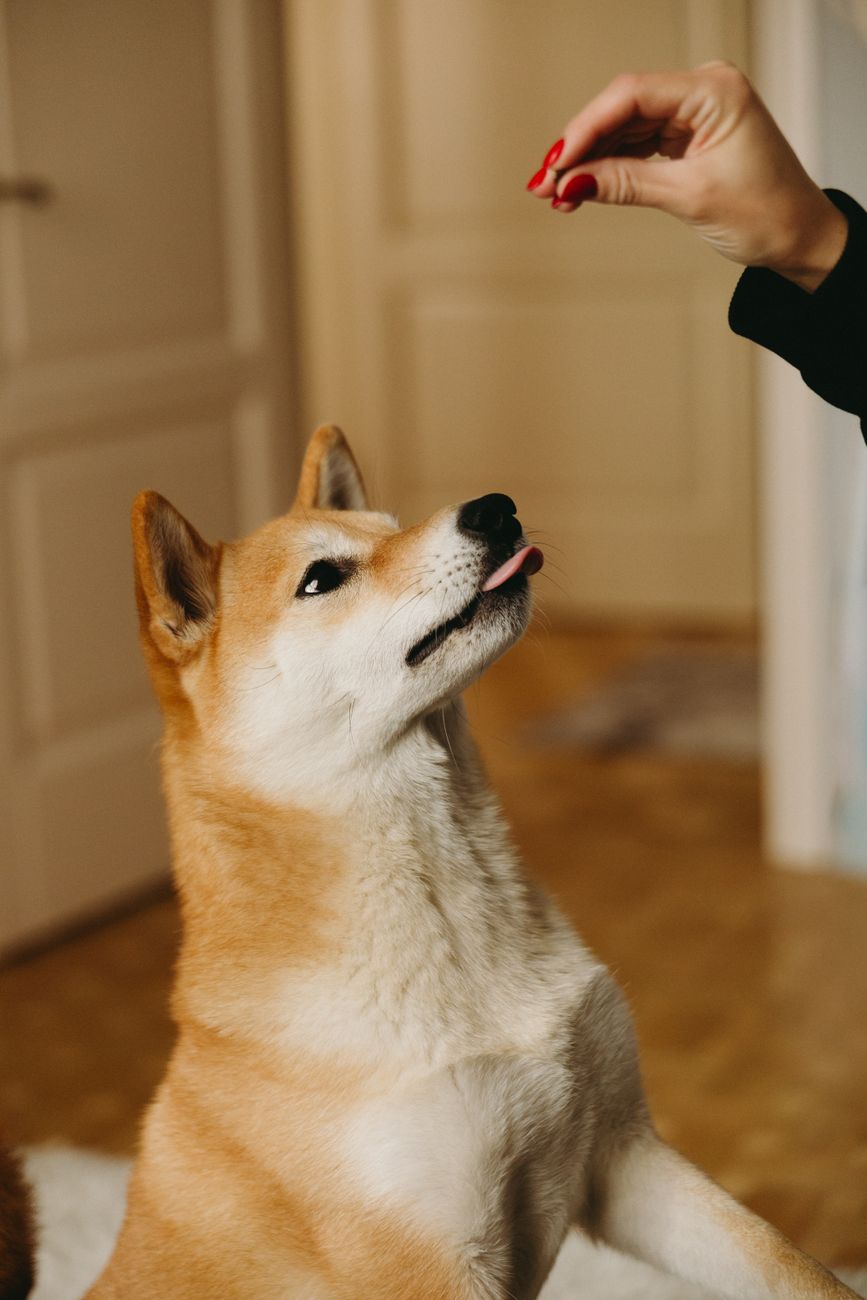
Begin in a quiet room with almost no distractions. Let your dog wander a few feet away, then say “come” in a bright, happy voice. The moment they turn toward you, praise them and offer a high-value treat, like small pieces of chicken or cheese. Keep sessions to five minutes, a few times a day.

Shiba Inu dog looking up at its trainer during an indoor training session
Photo by Margarita on Pexels.com

Step 2: Add Distance Gradually

Once your dog happily comes from across the living room, add distance a little at a time. Call from another room, then the hallway, then the top of the stairs. Move farther only when your dog is getting it right most of the time. If they struggle, go back to an easier distance and rebuild. Slow progress is still progress.

Step 3: Practice in the Yard, Then Low-Distraction Outdoor Spots

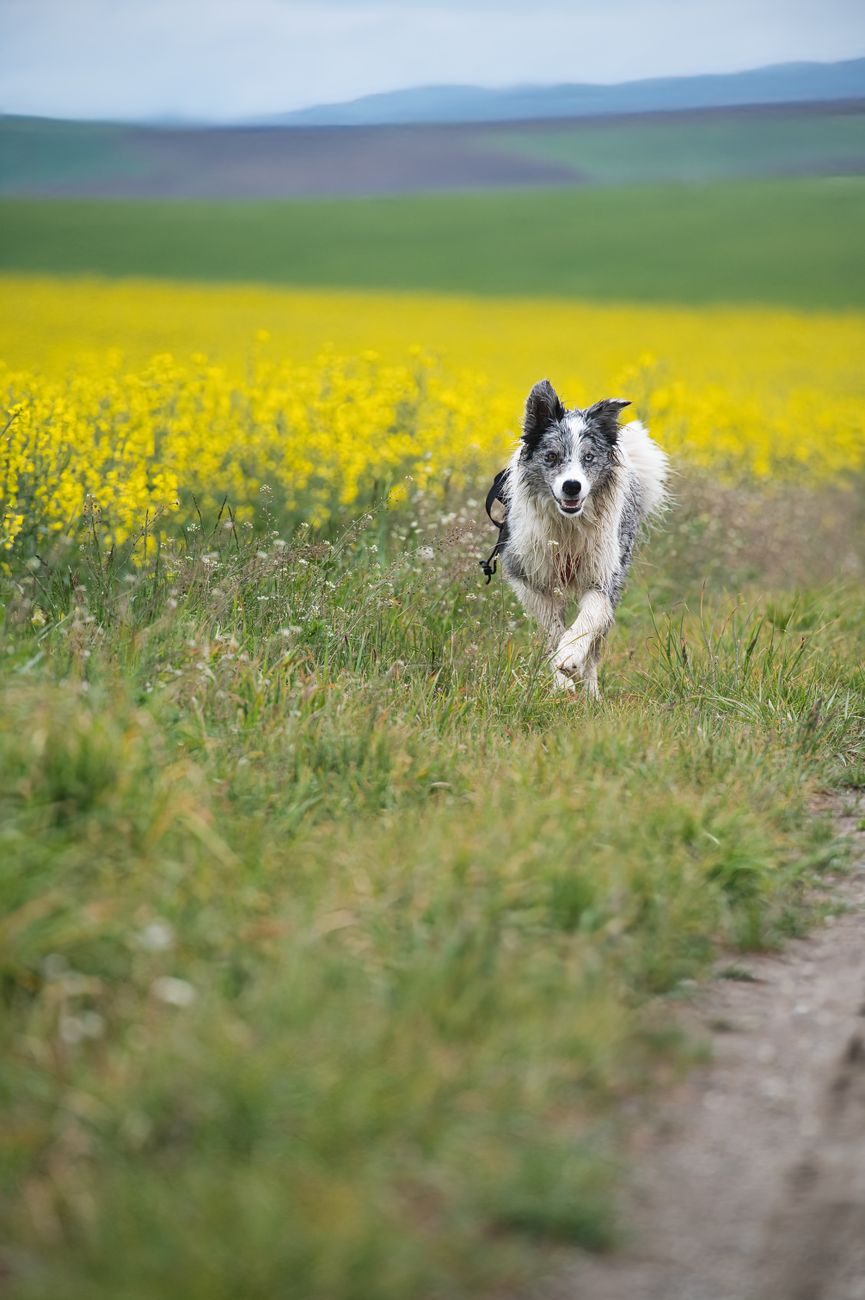
Take training outside, but start easy. A fenced yard is perfect for the first outdoor sessions. Then try a quiet street, an empty field, or a calm corner of the park. Each new place adds smells and sounds, so expect your dog to be less reliable at first. Keep treats extra tasty outdoors and celebrate every success. Recall and loose-leash walking go hand in hand: both teach your dog that staying connected to you pays off.

Joyful border collie running through a vibrant green and yellow field
Photo by Michal Petru00e1u0161 on Pexels.com

Step 4: Add a Long Line for Safety

A long line — a 20- to 30-foot lightweight leash — is your safety net in open spaces. Let it drag on the ground or hold the end loosely. If your dog ignores your call, gently step on the line or pick it up and guide them back, instead of letting them practice running away. Never jerk it or reel your dog in like a fish.

Step 5: Proof It With Real-Life Distractions

Once your dog comes reliably in quiet places, add distractions one at a time: a friend nearby, a toy on the ground, another dog at a distance. Reward generously for coming away from something interesting — that is the hardest recall, and it deserves your best treats. A recall that only works in your kitchen is not reliable yet. For more ideas, explore our dog training hub.

What to Do When Your Dog Ignores You

Do not chase your dog. Chasing turns recall into keep-away, and most dogs can outrun us. Instead, run the other way, clap your hands, or crouch down and make yourself exciting — many dogs cannot resist following a person running away from them. Then go back to easier practice: an ignored recall usually means the distraction was too big or the distance too far, not that your dog is being stubborn.

Common Mistakes to Avoid

  • Calling your dog over and over. Say “come” once, then help them succeed. Repeating it teaches them they can ignore the first five calls.
  • Only calling your dog to end the fun. If “come” always means bath time or leaving the park, your dog will stop coming. Call them often just for a treat, then let them play again.
  • Using recall as punishment. Never call your dog to scold them, and never punish a slow return. Coming to you must always feel safe.
  • Practicing only when you need it. Short, fun practice a few times a week keeps recall fresh. Do not wait for an emergency to test it.

Quick Recall FAQ

How long does it take to teach recall? Most dogs show real progress in two to four weeks of short daily sessions, but a truly reliable recall takes months of practice in different places. Keep practicing — it is worth it.

Keep the Learning Going

Want a head start with your new puppy? Grab our free puppy checklist to make sure you have everything covered.

Looking for something special for dog lovers? Visit the RockynusPrints shop on Etsy.

And if your dog struggles when you leave the house, check out the book Calm When You’re Gone by Rockynus on Amazon (paperback).

How to Socialize Your Puppy the Right Way

A well-socialized puppy grows into a confident, relaxed adult dog — one who can meet new people, greet other dogs calmly, and handle everyday sounds and places without panic. Socialization is not about meeting every dog in the park. It is about small, positive experiences that help the world feel safe and familiar.

The good news: you do not need to do it all at once. A few minutes a day, done well, will do far more than one overwhelming afternoon. Here is how to introduce your puppy to people, dogs, sounds, and places safely, and how to read their body language.

What Socialization Really Means (And What It Doesn’t)

Socialization means helping your puppy get used to the things they will meet in real life, in a safe, enjoyable way. Puppies learn fastest between about 3 and 16 weeks of age, so this is the best time to start.

Good socialization includes:

  • Meeting different kinds of people — children, older people, and people in hats or uniforms
  • Spending calm time near friendly, healthy dogs
  • Hearing everyday sounds like the vacuum, doorbell, traffic, and thunder
  • Walking on different surfaces and visiting new places, like a quiet café patio
  • Being gently handled — ears, paws, belly, and teeth — so vet visits and grooming feel normal

What socialization is not: forcing your puppy into scary situations, letting strangers grab them, or letting every dog rush up to say hello. If your puppy looks worried, the experience is too big, too close, or too long. Make it smaller, and try again another day.

Start Slow and Keep It Short

Two playful puppies wrestling outdoors on a sunny day
Photo by Hanifi Saru0131kaya on Pexels.com

Short, happy sessions are the secret. Aim for five to ten minutes at a time, once or twice a day, and always end while your puppy is still enjoying themselves. Pair every new experience with a tasty treat or praise, so new things start to mean good things. This is positive reinforcement at its simplest: reward the calm, curious behavior you want to see again.

  • One new thing at a time. A new person, a new sound, or a new place — not all three at once.
  • Let your puppy choose. Let them approach, sniff, and walk away. Never drag them toward something scary.
  • End on a high note. Finish with a treat or a game — and a nap. Puppies need lots of sleep to process new experiences.

Safe Introductions to People, Dogs, Sounds, and Places

People: Ask visitors to crouch down, speak softly, and let your puppy come to them. A treat offered with a flat, open hand works well. If your puppy hides behind your legs, let them watch from a safe distance until they feel brave enough to say hello.

Dogs: Choose calm, friendly, vaccinated adult dogs for first meetings. Start with a parallel walk — both dogs walking in the same direction, a few feet apart — before letting them sniff. Keep greetings short and on a loose leash, and separate them happily before excitement turns into jumping or barking.

Sounds and places: Start far away and at a low volume. Play recordings of thunder or fireworks quietly while your puppy eats dinner, and turn the volume up a little over several days. Visit new places at quiet times, and reward calm behavior. For more ideas, see our Training page.

Reading Your Puppy’s Body Language

Your puppy is always telling you how they feel. Reading those signals is the key socialization skill.

  • Relaxed and happy: loose, wiggly body, soft eyes, mouth slightly open, tail wagging low and wide. Keep going — this is exactly right.
  • A little unsure: yawning, lip licking, turning their head away, or ears back. Give them space and make things easier.
  • Overwhelmed: tucked tail, cowering, shaking, barking, or trying to run away. Calmly move them away and let them recover. This is not a failure — it is information.

What to Do When Your Puppy Is Scared

Every puppy gets scared sometimes. Stay calm, speak softly, and increase the distance from whatever is worrying them. Let your puppy watch from where they feel safe, and reward them for looking or stepping closer. Never scold a frightened puppy or force them closer — fear needs patience, not pressure.

A Simple Weekly Socialization Plan

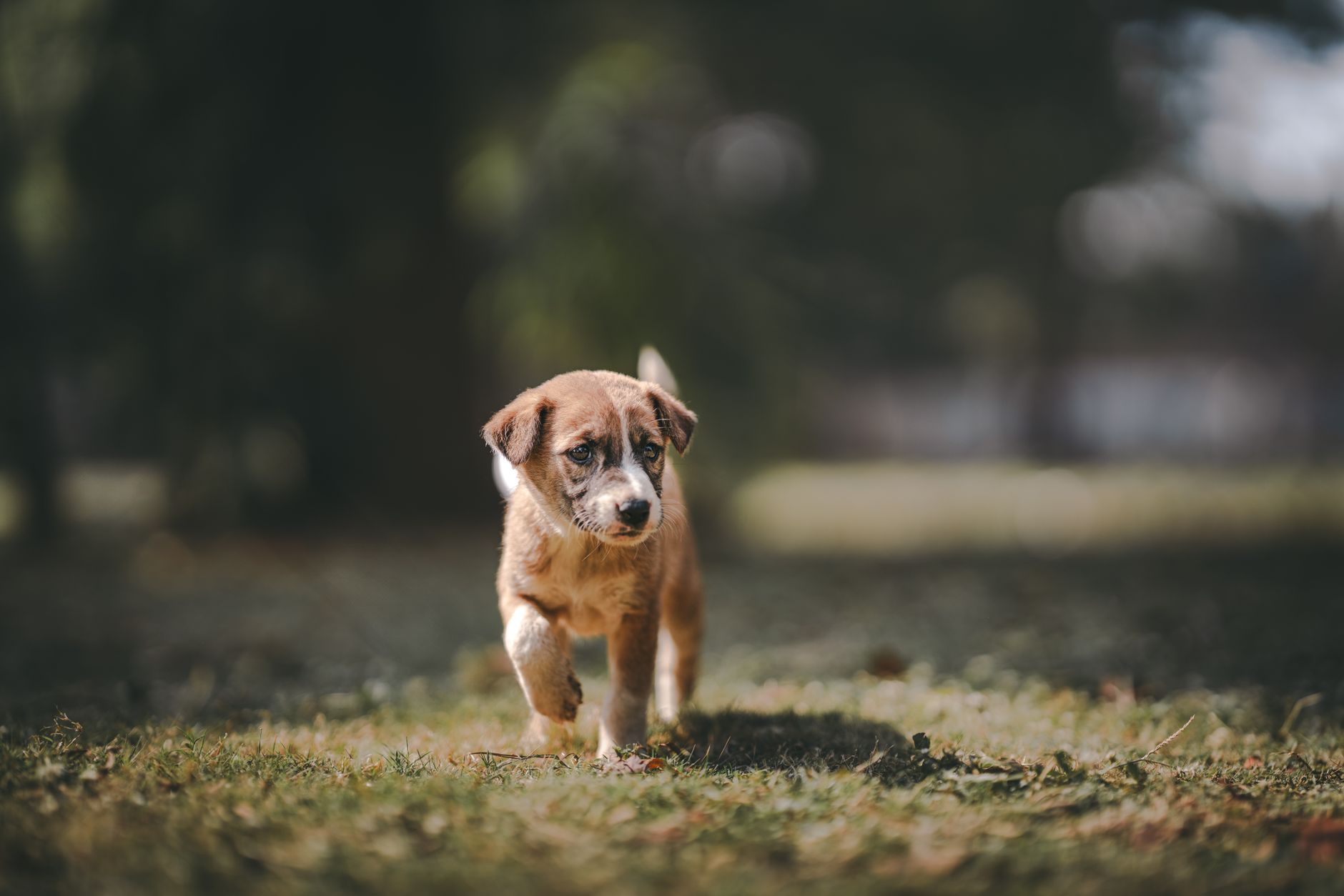
Adorable puppy walking outdoors on grass
Photo by Krishna Photography on Pexels.com

Here is a gentle plan you can repeat and adapt. Keep each outing short, and skip anything your puppy is not ready for yet. You will find more puppy guidance on our Puppyhood page.

  • Monday: Meet a friendly neighbor — a calm hello and a treat.
  • Tuesday: Sounds at home — run the vacuum in another room during a chew.
  • Wednesday: A new surface — grass, gravel, a wooden deck, or a ramp.
  • Thursday: A calm dog — a short parallel walk with a friendly adult dog.
  • Friday: A new place — sit on a bench and watch the world go by.
  • Saturday: Gentle handling — touch ears, paws, and teeth, then reward.

Ready to Help Your Puppy Feel at Home in the World?

Socialization is a gift you give your puppy a little at a time — and it pays off for life. Start small, stay patient, and let your puppy set the pace.

Grab your free puppy checklist here: Free Puppy Checklist

Visit the RockynusPrints shop on Etsy for puppy-themed prints and gifts.

Read the book “Calm When You’re Gone” by Rockynus on Amazon (paperback).

Puppy Biting: How to Teach a Gentle Mouth (Without Scolding)

If your puppy’s tiny teeth seem to find your hands, sleeves, and ankles every single day, take a breath — you are not doing anything wrong, and your puppy is not being bad. Biting and mouthing are completely normal puppy behavior. Puppies explore the world with their mouths, they play with their littermates by biting, and teething makes their gums ache. The goal is not to stop your puppy from ever using their mouth. It is to teach them to be gentle — and to chew the right things instead of you.

Why Puppies Bite

Puppies bite for a few simple reasons. First, play: biting is how puppies play with each other, so when your puppy grabs your hand, they are inviting you to play the only way they know how. Second, teething: between about 12 and 28 weeks, adult teeth push through sore gums, and chewing brings relief. Third, exploration: puppies learn about everything — including you — with their mouths. And fourth, being overtired or overstimulated: a puppy who has been awake too long or had too much excitement often gets mouthier, which is why the worst biting usually shows up in the evening.

The 4-Step Gentle Mouth Method

This is the method that actually works, and it takes no scolding at all.

Step 1 — Freeze. The moment teeth touch skin, stop moving. Go still and quiet, and tuck your hands away. Movement is what makes hands fun to chase, so taking the fun away is the first lesson.

Step 2 — Pause. Wait a beat for your puppy to disengage on their own. Even one second of calm is a win worth noticing.

Step 3 — Redirect. Offer a toy or a chew instead — a rope toy, a rubber chew, a frozen carrot. Put the right thing in their mouth before they go looking for the wrong one.

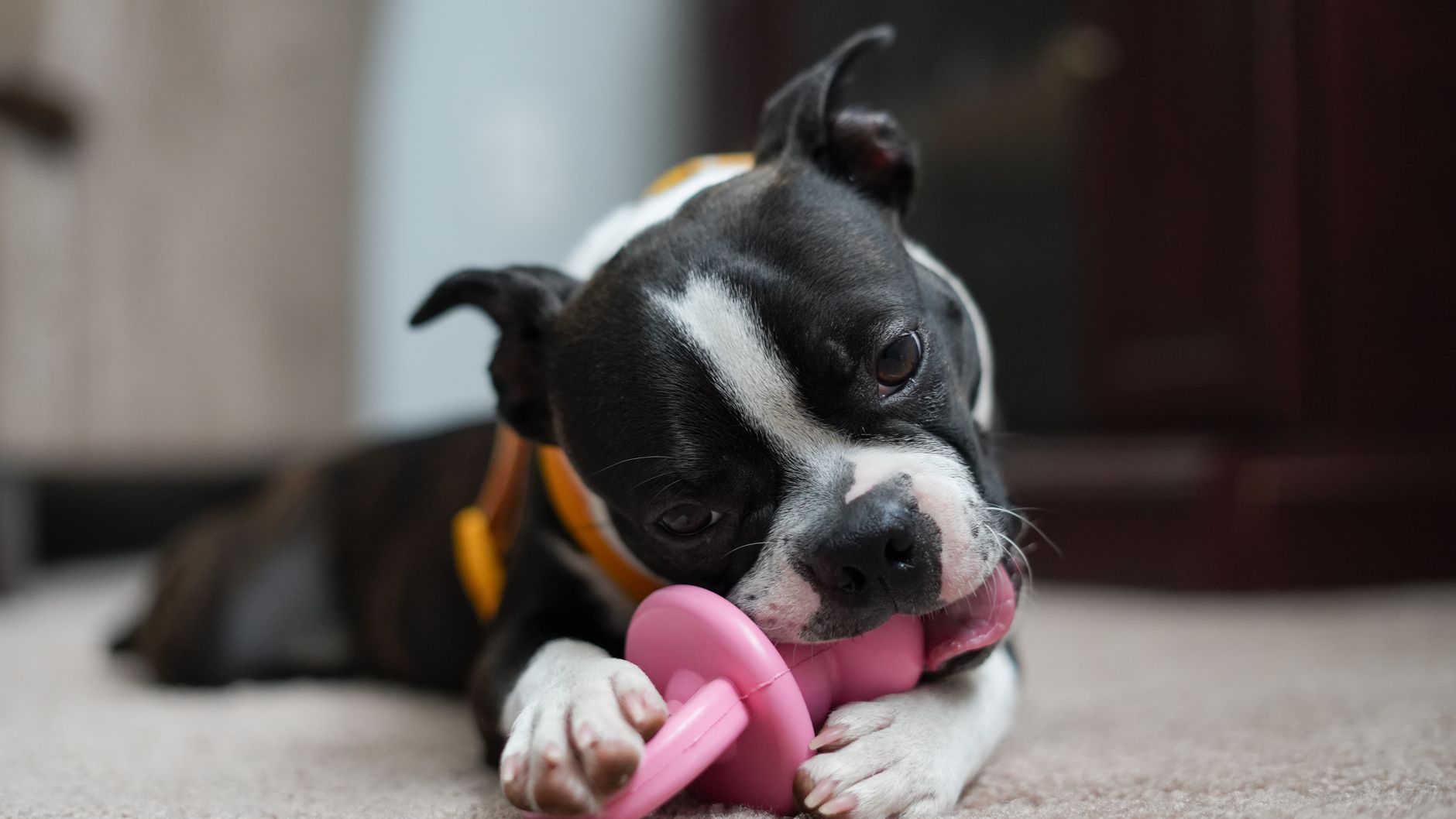
Boston terrier puppy chewing a pink toy indoors
Photo by Sean Brannon on Pexels.com

Step 4 — Reward. The instant your puppy takes the toy, praise them warmly and keep the game going with the toy. You are teaching them a simple rule: toys get the fun, hands end it.

Repeat this calmly every time, and be patient with yourself too. Puppies do not learn in a day, and consistency matters far more than perfection. If you want a refresher on why rewards beat corrections, read our guide to Positive Reinforcement.

Handling the Hard Moments

Some days the biting will feel relentless, and that is usually a sign your puppy needs something else. If the biting is hard or frantic, calmly end the game for about 30 seconds — step away, fold your arms, and give your puppy a moment to settle. Never hold your puppy’s mouth shut, pin them down, or yell at them. Those reactions scare a puppy and can make biting worse, not better. Watch for overtired signs, too: wild zoomies, an inability to settle, and harder biting than usual all mean it is nap time, not play time. Puppies need 18 to 20 hours of sleep a day, and a rested puppy bites far less. Keep a toy in your pocket or in every room, so a redirect is always within reach.

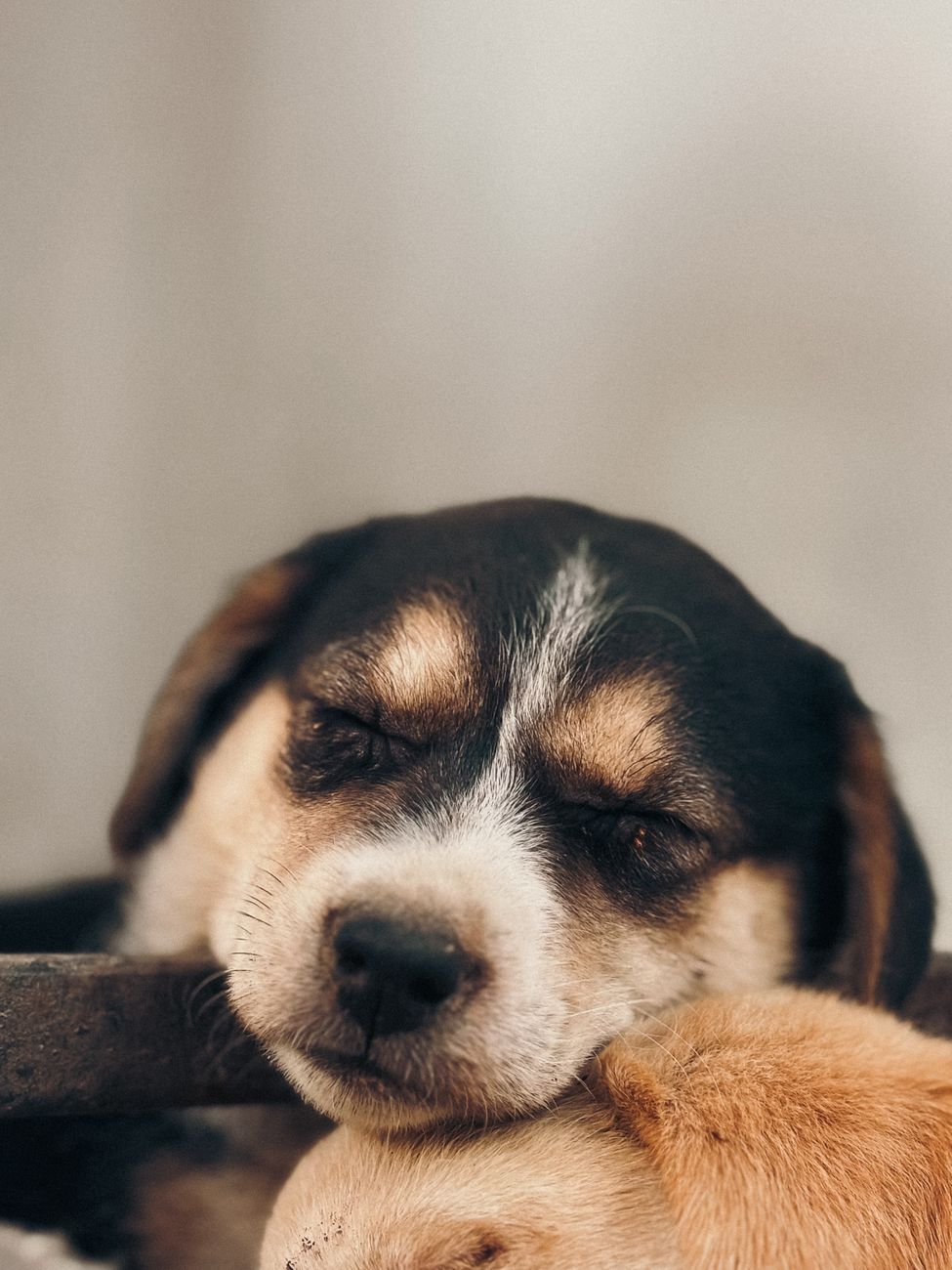
Adorable beagle puppy resting peacefully indoors
Photo by Ryan Scot Mendez on Pexels.com

5 Mistakes That Make Biting Worse

  • Playing tug-of-war with your bare hands, then wondering why hands are a target.
  • Waving your hands around to pull them away, which turns your hand into a toy.
  • Scolding or yelling, which adds excitement or fear to an already worked-up puppy.
  • Letting one person play rough while another says no. Everyone in the family needs the same rules.
  • Skipping naps and pushing through the evening crazies instead of enforcing rest.

For more on swapping a bad habit for a good one instead of just saying no, see our Training hub page.

When to Ask for Extra Help

Most puppy biting fades with age and steady redirecting, but get help sooner if the biting regularly breaks skin, if your puppy growls with a stiff body while biting, or if a puppy older than six months is still biting hard. A certified force-free trainer or your veterinarian can check whether pain, fear, or frustration is part of the picture.

Quick Answers

How long does puppy biting last? Most puppies improve a lot by five or six months, once teething is done and they have practiced gentler habits.

Should I yelp when my puppy bites? A short, calm “ouch” and then withdrawing your attention works for some puppies, but the withdrawal matters more than the sound.

Can I just give my puppy a chew every time? Yes — redirecting to a legal chew is the whole game. The more often the right choice pays off, the faster it becomes the habit.

Your Next Step

Start today with one change: keep a toy within reach and redirect every single bite. Your puppy is not giving you a hard time — they are having a hard time learning, and your calm consistency is what teaches them.

Grab our free First 30 Days Puppy Checklist here: https://rockynus.systeme.io/04b9540e

Find more printable training kits in our RockynusPrints shop on Etsy: https://rockynusprints.etsy.com

And if alone-time is the struggle, read “Calm When You’re Gone” by Rockynus on Amazon (paperback): https://www.amazon.com/dp/B0HR9W6L2S
Loose-Leash Walking: Teach Your Dog to Walk Beside You Without Pulling

Walks should be the best part of your dog’s day – for both of you. But when every walk turns into a tug-of-war, with your dog dragging you toward every smell, squirrel, and stranger, it is hard to enjoy being outside together. Your arm aches, your dog is frustrated, and neither of you is really having fun.

The good news is that loose-leash walking is a skill, not a personality trait. Your dog is not being stubborn. Pulling simply works for them: pull, and they get to the interesting thing faster. With a few short, consistent practice sessions, most dogs can learn to walk on a loose leash.

Why Dogs Pull on the Leash

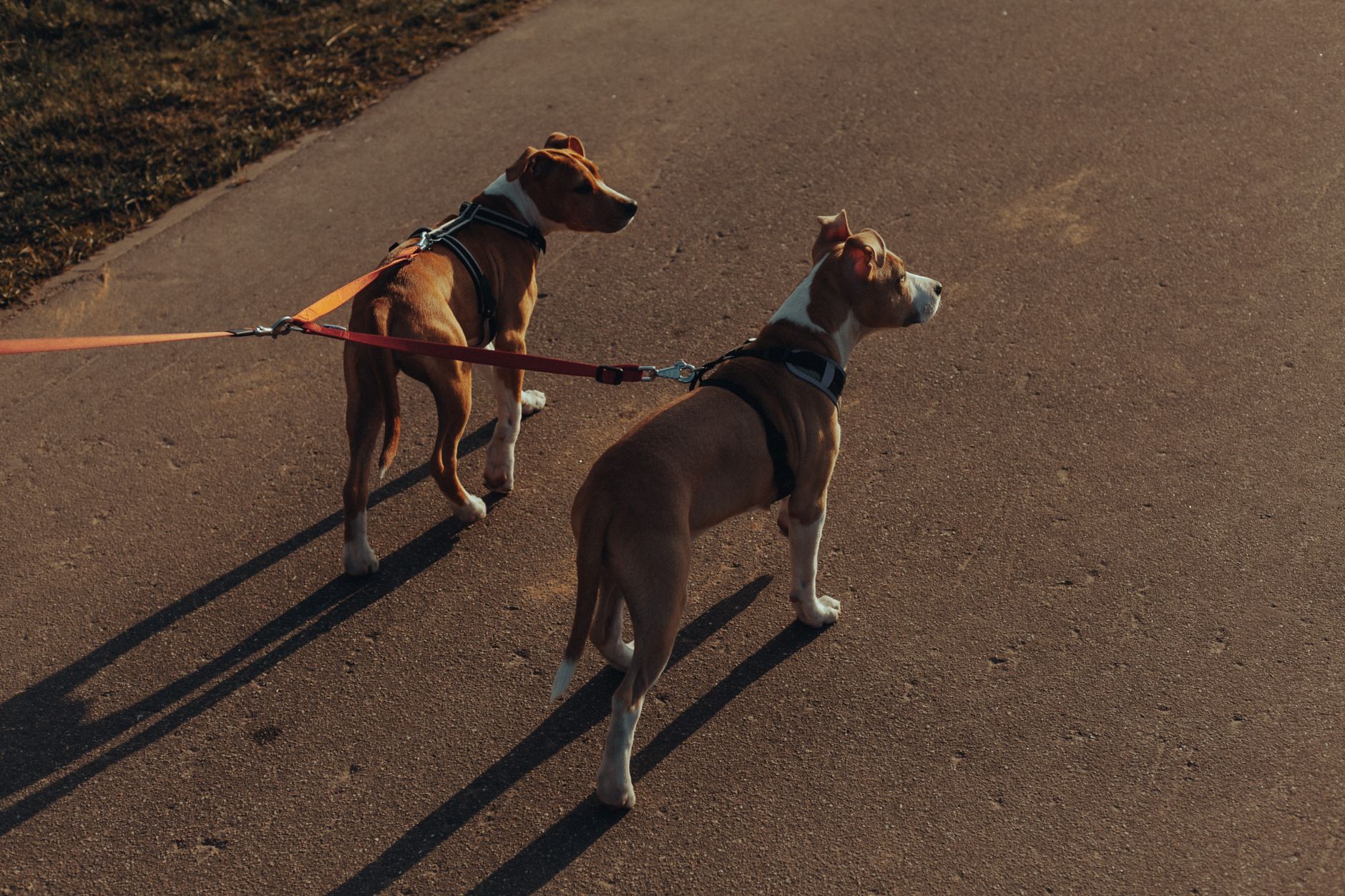
Two dogs on leashes standing on an asphalt path
Photo by Vova Kras on Pexels.com

Most dogs pull for a few simple reasons:

  • Pulling pays off. Every time your dog pulls and you follow, they learn that pulling gets them where they want to go.
  • The world is exciting. New smells, other dogs, and people are all more interesting than walking calmly beside you.
  • They have not been taught otherwise. Walking nicely on a leash is not natural for a dog. It is a skill to be taught, step by step, just like sit or stay.

That is encouraging news. Your dog is not misbehaving on purpose. They just need clear, kind guidance – and a reason to stay close to you.

What You Will Need Before You Start

You do not need fancy equipment. Keep it simple:

  • A comfortable, well-fitting harness or flat collar
  • A standard leash, about 4 to 6 feet long (skip retractable leashes for training)
  • Small, soft treats your dog loves, cut into tiny pieces
  • A treat pouch or a pocket you can reach easily
  • A quiet spot with few distractions, like your yard or a calm street

Plan for short sessions of just 5 to 10 minutes. A few good minutes beat a long, frustrating walk every time.

The 5-Step Loose-Leash Method

Work through these steps in order, and only move on when the step before feels easy for your dog.

Step 1: Reward the spot. In your quiet practice spot, stand still and wait for your dog to look at you or move toward your side. The moment they do, say “Yes!” and give a treat right by your leg, where you want them to walk.

Step 2: Take a few steps together. Take three or four slow steps forward. If the leash stays loose, praise your dog and drop a treat at your side. If they surge ahead, stop and wait. Even a few good steps count as a win.

Step 3: Be a tree when the leash tightens. The moment the leash goes tight, stop walking and stand still. Do not yank the leash or drag your dog back. When they turn toward you or the leash loosens, say “Yes!” and move forward again. Your dog learns a simple rule: a tight leash stops the fun, and a loose leash keeps the walk going.

Step 4: Change direction. If your dog keeps charging ahead, calmly turn and walk the other way. When they catch up and the leash loosens, reward them at your side. Direction changes keep your dog paying attention to you instead of pulling toward whatever is ahead.

Step 5: Add a cue and build up slowly. Once your dog walks nicely for short stretches, add a cue like “Let’s go” as you start moving. Then gradually practice in slightly busier places, starting at a good distance from distractions.

Throughout, use positive reinforcement: reward the behavior you want, instead of punishing the behavior you do not. Treats, praise, and the chance to keep walking are all rewards your dog understands.

Common Mistakes That Slow Progress

  • Practicing for too long. Long sessions tire out both of you. Quit while you are ahead, after a few good steps.
  • Only training on exciting walks. If every session is a walk to the dog park, your dog is too excited to learn. Practice in boring places first.
  • Moving forward on a tight leash. If you keep walking while your dog pulls, pulling keeps working. Stop, wait for slack, then move.

Frequently Asked Questions

How long does loose-leash walking take to learn?
Most dogs show real improvement in two to four weeks of short, daily practice. It depends on your dog’s age, energy, and how much pulling has been rewarded in the past.

Can puppies learn loose-leash walking?
Yes, and the earlier the better. Keep sessions short and fun: a puppy will not walk perfectly, but they can learn that staying close to you pays off.

Helpful Next Reads

Loose-leash walking works best alongside the basics. Explore our dog training hub for the foundations, and refresh your approach with our guide to positive reinforcement.

Remember: a loose leash is not about control, it is about teamwork. Reward your dog for walking beside you, and walks become calmer, safer, and more fun for both of you. Start small, stay patient, and celebrate the little wins.


Want an easier start to puppy life? Grab our free puppy checklist here: https://rockynus.systeme.io/04b9540e

Love dogs as much as we do? Visit our RockynusPrints shop on Etsy: https://rockynusprints.etsy.com

Going out without the guilt? Check out the book Calm When You’re Gone by Rockynus on Amazon (paperback): https://www.amazon.com/dp/B0HR9W6L2S
Crate Training Basics: Help Your Puppy Love Their Cozy Den

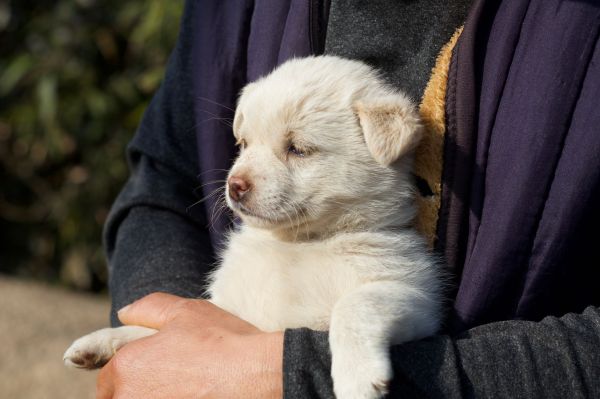
Bringing a new puppy home is pure joy — and a little bit of chaos. Between the chewed shoes and the 2 a.m. potty trips, you may be wondering if there is a calmer place for your puppy (and yourself) to land. There is: crate training.

A crate is not a cage, and it is never a punishment. Done the right way, it becomes your puppy’s own cozy den — a safe, quiet spot to rest and recharge. Here is how to introduce it gently, so your puppy learns to love it.

Why Crate Training Works

Dogs are den animals by nature: a den is a small, safe place to sleep — and your puppy still carries that instinct. A crate taps right into it.

A crate also makes everyday life easier: it keeps your puppy safe when you cannot watch them, and it helps with potty training, because most puppies avoid soiling their sleeping spot.

Most importantly, a crate gives your puppy a healthy way to learn alone time. A puppy who can relax in their den is building confidence — one quiet nap at a time. Find more ideas on our Training page.

Picking the Right Crate

Start with size: your puppy should be able to stand up, turn around, and stretch out comfortably — but not have so much room that one end becomes a bathroom. A divider panel keeps the space snug while your puppy grows.

  • Wire crates: great airflow and visibility, and most come with a divider panel.
  • Plastic crates: cozier and more den-like, and handy for travel.
  • Location matters: set the crate where your family spends time, so your puppy never feels banished.

Make it inviting: a soft blanket or crate mat, a safe chew toy, and a few treats tucked inside.

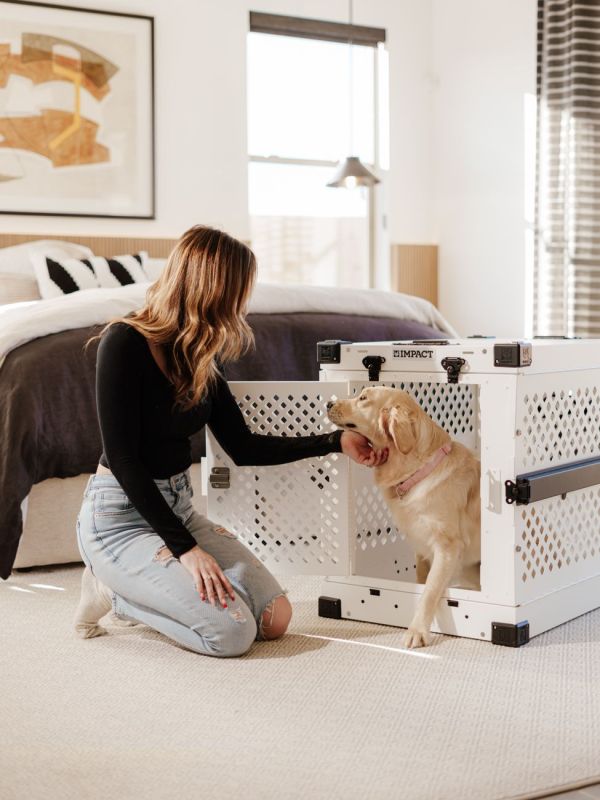
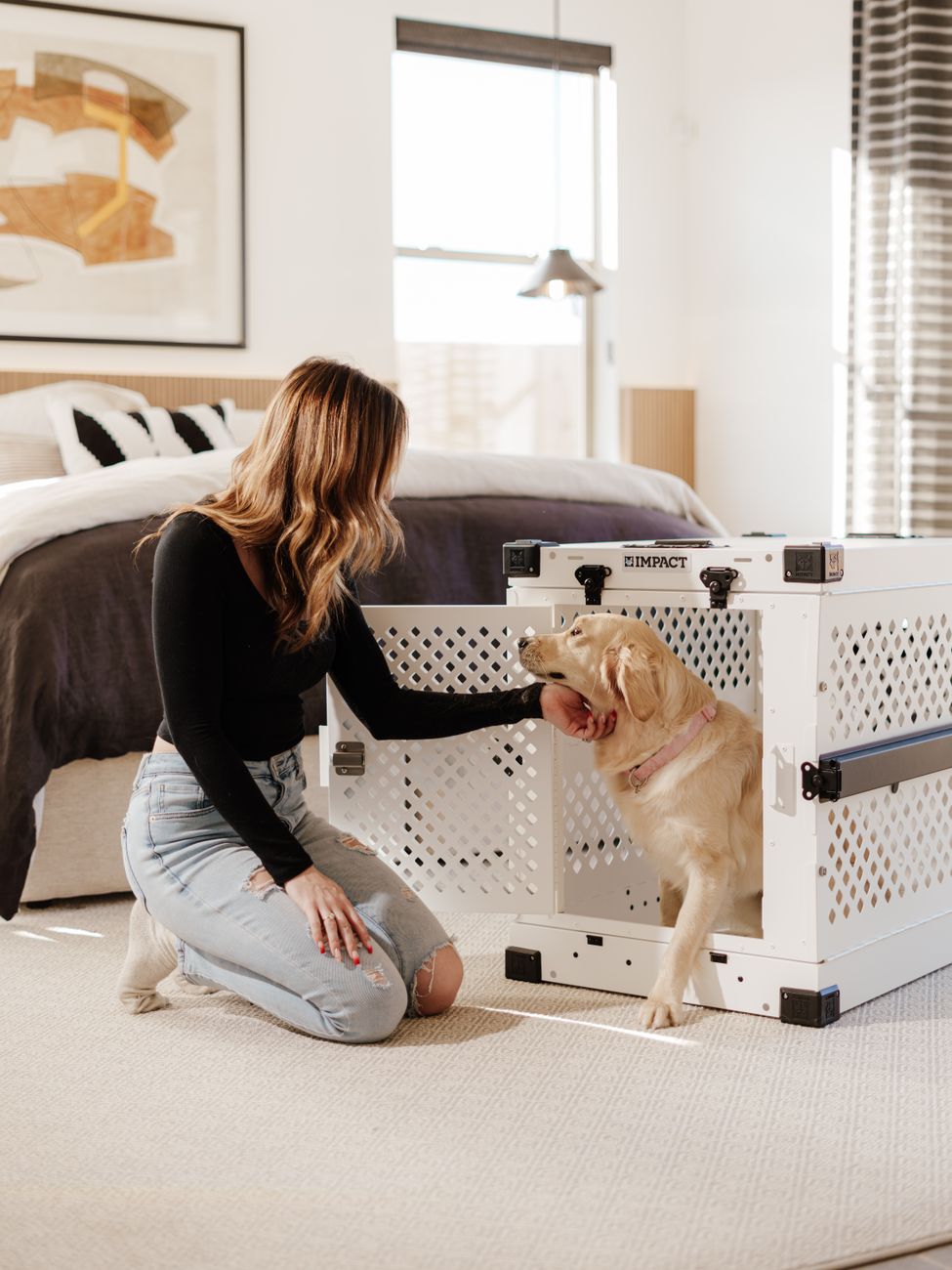
A puppy resting calmly inside its crate
Photo by Impact Dog Crates on Pexels.com

Crate Training in 5 Gentle Steps

Go slowly: the goal is a puppy who walks into the crate happily.

  1. Let your puppy explore. Set it up with the door open and let your puppy sniff around. Toss a few treats just inside the doorway.
  2. Make it rewarding. Feed meals inside the crate and praise your puppy when they settle there — positive reinforcement in action: good things happen in the crate, so the crate becomes a good place.
  3. Close the door for a few seconds. While your puppy is chewing a treat, gently close the door, then open it again before they fuss. Repeat, adding a few seconds each time.
  4. Build up alone time. Step out of the room for a minute, then two, then five, always coming back before your puppy gets upset. Keep hellos and goodbyes low-key.
  5. Keep a routine. Crate time works best on a schedule — after play, meals, and potty breaks. A predictable puppy routine helps your puppy know when playtime comes next.

How Long Is Too Long?

A good rule of thumb: one hour per month of age, plus one — so a three-month-old manages about four hours at most. Overnight, most puppies sleep longer once settled.

  • 8–10 weeks: 30–60 minutes at a time during the day.
  • 3–4 months: up to 2–3 hours.
  • 5–6 months: up to 4 hours.

Never leave a puppy crated all day while you are at work — that is too long for any young dog. Arrange a midday potty break if you are away for long stretches.

Common Crate Training Mistakes to Avoid

It is easy to make the crate feel like a punishment by accident:

  • Using the crate for time-outs. The crate should never be where your puppy goes when they are “bad.”
  • Rushing it. An hour behind a closed door on day one is a recipe for panic.
  • Letting your puppy out the second they cry. Wait for a quiet pause, even a brief one, so you reward calm — not noise.
  • Skipping potty breaks. A puppy who has to go will never learn to love their den.

If things go sideways, just go back a step. Slow is fast with puppies.

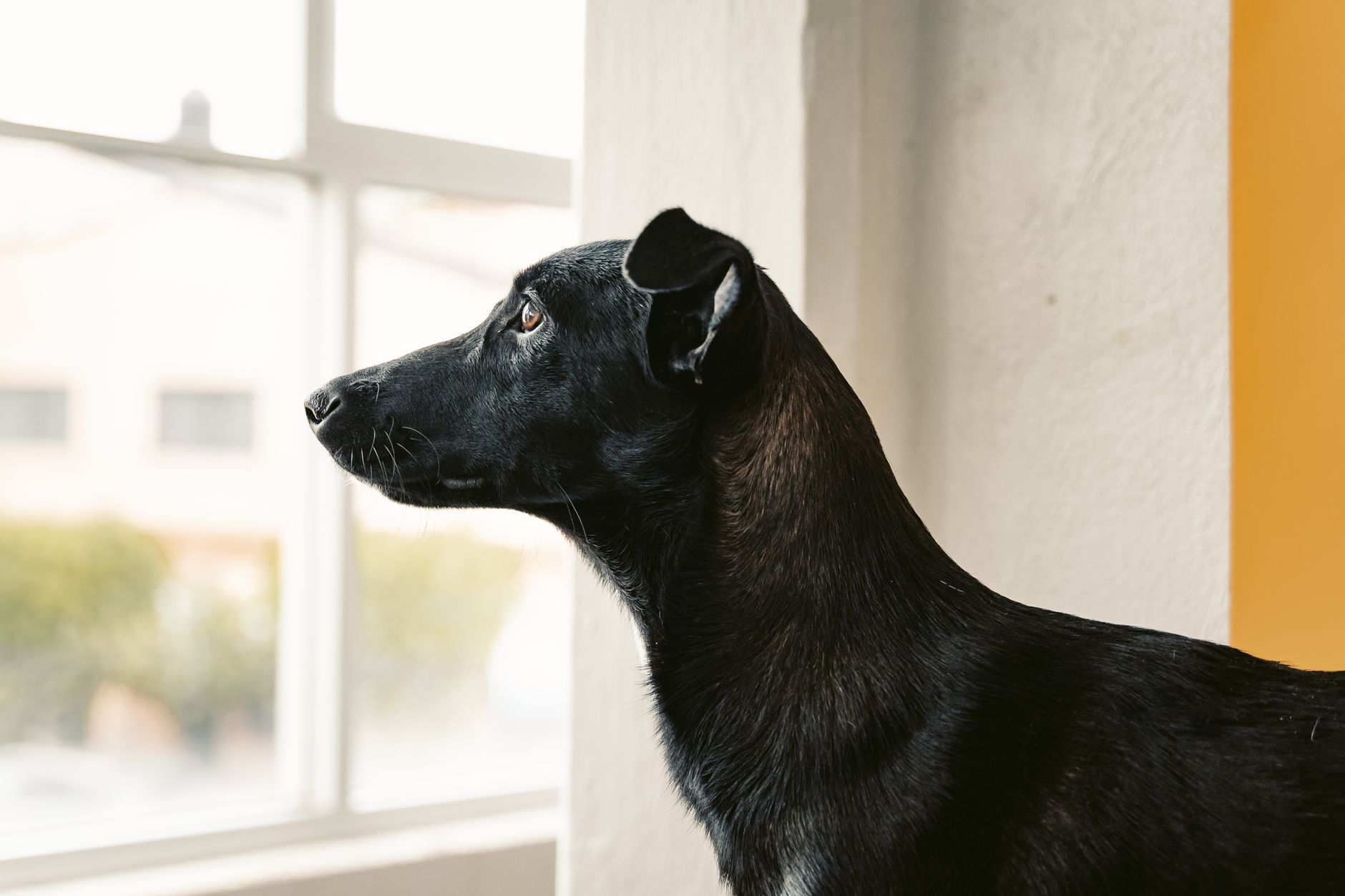
A dog waiting anxiously by the front door
A crate gives your puppy a safe place to settle, instead of waiting anxiously by the door. Photo by Miguel González on Pexels.com

Quick Answers

Will my puppy cry in the crate at first?

A little fussing is normal the first few nights. Keep the crate near your bed, stay calm, and wait for a quiet moment before letting them out.

Should I put food and water in the crate?

Meals in the crate are a great idea — they build happy associations. A small water bowl is fine for longer stretches, but skip it at night for young puppies.

Can I crate train an older dog or a rescue dog?

Yes! Older and rescue dogs can learn to love a crate too — just go slowly, keep sessions short and positive, and let them walk in on their own.

Ready to Set Up Your Puppy for Success?

Crate training is one of the kindest gifts you can give your puppy: a safe little den of their own. Start today — open the door, toss in a treat, and let your puppy discover it.

Blog at WordPress.com.

Up ↑