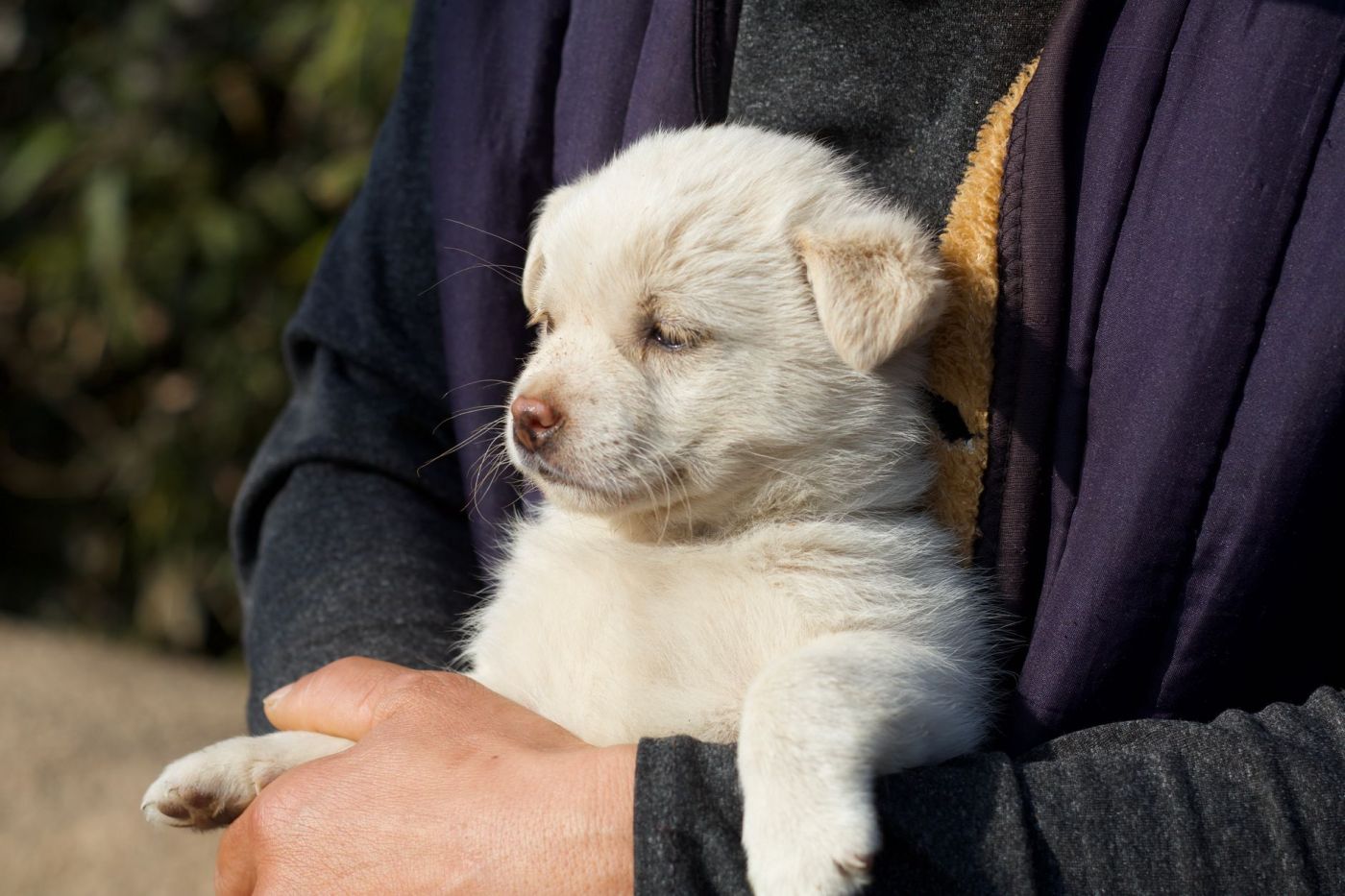
A well-socialized puppy grows into a confident, relaxed adult dog — one who can meet new people, greet other dogs calmly, and handle everyday sounds and places without panic. Socialization is not about meeting every dog in the park. It is about small, positive experiences that help the world feel safe and familiar.
The good news: you do not need to do it all at once. A few minutes a day, done well, will do far more than one overwhelming afternoon. Here is how to introduce your puppy to people, dogs, sounds, and places safely, and how to read their body language.
What Socialization Really Means (And What It Doesn’t)
Socialization means helping your puppy get used to the things they will meet in real life, in a safe, enjoyable way. Puppies learn fastest between about 3 and 16 weeks of age, so this is the best time to start.
Good socialization includes:
- Meeting different kinds of people — children, older people, and people in hats or uniforms
- Spending calm time near friendly, healthy dogs
- Hearing everyday sounds like the vacuum, doorbell, traffic, and thunder
- Walking on different surfaces and visiting new places, like a quiet café patio
- Being gently handled — ears, paws, belly, and teeth — so vet visits and grooming feel normal
What socialization is not: forcing your puppy into scary situations, letting strangers grab them, or letting every dog rush up to say hello. If your puppy looks worried, the experience is too big, too close, or too long. Make it smaller, and try again another day.
Start Slow and Keep It Short
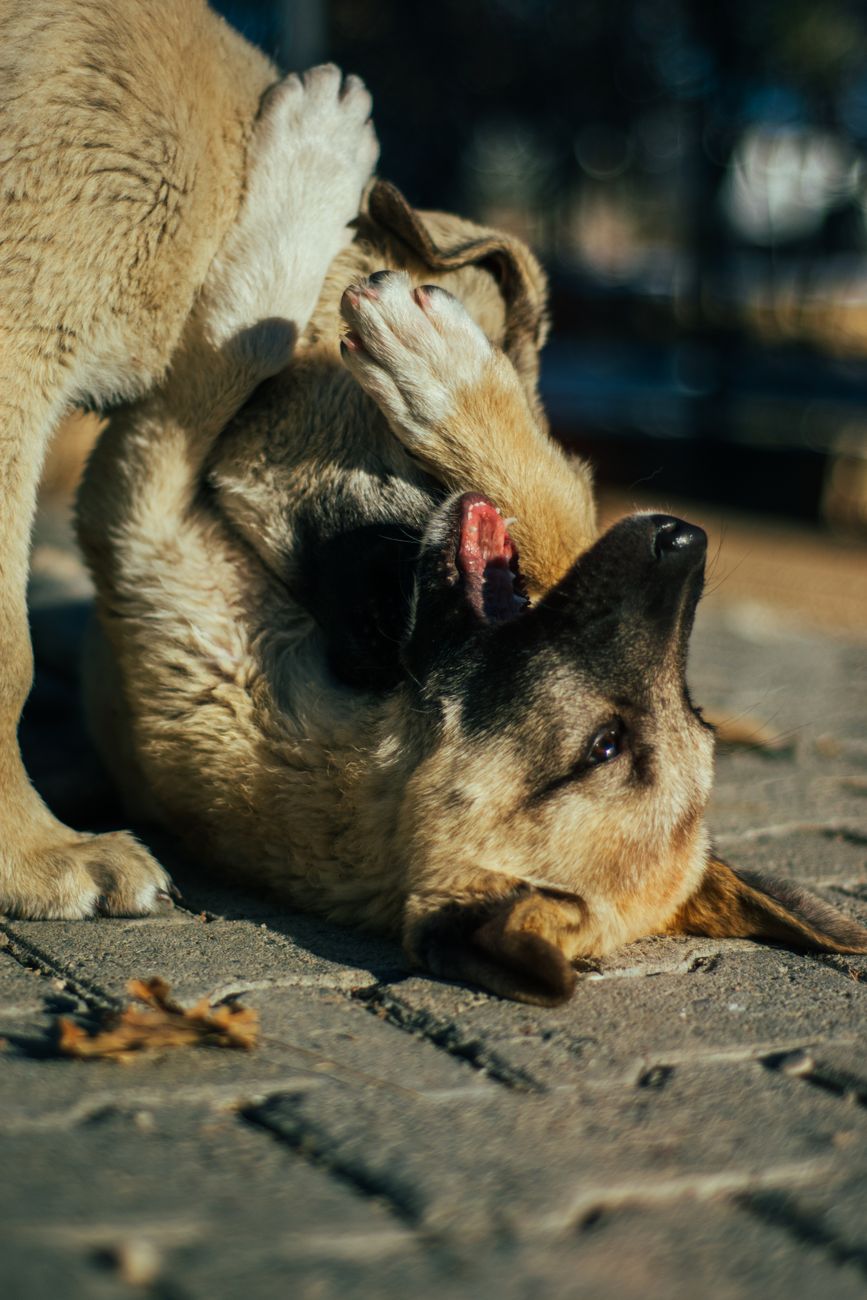
Short, happy sessions are the secret. Aim for five to ten minutes at a time, once or twice a day, and always end while your puppy is still enjoying themselves. Pair every new experience with a tasty treat or praise, so new things start to mean good things. This is positive reinforcement at its simplest: reward the calm, curious behavior you want to see again.
- One new thing at a time. A new person, a new sound, or a new place — not all three at once.
- Let your puppy choose. Let them approach, sniff, and walk away. Never drag them toward something scary.
- End on a high note. Finish with a treat or a game — and a nap. Puppies need lots of sleep to process new experiences.
Safe Introductions to People, Dogs, Sounds, and Places
People: Ask visitors to crouch down, speak softly, and let your puppy come to them. A treat offered with a flat, open hand works well. If your puppy hides behind your legs, let them watch from a safe distance until they feel brave enough to say hello.
Dogs: Choose calm, friendly, vaccinated adult dogs for first meetings. Start with a parallel walk — both dogs walking in the same direction, a few feet apart — before letting them sniff. Keep greetings short and on a loose leash, and separate them happily before excitement turns into jumping or barking.
Sounds and places: Start far away and at a low volume. Play recordings of thunder or fireworks quietly while your puppy eats dinner, and turn the volume up a little over several days. Visit new places at quiet times, and reward calm behavior. For more ideas, see our Training page.
Reading Your Puppy’s Body Language
Your puppy is always telling you how they feel. Reading those signals is the key socialization skill.
- Relaxed and happy: loose, wiggly body, soft eyes, mouth slightly open, tail wagging low and wide. Keep going — this is exactly right.
- A little unsure: yawning, lip licking, turning their head away, or ears back. Give them space and make things easier.
- Overwhelmed: tucked tail, cowering, shaking, barking, or trying to run away. Calmly move them away and let them recover. This is not a failure — it is information.
What to Do When Your Puppy Is Scared
Every puppy gets scared sometimes. Stay calm, speak softly, and increase the distance from whatever is worrying them. Let your puppy watch from where they feel safe, and reward them for looking or stepping closer. Never scold a frightened puppy or force them closer — fear needs patience, not pressure.
A Simple Weekly Socialization Plan
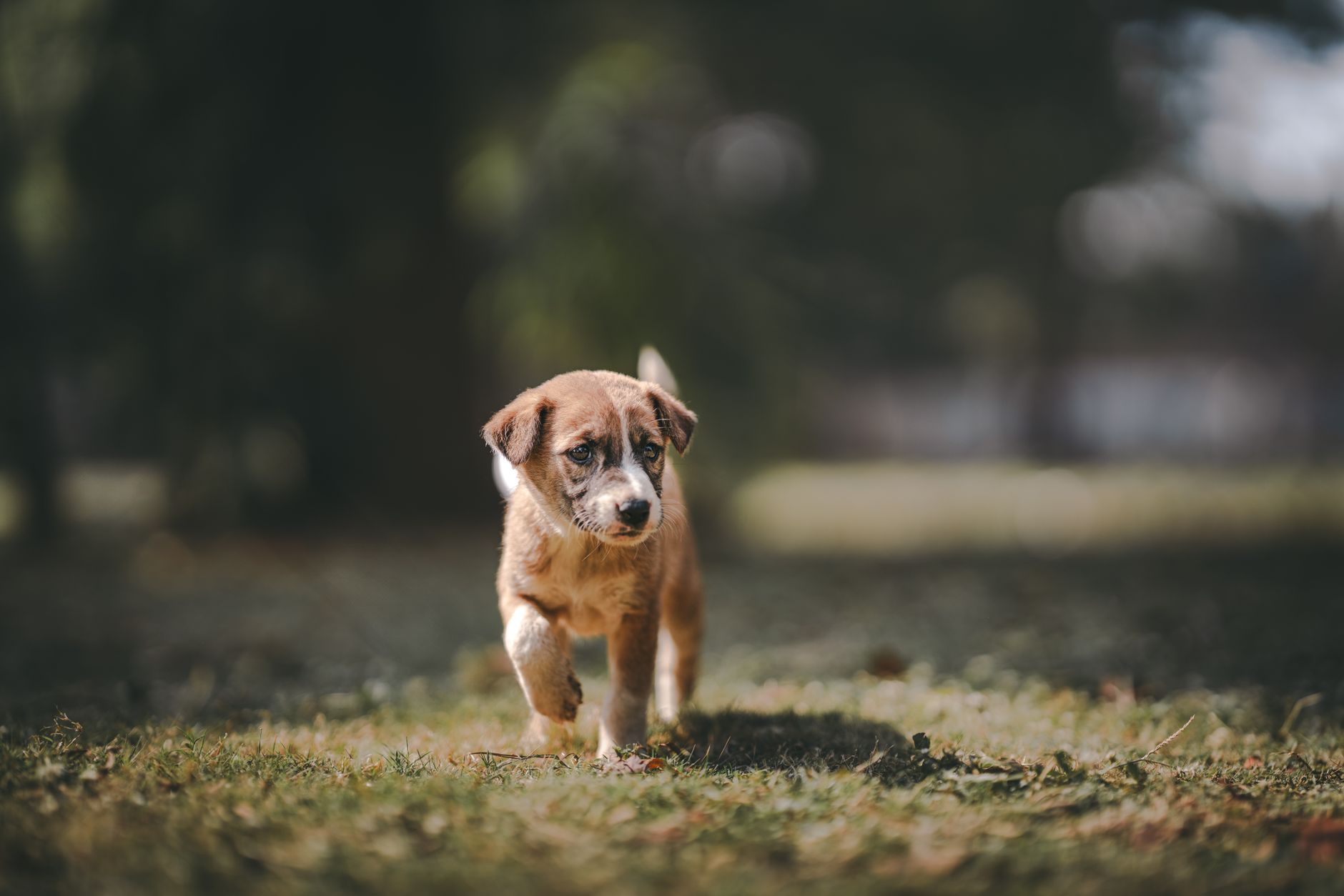
Here is a gentle plan you can repeat and adapt. Keep each outing short, and skip anything your puppy is not ready for yet. You will find more puppy guidance on our Puppyhood page.
- Monday: Meet a friendly neighbor — a calm hello and a treat.
- Tuesday: Sounds at home — run the vacuum in another room during a chew.
- Wednesday: A new surface — grass, gravel, a wooden deck, or a ramp.
- Thursday: A calm dog — a short parallel walk with a friendly adult dog.
- Friday: A new place — sit on a bench and watch the world go by.
- Saturday: Gentle handling — touch ears, paws, and teeth, then reward.
Ready to Help Your Puppy Feel at Home in the World?
Socialization is a gift you give your puppy a little at a time — and it pays off for life. Start small, stay patient, and let your puppy set the pace.
Grab your free puppy checklist here: Free Puppy Checklist
Visit the RockynusPrints shop on Etsy for puppy-themed prints and gifts.
Read the book “Calm When You’re Gone” by Rockynus on Amazon (paperback).


Leave a Reply