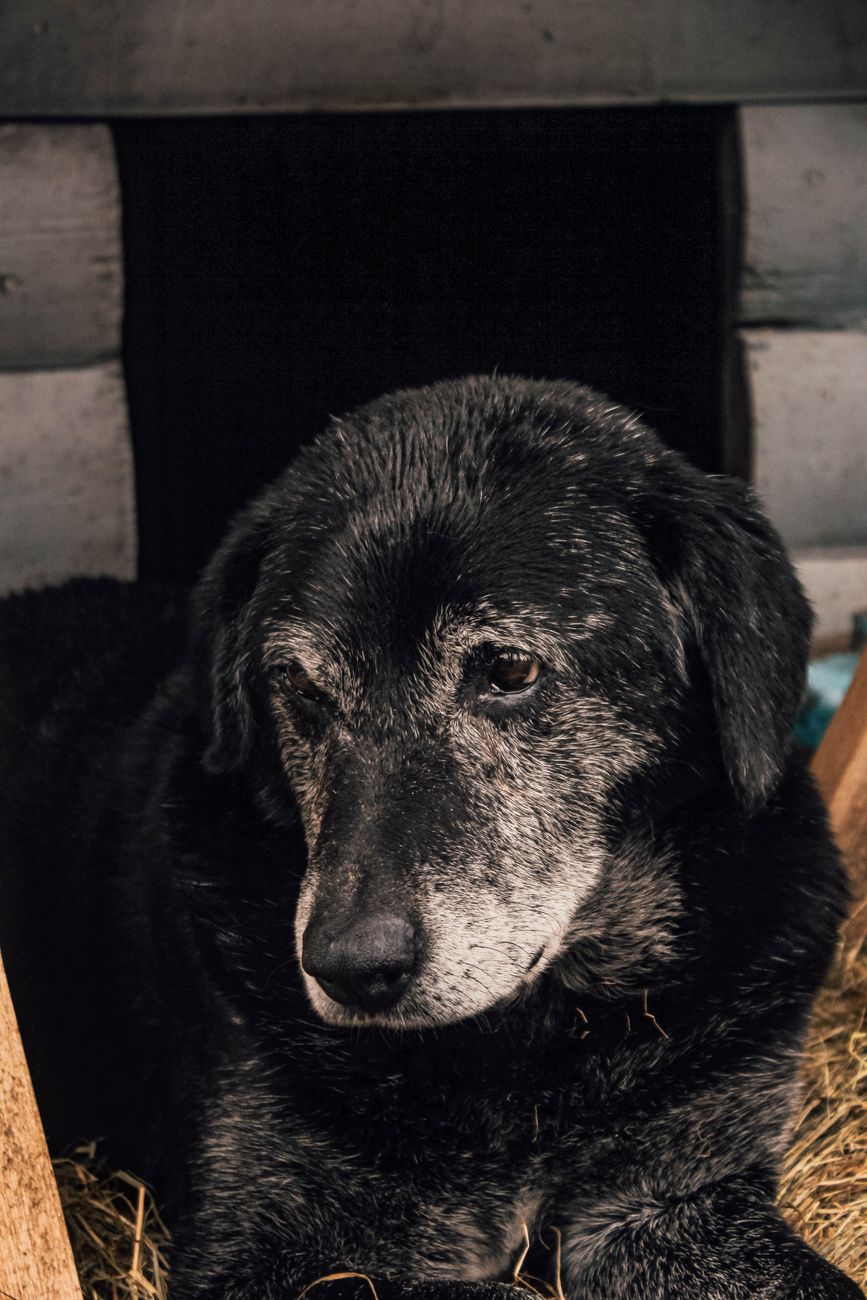
One morning you notice it: a little gray around the muzzle, a slower climb up the stairs, a longer nap in the sunny spot on the floor. Your dog is not broken. They are simply entering a new stage of life, and the good news is that a few small changes at home can make their golden years genuinely comfortable.
Senior dogs ask for less than we think. They want a soft place to sleep, a routine they can count on, and a person who notices when something feels off. Here is how to give them exactly that.
When Does a Dog Become a Senior?
There is no single birthday that makes a dog senior, because size matters more than the calendar. Small breeds often reach their senior years around 10 to 12, medium dogs around 8 to 10, and large and giant breeds as early as 6 or 7.
Watch for the quiet signs rather than the number. A graying muzzle, more sleep during the day, stiffness after a nap, less interest in long games of fetch, or a dog who startles more easily can all mean their hearing or vision is changing. None of these are emergencies on their own, but they are worth mentioning at the next vet visit.
Make Home Comfortable
Comfort is the biggest gift you can give an older dog, and it starts with where they sleep. An orthopedic bed with good support eases achy joints far better than a thin blanket on the floor. Put it in a warm, draft-free spot where they already like to rest, and they will use it on their own.
A few other small fixes help a lot. Rugs or runners on slick floors give unsure paws something to grip. A ramp or a sturdy step beside the bed or the car saves a painful jump. Keep food and water bowls easy to reach, and add a night light near the water bowl and the door for a dog whose eyesight is fading.
Keep Them Moving, Gently
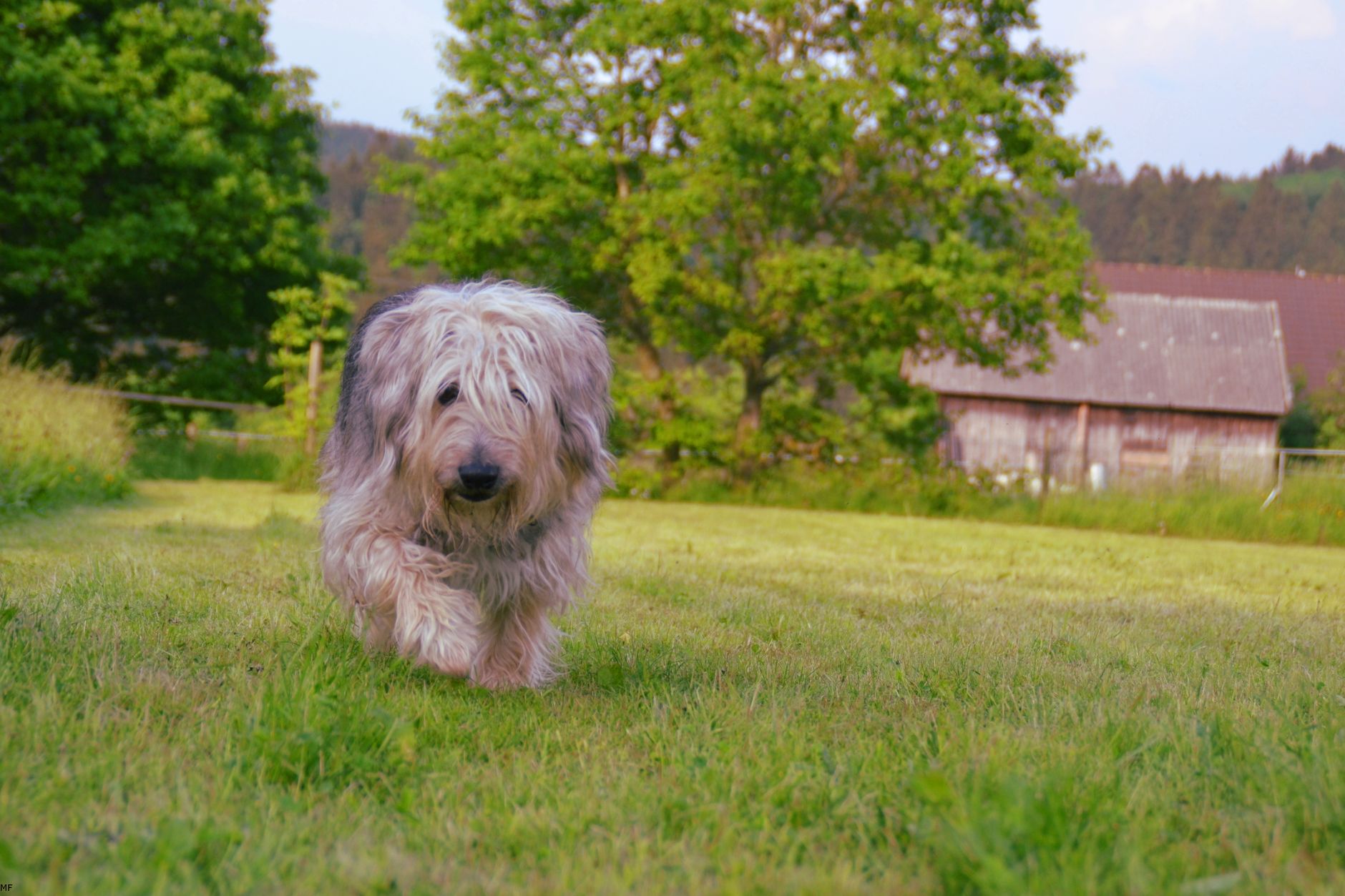
Senior dogs still need exercise, just in a gentler form. Trade one long walk for two or three shorter ones, and let them sniff as much as they like. Sniffing is a workout for the brain, and it tires a dog out without stressing stiff joints.
Swimming is wonderful for many older dogs if your vet approves, and short play sessions with a favorite toy keep spirits up. Watch for limping, heavy panting, or a dog who suddenly wants to stop. Those are signs to head home and rest, not push through.
Food, Weight, and Vet Visits
Extra weight is hard on a senior dog. Every extra pound adds pressure to joints that are already working harder than they used to. Ask your vet whether a senior diet makes sense and how much your dog should actually be eating now, since the right amount often changes with age.
Vet visits matter more than ever in the senior years. Twice-yearly checkups catch problems like dental pain, kidney trouble, or arthritis while they are still easy to manage. Staying current on preventive care is part of that too, and it is worth reading up on why vaccination is essential for your dog’s health so you can ask your vet informed questions at the next visit.
Training Still Matters, Just Go Softer
Old dogs can absolutely learn new things, and they often enjoy the attention even more than they did as puppies. Keep sessions short, five minutes or so, and reward generously. The same positive reinforcement principles that work for puppies work beautifully for seniors, because a treat and a kind word never get old.
Be patient with accidents, too. A house-trained dog who starts having accidents is usually dealing with a medical issue or a bladder that cannot hold it as long, not being stubborn. More frequent potty breaks and a little grace go much further than frustration.
Senior Dog Care FAQ
- How old is a senior dog? It depends on size: about 10 to 12 for small breeds, 8 to 10 for medium dogs, and 6 to 7 for large and giant breeds.
- Do senior dogs still need walks? Yes, just shorter and gentler ones, with plenty of sniffing time.
- When should I call the vet? Call sooner rather than later for sudden behavior changes, loss of appetite, trouble standing, or a dog who seems in pain.
Your dog gave you their best years. A softer bed, a slower walk, and a little extra patience are a small way to return the favor.
Want a simple place to start with your dog? Grab our free puppy checklist here: https://rockynus.systeme.io/04b9540e
Find more training printables in the RockynusPrints shop on Etsy: https://rockynusprints.etsy.com
And if your dog struggles when you leave the house, check out “Calm When You’re Gone” by Rockynus on Amazon: https://www.amazon.com/dp/B0HR9W6L2S


Leave a Reply