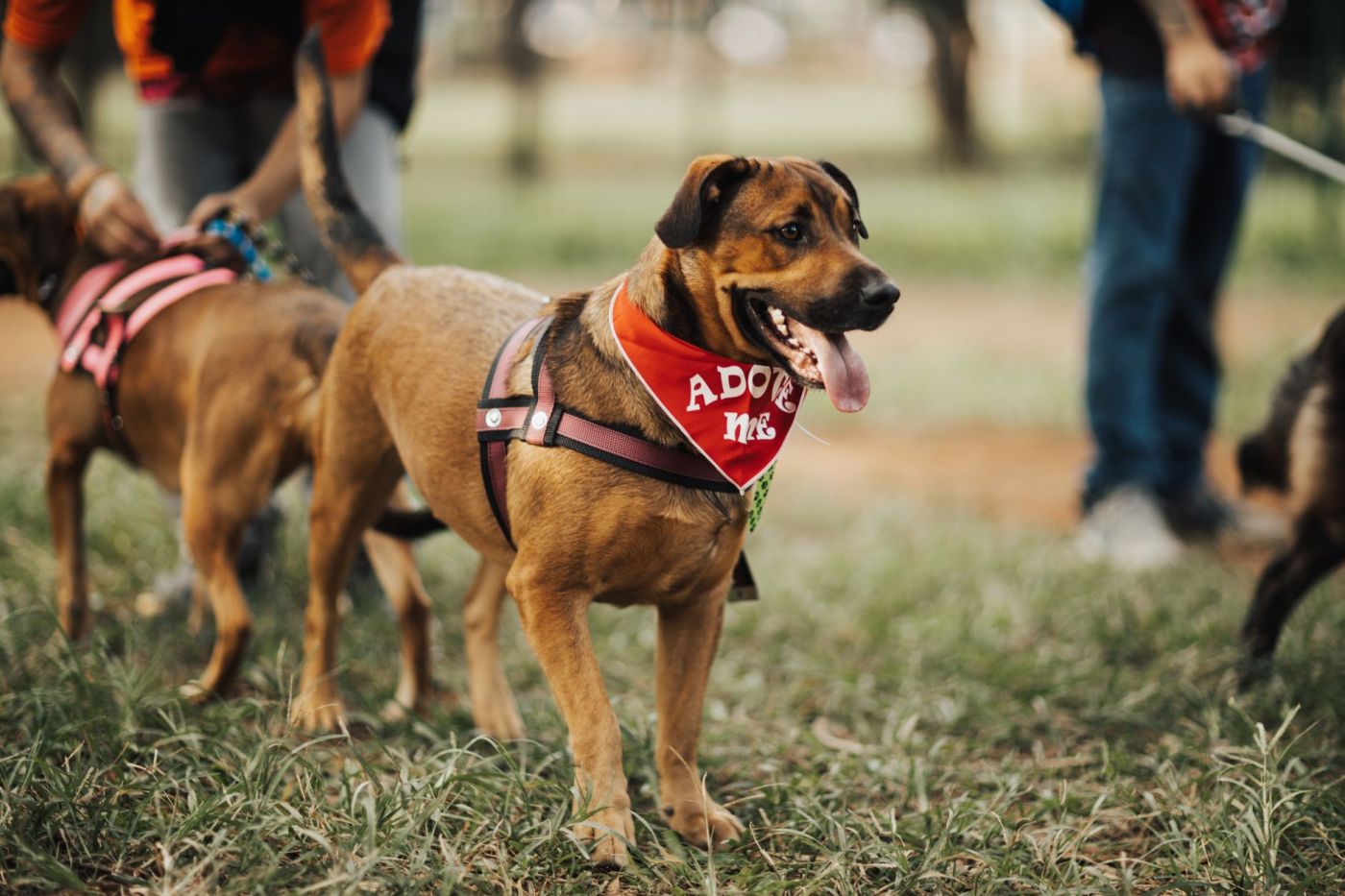
Bringing home a rescue dog is one of the kindest things you can do — and one of the most rewarding. But those first days can also feel confusing. Your new dog might hide, refuse food, have accidents, or seem shut down.
That is normal. A rescue dog is not being difficult. They are adjusting to a whole new life, and adjustment takes time. The 3-3-3 rule gives you a simple timeline for that adjustment, so you can be patient at the right moments and celebrate the small wins.
What Is the 3-3-3 Rule?
The 3-3-3 rule is a guide used by shelters and rescue groups to describe how long it often takes a dog to settle into a new home:
- 3 days to decompress and feel safe enough to eat, drink, and rest.
- 3 weeks to learn your routine, start to relax, and show more of their real personality.
- 3 months to feel truly at home, build trust, and settle into life with you.
Every dog is different, and the numbers are not a deadline. They are a reminder to go slowly, keep things predictable, and let your dog set the pace.
The First 3 Days: Let Your Dog Decompress
For the first three days, think of your home as a quiet rest stop, not a tour. Your dog has just left everything familiar — their kennel, their routine, the people and smells they knew. Even a loving home is a lot to take in all at once.
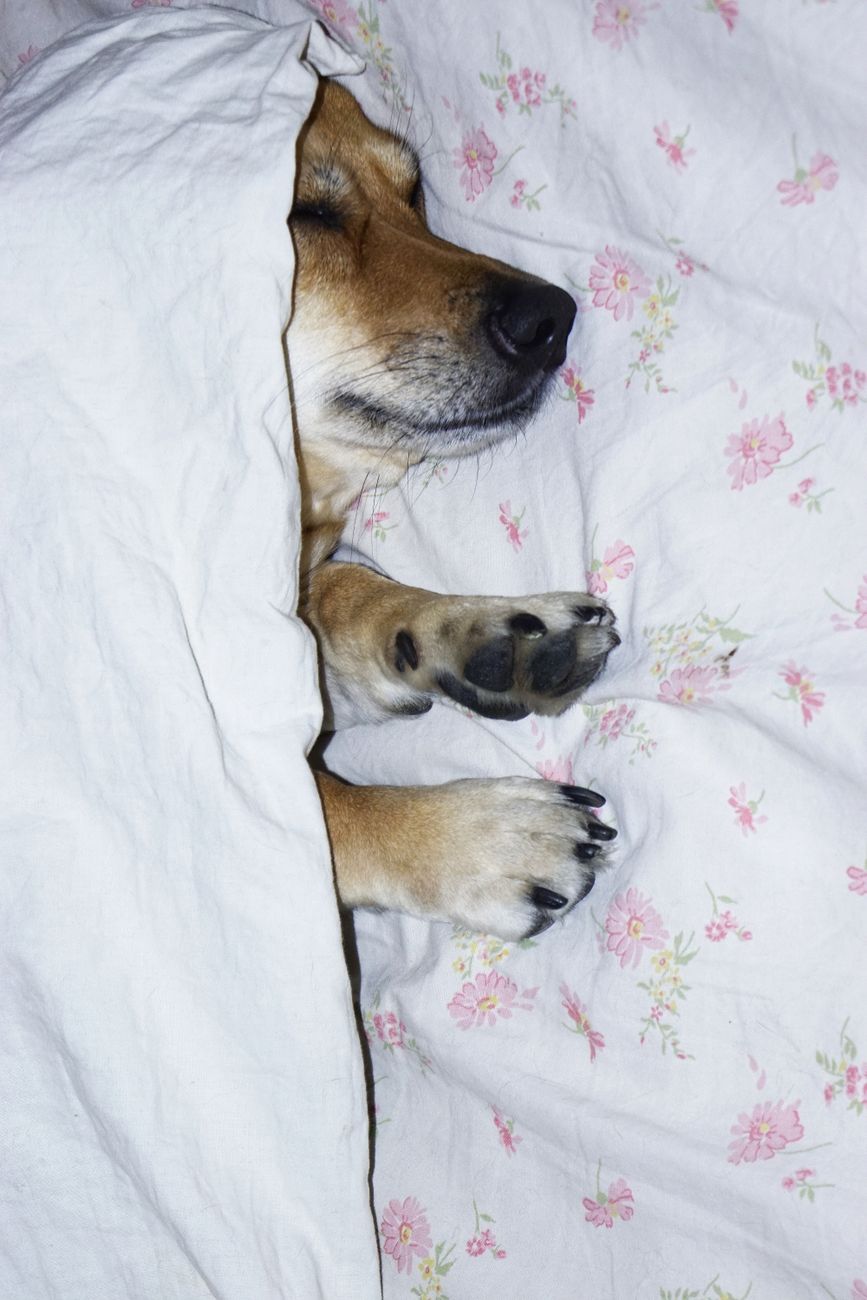
Set up a calm, cozy spot with a bed, water, and a safe place to retreat, like a crate with the door open or a quiet corner. Keep visitors to a minimum, keep walks short and calm, and let your dog come to you. Some dogs sleep a lot at first.
During these first days, focus on the basics:
- Offer food, water, and regular toilet breaks on a gentle schedule.
- Keep your voice calm and your movements slow.
- Do not force greetings with strangers, other pets, or children.
- Let your dog explore the house at their own pace, one room at a time.
If your dog has an accident, stay calm. They are still learning where the toilet is and what is theirs to chew. Clean up quietly and move on. This is the worst time to scold, and the best time to start building trust.
The First 3 Weeks: Learning Your Routine
By about three weeks, most rescue dogs start to relax a little. They learn when meals happen, where to sleep, and that you are the person who brings the good things. You may see more tail wags, more play, and more curiosity — and you may also see some testing.
This is when real personality starts to show. A dog who seemed quiet may turn out to be silly and playful. That is not a sign you made a mistake. It is a sign your dog finally feels safe enough to be themselves.
Use these weeks to build a simple, predictable routine for feeding, walks, play, and rest. Short, fun training sessions build trust — try a few minutes of positive reinforcement training each day, rewarding the behaviors you want to see more of. Our dog training hub has gentle, practical ideas to help you get started.
Keep introductions slow, too. Meet one new person or dog at a time, in a calm place, and watch your dog’s body language. Loose, wiggly, and curious is good. Stiff, tucked away, or trying to leave means it is time for a break.
The First 3 Months: Trust, Training, and Real Personality
Three months in, your rescue dog should start to feel like part of the family. They know your routine, they trust that meals and walks will come, and they have bonded with you. This is when many owners say, “Now I can see who my dog really is.”
That bond is built in small, everyday moments: the morning walk, the quiet evening on the sofa, the treat offered calmly, the game played together. Keep training kind and consistent, and keep rewarding calm behavior. Go slowly with short absences if being left alone is hard.
What If Your Rescue Dog Is Still Struggling?
Some dogs need more than three months, and that is completely okay. Dogs who have had a difficult past or never lived in a home before may take six months or more to fully relax. Progress is rarely a straight line — you may see big leaps forward, then a wobble after a vet visit, a move, or a noisy holiday. If your dog is very fearful or stressed for weeks, ask your vet or a reward-based trainer for help.
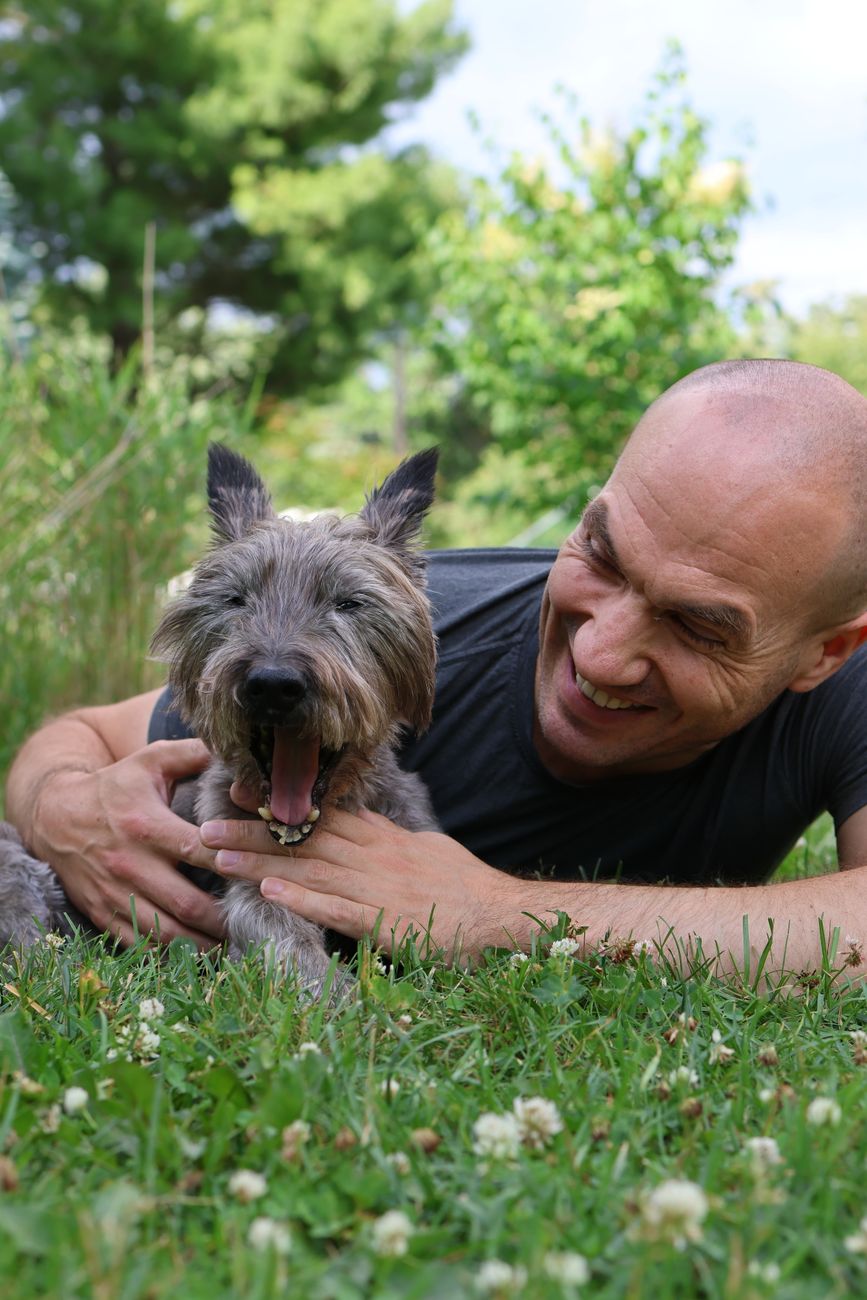
Your rescue dog does not need a perfect owner. They need a patient one. Give them three days to breathe, three weeks to learn, and three months to trust — and you will be amazed at the dog who emerges.
🐾 Get your free puppy checklist here: Free Puppy Checklist
🛍️ Visit the RockynusPrints shop on Etsy: RockynusPrints on Etsy
📖 Read Calm When You’re Gone by Rockynus on Amazon: Calm When You’re Gone on Amazon


Leave a Reply