Puppy Ownership 101: Understanding the Responsibilities

Hello, fellow dog lovers!

I cannot stress enough the importance of establishing consistent routines and boundaries for puppies. Puppies thrive on structure and predictability, and without it, they can become anxious and stressed, which can lead to behavior problems.

First and foremost, it’s important to establish a routine for feeding, potty breaks, exercise, and playtime. This will help your puppy know what to expect and when to expect it. Consistency is key when it comes to establishing a routine. Make sure you feed your puppy at the same time every day, take them out for potty breaks at regular intervals, and provide them with exercise and playtime on a consistent schedule.

Boundaries are also essential when it comes to raising a well-behaved puppy. Boundaries help your puppy understand what behaviors are acceptable and what are not. For example, if your puppy is not allowed on the furniture, it’s important to establish that boundary from the beginning and enforce it consistently. This will prevent confusion and help your puppy learn what is expected of them.

In addition to establishing consistent routines and boundaries, it’s important to use positive reinforcement when training your puppy. Positive reinforcement means rewarding good behavior with treats, praise, and affection. This helps your puppy understand what behaviors are desirable and encourages them to repeat those behaviors in the future.

It’s important to remember that consistency is key when it comes to raising a well-behaved puppy. Establishing consistent routines and boundaries from the beginning will help your puppy feel secure and confident, which will lead to better behavior and a happier home life for everyone.

In conclusion, if you want to raise a well-behaved puppy, it’s essential to establish consistent routines and boundaries. This will help your puppy feel secure and confident, which will lead to better behavior and a happier home life for everyone. By using positive reinforcement and consistent training, you can create a strong bond with your puppy and enjoy many years of love and companionship.
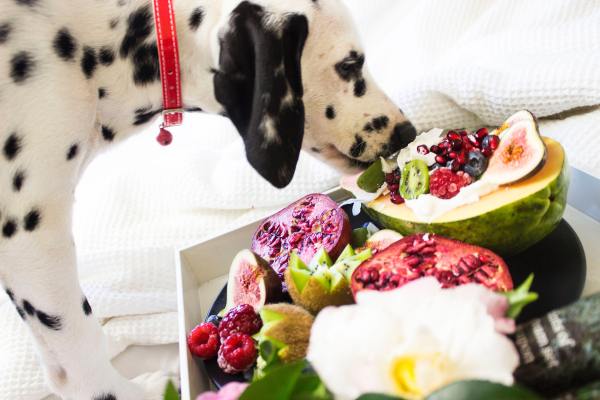
What Not To Feed Your Dog!!!

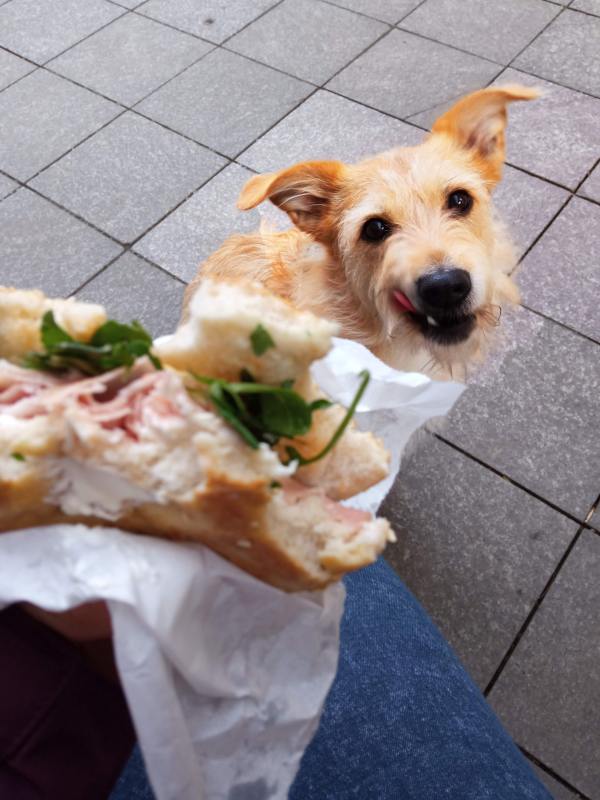
As pet owners, it’s our responsibility to provide our furry friends with a healthy, balanced diet that meets their nutritional needs. However, it’s just as important to know which foods can be harmful or even toxic to pets. Here are some foods to avoid feeding your pet:

  1. Chocolate: Chocolate contains theobromine, which can be toxic to pets. Even small amounts can cause vomiting, diarrhea, seizures, and even death.
  2. Onions and garlic: These foods contain compounds that can damage pets’ red blood cells, leading to anemia.
  3. Grapes and raisins: Grapes and raisins can cause kidney failure in pets, even in small amounts.
  4. Avocado: Avocado contains a toxin called Persin, which can cause vomiting and diarrhea in pets.
  5. Alcohol: Even small amounts of alcohol can be toxic to pets, leading to vomiting, diarrhea, difficulty breathing, and even death.
  6. Xylitol: Xylitol is a sugar substitute found in many sugar-free gums, candies, and baked goods. It can cause a rapid insulin release in pets, leading to hypoglycemia, seizures, and even liver failure.
  7. Bones: Cooked bones can splinter and cause choking or intestinal blockages in pets.
  8. Raw meat and eggs: Raw meat and eggs can contain harmful bacteria such as salmonella and E. coli, which can cause illness in pets.

It’s crucial to avoid feeding your pet these foods and to keep them out of reach. If you suspect your pet has ingested something toxic, contact your veterinarian immediately. By providing your pet with a safe and healthy diet, you can help ensure their health and happiness for years to come.

“Superfoods”

Just like humans, dogs can benefit from incorporating “superfoods” into their diets. Superfoods are nutrient-dense foods that provide a wide range of health benefits, from boosting immunity to improving digestion. Here are some superfoods you can consider adding to your dog’s diet:

  1. Blueberries: Blueberries are a great source of antioxidants, which can help fight inflammation and improve cognitive function. They are also low in calories and high in fiber, making them a great snack for weight-conscious dogs.
  2. Pumpkin: Pumpkin is an excellent source of fiber and can help regulate digestion. It’s also rich in beta-carotene, which supports eye health and immune function.
  3. Salmon: Salmon is an excellent source of omega-3 fatty acids, which can help reduce inflammation, support heart health, and improve brain function. It’s also high in protein and essential amino acids, making it a great addition to your dog’s diet.
  4. Sweet potato: Sweet potato is a great source of complex carbohydrates and fiber, making it an excellent alternative to traditional grains. It’s also rich in vitamins A and C, which can support immune function and promote healthy skin and coat.
  5. Kale: Kale is a nutrient-dense leafy green that is high in vitamins A, C, and K, as well as minerals such as calcium and potassium. It’s also rich in antioxidants, which can help fight inflammation and support overall health.
  6. Coconut oil: Coconut oil is a great source of healthy fats, which can improve digestion, support immune function, and promote healthy skin and coat. It’s also rich in lauric acid, which has antibacterial and antiviral properties.

When incorporating these superfoods into your dog’s diet, be sure to introduce them gradually and in moderation. Talk to your veterinarian to determine the best diet for your dog based on their age, breed, and activity level. By providing your dog with a well-balanced diet that includes nutrient-dense superfoods, you can help support their overall health and wellbeing.

Understanding Your Dogs Behavior.

Hello there, fellow dog lovers!

In this blog, I’ll be discussing how to understand your dog’s behavior. As pet owners, it’s important to understand our furry friends’ behaviors so that we can better communicate with them and provide them with the care and attention they need.

One of the most important things to understand about your dog’s behavior is that it’s largely driven by their instincts. Dogs have evolved over thousands of years to survive and thrive in their environments, and their behaviors reflect this. For example, dogs are natural pack animals and have a strong need for social interaction and hierarchy.

Understanding your dog’s behavior also means recognizing the signs of stress, anxiety, and fear. These emotions can manifest in a variety of ways, including pacing, panting, growling, or hiding. It’s important to be able to recognize these signs so that you can address the underlying issue and prevent it from escalating.

Another key aspect of understanding your dog’s behavior is learning how to communicate with them effectively. Dogs communicate through body language, vocalizations, and scent. By paying attention to your dog’s body language and vocalizations, you can better understand what they’re trying to communicate to you.

It’s also important to recognize that every dog is unique and may have their own quirks and personality traits. Some dogs may be more outgoing and social, while others may be more reserved and independent. By understanding your dog’s individual personality, you can better meet their needs and provide them with the appropriate care and attention.

In conclusion, understanding your dog’s behavior is essential for building a strong and positive relationship with your furry friend. By recognizing their instincts, signs of stress and anxiety, and unique personality traits, you can better communicate with them and provide them with the care and attention they need. So the next time you’re spending time with your furry companion, take some time to observe their behavior and deepen your understanding of their unique personality.

Positive Reinforcement

Welcome, fellow pet lovers!

In this blog, I’ll be discussing the importance of positive reinforcement in dog training. Positive reinforcement is a training technique that involves rewarding your dog for good behavior, rather than punishing them for bad behavior.

Positive reinforcement works by reinforcing desirable behavior and ignoring undesirable behavior. When your dog performs a desired behavior, such as sitting or coming when called, reward them with praise, affection, or treats. This reinforces the behavior and encourages them to repeat it in the future.

One of the biggest benefits of positive reinforcement is that it strengthens the bond between you and your dog. When you reward your dog for good behavior, you’re building a relationship based on trust and mutual respect. Your dog will learn to associate good behavior with positive outcomes, and this will encourage them to want to please you.

Another benefit of positive reinforcement is that it’s an effective way to train your dog. Punishing your dog for bad behavior can create fear and anxiety, which can actually make their behavior worse. On the other hand, positive reinforcement creates a positive and rewarding environment that encourages your dog to learn and grow.

Positive reinforcement can be used in many different types of training, including obedience training, behavior modification, and even agility training. By using treats, toys, and praise as rewards, you can help your dog learn new commands and behaviors in a fun and rewarding way.

In conclusion, positive reinforcement is an effective and humane way to train your dog. By rewarding good behavior and ignoring bad behavior, you can strengthen the bond between you and your pet, create a positive and rewarding training environment, and teach your dog new commands and behaviors. So the next time you’re training your furry friend, remember to use positive reinforcement and watch as they thrive and grow!

Processing…
Success! You're on the list.

Basic Obedience

Greetings, fellow dog lovers! As a highly knowledgeable dog trainer, I’m here to share some tips on basic obedience training for your furry friend. Today, we’ll be focusing on three key commands: sit, come, and leave it.

Sit: The sit command is one of the most basic and important commands for your dog to learn. It’s a great way to control your dog’s behavior and keep them calm in a variety of situations. To teach your dog to sit, start by holding a treat above their head and saying the command “sit.” As your dog looks up at the treat, their natural instinct will be to sit down. As soon as they do, reward them with the treat and praise.

Come: The come command is another essential command that can help keep your dog safe and under control. To teach your dog to come when called, start by saying the command “come” in a clear and firm voice. As your dog approaches you, reward them with treats and praise. It’s important to practice this command in a variety of environments and with distractions, so that your dog learns to come to you no matter what the situation.

Leave it: The leave it command is a valuable tool for keeping your dog from getting into potentially dangerous situations. To teach your dog to leave something alone, start by placing a treat or object on the ground and saying the command “leave it.” As your dog goes to investigate the object, gently pull them away and reward them with a different treat and praise. Repeat this process until your dog learns to ignore the object and respond to the command.

Bonus, the “heel” command teaches your dog to walk calmly beside you on a leash. This command is useful for taking your dog for walks and helps to prevent them from pulling on the leash or getting distracted. Start by holding the leash with your dog on your left side and start walking. When your dog tries to move ahead or lag behind, give a gentle tug on the leash and say “heel.” When they comply, reward them with praise and a treat. Repeat this exercise daily until your dog walks calmly beside you.

Remember, the key to successful obedience training is patience, consistency, and positive reinforcement. It’s important to keep training sessions short and fun, and to reward your dog for good behavior. With time and practice, your dog will learn to obey these basic commands and you’ll be well on your way to a happy and well-trained furry companion.

In conclusion, basic obedience training is essential for every dog, regardless of their breed or age. By teaching your dog these commands, you establish a foundation for their behavior and create a stronger bond between you and your furry friend. Remember to always use positive reinforcement and patience when training your dog, and don’t forget to have fun!

Welcome To the World of Doggy Training.

If you’re a dog owner, you know that your furry friend is an important part of your family. But as much as we love our pets, sometimes they can be a handful. That’s where dog training comes in. Training your dog not only helps to improve their behavior, but it also strengthens the bond between you and your pet.

But training is more than just teaching your dog to sit and stay. It’s about building a relationship of trust and respect, where your dog understands their role in your family and knows what is expected of them. It’s about creating a safe and happy environment for both you and your pet.

One of the most important benefits of training your dog is that it can help prevent behavioral problems. Dogs who are not trained are more likely to exhibit destructive behavior, such as chewing on furniture or barking excessively. By teaching your dog good manners and providing them with plenty of mental and physical stimulation, you can prevent these issues from occurring.

Training also helps to keep your dog safe. A well-trained dog is less likely to run away or get into dangerous situations. By teaching your dog to come when called and stay by your side, you can ensure that they stay safe both at home and in public.

But perhaps the most important benefit of training your dog is the bond that it creates between you and your pet. Training requires patience, consistency, and love, and by working together with your dog, you can strengthen your relationship and build a deeper level of trust and understanding.

In this blog, we’ll explore various aspects of dog training, from basic obedience to more advanced techniques. We’ll also cover topics such as positive reinforcement, communication, and understanding your dog’s behavior. Our goal is to provide you with the information and tools you need to create a happy and well-behaved pet.

So if you’re ready to start building a stronger bond with your furry friend, let’s dive into the world of dog training together!

Thinking about getting a Puppy?

Getting a new puppy can be exciting and overwhelming. To make sure you have everything you need for your new furry friend, here’s a checklist of things to get for your new puppy:

  1. Food: Puppies have different nutritional needs than adult dogs, so make sure to get food specifically formulated for puppies. Choose a high-quality brand that meets your puppy’s nutritional needs.
  2. Water and food bowls: Get two bowls, one for food and one for water. Choose a size appropriate for your puppy’s breed and size.
  3. Collar and leash: Puppies need a collar and leash for training and walking. Choose a lightweight collar that fits your puppy’s neck properly and a leash that’s strong enough to handle your puppy’s pulling.
  4. Identification tags: Attach an identification tag to your puppy’s collar with your contact information in case your puppy gets lost.
  5. Crate or carrier: A crate or carrier can help keep your puppy safe and secure during transport or when you’re away. Choose a size that your puppy can stand up, turn around, and lie down comfortably in.
  6. Bedding: Get a comfortable bed or blanket for your puppy to sleep on. Make sure it’s washable, and choose a material that’s comfortable and durable.
  7. Toys: Puppies love to play, so get a variety of toys that are safe and age-appropriate. Chew toys can help alleviate teething discomfort.
  8. Puppy pads or newspapers: Puppies need to go potty frequently, and accidents are inevitable. Puppy pads or newspapers can help minimize messes and make clean-up easier.
  9. Grooming supplies: Get a brush or comb, shampoo, and nail clippers for grooming your puppy. Puppies need frequent grooming to maintain their coat and keep their nails short.
  10. Treats: Use treats to reward good behavior during training or just as a special treat. Choose healthy, low-calorie treats to avoid overfeeding your puppy.

Remember, getting a new puppy is a big responsibility, so be prepared to provide plenty of love, attention, and care for your new furry friend.

5 Easy Steps on How to Putty Train Your Puppy!

Photo by Brett Sayles

Welcome to our guide on how to potty train your puppy!

I’m often asked about the best way to potty train a puppy. And let me tell you, potty training can be a challenging but essential task when it comes to raising a well-behaved and happy furry friend. With patience, consistency, and positive reinforcement, you can successfully train your puppy to do their business outside.

Step 1: Establish a Routine- One of the most important aspects of potty training is establishing a routine. Puppies succeed on routine, so it’s essential to take them out for a bathroom break at the same times every day. Typically, puppies need to go outside immediately after waking up, after eating, and after playing.

Step 2: Choose a Designated Spot – Choosing a designated spot for your puppy to do their business is another crucial part of potty training. Pick an area outside that’s easily accessible, and consistently take your puppy there to go potty. Using a specific word or phrase like “go potty” when you take them outside will eventually help your puppy associate the phrase with the act of going potty.

Step 3: Positive Reinforcement – Positive reinforcement is key when it comes to potty training. Whenever your puppy goes potty in the designated spot, make sure to praise them and give them a treat. This will help them understand that going potty in the designated spot is a good thing.

Step 4: Consistency – Consistency is critical when it comes to potty training. Make sure to take your puppy outside at the same times every day, and never punish them for accidents inside the house. Instead, ignore the behavior and thoroughly clean the area with an enzymatic cleaner to eliminate the scent.

Step 5: Patience – Remember, potty training takes time and patience. Don’t expect your puppy to be fully housebroken in just a few days. Be prepared for accidents and setbacks, and always remain positive and patient.

In conclusion, potty training your puppy can seem like a daunting task, but it doesn’t have to be. By establishing a routine, choosing a designated spot, using positive reinforcement, remaining consistent, and having patience, you can successfully housebreak your new furry friend.

Now that you have some basic tips on potty training your puppy, what are some challenges you have faced when it comes to housebreaking your furry friend? Have you found any additional tips or tricks that have helped you in the process? Share your thoughts and experiences in the comments below! Happy Training!

Leave a comment

Getting a puppy?

Pexels.com

Hello, fellow dog lovers!

I often get asked what to look for when getting a new puppy. And I have to say, there are a few important factors to consider before bringing home a new furry friend.

First and foremost, it’s crucial to do your research and find a reputable breeder or adoption agency. Look for someone who has experience breeding or caring for puppies and who puts the welfare of their dogs first.

Next, consider the breed or mix of your potential puppy. Different breeds have different temperaments and exercise requirements, so choose one that fits your lifestyle and personality. For example, a high-energy breed like a Border Collie may not be a good match for someone who lives in an apartment and works long hours.

Once you’ve found a breeder or adoption agency, it’s time to evaluate the individual puppy you’re considering. Here are a few things to look for:

  1. Health: A healthy puppy should have clear eyes, clean ears, and a shiny coat. They should also be active and playful, with no signs of lethargy or illness.
  2. Temperament: A puppy’s temperament can be a good indication of their personality as an adult. Look for a puppy who is friendly, curious, and confident. Avoid puppies who seem fearful or aggressive.
  3. Socialization: Puppies need early socialization to become well-adjusted adults. Make sure the puppy you’re considering has had exposure to different people, animals, and environments.
  4. Trainability: While all puppies can be trained, some breeds may be easier to train than others. Look for a puppy who is eager to please and responds well to basic commands.
  5. Breeder support: A good breeder or adoption agency will offer support and guidance as you raise your puppy. They should be available to answer questions and provide resources as needed.

By considering these factors and doing your due diligence, you can find the perfect puppy to join your family. Remember, getting a new puppy is a big responsibility, but with love, patience, and proper training, your furry friend will bring you years of joy and companionship.

Blog at WordPress.com.

Up ↑