Fun in the Kitchen: Making Homemade Dog Treats with Your Furry Friend

Ensuring your dog has a well-balanced diet is crucial for their health and overall well-being. Proper nutrition is key, not just for maintaining their health, but also for enhancing their quality of life. One method of achieving this is by creating homemade dog treats.

While store-bought treats may seem convenient, they often contain artificial preservatives, colors, and flavors that can have adverse effects on your pet’s health. Additionally, they may not cater to your dog’s specific dietary needs, such as allergies or weight management.

Making dog treats at home allows you to control the quality of ingredients and ensure that your dog is getting the right nutrition. Furthermore, it is a fun and engaging activity that can strengthen the bond between you and your dog. Not to mention, homemade dog treats are often cheaper than store-bought ones!

Here are some popular homemade dog treats that your furry friend is sure to love:

  1. Peanut Butter Biscuits: Peanut butter is a favorite flavor for many dogs. Mix whole wheat flour, peanut butter, eggs, and water to form a dough, then cut it into fun shapes using cookie cutters. Bake until golden brown and watch your dog wag their tail with excitement.
  2. Carrot and Apple Bites: These treats are packed with vitamins and antioxidants that promote good health. Simply grate carrots and apples, mix them with rolled oats and honey, and form into small balls. Chill in the refrigerator, and you have a refreshing and healthy snack for your furry friend.
  3. Chicken Jerky: Most dogs go wild for meat, and chicken is a lean protein source that’s easy to prepare. Cut chicken breasts into thin strips and bake in the oven until crispy. You can also marinate them in broth or spices for added flavor.
  4. Frozen Yogurt Bites: On hot summer days, your dog will appreciate a refreshing treat. Mix plain yogurt with mashed bananas, honey, and a bit of peanut butter, then pour into ice cube trays and freeze. These frozen treats are perfect for keeping your dog cool and hydrated.
  5. Sweet Potato Chews: Sweet potatoes are a great source of fiber and vitamins. Slice them into thin rounds, brush with a bit of coconut oil, and bake until crispy. These chews make for a satisfying and healthy snack.

In future blogs, we will give out step-by-step instructions on how to make these homemade dog treats. Not only will you have fun in the kitchen, but you’ll also be ensuring that your dog is getting the nutrition they need to live their best life.

So why not ditch the store-bought treats and try making your own? Your furry friend will thank you with wagging tails and wet noses.
5 Proven ways to Eliminate Pet Odors in Your Home

As a dog owner, I know how difficult it can be to keep your home smelling fresh and clean when you have furry friends around. While dogs are wonderful companions, they can leave behind a less-than-pleasant odor that can be tough to get rid of. Fortunately, there are plenty of products out there that can help eliminate that odor and keep your home smelling great. Here is a list of products to use and how often they should be used:

  1. Air purifiers: Air purifiers are great for removing pet odors from the air. They use filters to trap pet hair, dander, and other allergens that can cause odors. It’s recommended to run your air purifier continuously to keep the air in your home clean and fresh.
  2. Odor neutralizers: Odor neutralizers are designed to eliminate odors, not just mask them. These products contain enzymes or bacteria that break down odor-causing molecules. It’s recommended to use odor neutralizers as needed or after cleaning up pet messes.
  3. Carpet and upholstery cleaners: Carpets and upholstery can trap pet odors, so it’s important to clean them regularly. Use a pet-specific cleaner designed to remove stains and odors. Depending on the amount of traffic in your home, it’s recommended to clean carpets and upholstery every six months to a year.
  4. Pet-safe cleaners: When cleaning up after your pets, use pet-safe cleaners that are free from harsh chemicals and fragrances. These cleaners are safe for your pets and won’t irritate their skin or respiratory system. Use pet-safe cleaners as needed or after cleaning up pet messes.
  5. Essential oils: Essential oils can be used to add a pleasant scent to your home while also eliminating odors. Lavender, lemon, and peppermint are great for neutralizing pet odors. Add a few drops of essential oil to a diffuser or mix with water in a spray bottle and use as needed.
  6. Baking soda: Baking soda is a natural odor neutralizer that can be used to eliminate pet odors. Sprinkle baking soda on carpets and upholstery and let sit for 15-30 minutes before vacuuming. It’s recommended to use baking soda every 2-3 months or as needed.
  7. Vinegar: Vinegar is another natural odor neutralizer that can be used to eliminate pet odors. Mix equal parts vinegar and water in a spray bottle and use it to clean surfaces in your home. It’s recommended to use vinegar as needed or after cleaning up pet messes.

In conclusion, keeping your home smelling fresh and clean with pets requires regular care and cleaning. By using a combination of these products and cleaning methods, you can eliminate pet odors and keep your home smelling fresh. It’s important to use these products as recommended and clean up after your pets regularly to maintain a fresh and clean home.

Becoming a Canine Good Citizen: A Guide to Passing the CGC Test

Welcome, dog lovers!

Today, we’re going to talk about one of the most important aspects of being a responsible dog owner: the Canine Good Citizen (CGC) test.

What is the CGC test, you may ask? It is a test designed to evaluate a dog’s behavior in a variety of situations and determine whether or not they possess the skills necessary to be a “good canine citizen.”

But why is this important, you may wonder? Well, for starters, a well-behaved dog is not only easier to live with, but also safer for both themselves and those around them. Furthermore, many public places such as parks, stores, and restaurants require dogs to be well-behaved and have their CGC certification before entering.

So, what is needed to pass the CGC test? Let’s break it down.

The test consists of ten different parts, each designed to evaluate a different aspect of your dog’s behavior. These include:

  1. Accepting a friendly stranger: Your dog must remain calm and allow a friendly stranger to approach and pet them.
  2. Sitting politely for petting: Your dog must sit calmly while being petted by a stranger.
  3. Appearance and grooming: Your dog must tolerate being groomed and examined by a stranger.
  4. Walking on a loose leash: Your dog must walk calmly on a loose leash without pulling or lunging.
  5. Walking through a crowd: Your dog must remain calm and well-behaved while walking through a crowd of people.
  6. Sit and down on command and staying in place: Your dog must be able to follow basic obedience commands such as “sit” and “down” and stay in place when commanded.
  7. Coming when called: Your dog must come when called, even from a distance.
  8. Reaction to another dog: Your dog must remain calm and well-behaved when meeting another dog.
  9. Reaction to distraction: Your dog must remain calm and well-behaved when faced with distractions such as loud noises or sudden movements.
  10. Supervised separation: Your dog must remain calm and relaxed when left with a stranger for a short period of time.

To pass the test, your dog must perform each of these tasks successfully. Of course, this is easier said than done, and it may take some training and practice to get there.

So, how can you prepare your dog for the CGC test? Here are some tips:

  1. Start training early: The earlier you begin training your dog, the better. Basic obedience training should start as soon as you bring your dog home.
  2. Practice, practice, practice: Practice each of the ten parts of the test regularly with your dog to ensure they are comfortable and confident in each situation.
  3. Socialize your dog: Exposure to new people, animals, and environments is crucial for developing a well-behaved dog.
  4. Use positive reinforcement: Positive reinforcement training methods, such as rewarding your dog with treats or praise, are the most effective way to teach your dog new behaviors.
  5. Be patient and persistent: Training takes time and effort, so be patient with your dog and continue to work with them until they master each part of the test.

In conclusion, the Canine Good Citizen test is an essential part of responsible dog ownership. By passing the test, you can ensure that your dog is well-behaved, safe, and welcome in a variety of public places. So, get out there and start training your furry friend – you’ll be amazed at what they can accomplish!

RockyNus

Redmond WA.

Processing…
Success! You're on the list.

Follow us!

Designed with WordPress.com

Best Way to Protect Your Dog: Why Vaccination is Essential for Your Dog’s Health

Hello there, fellow Dog lovers!

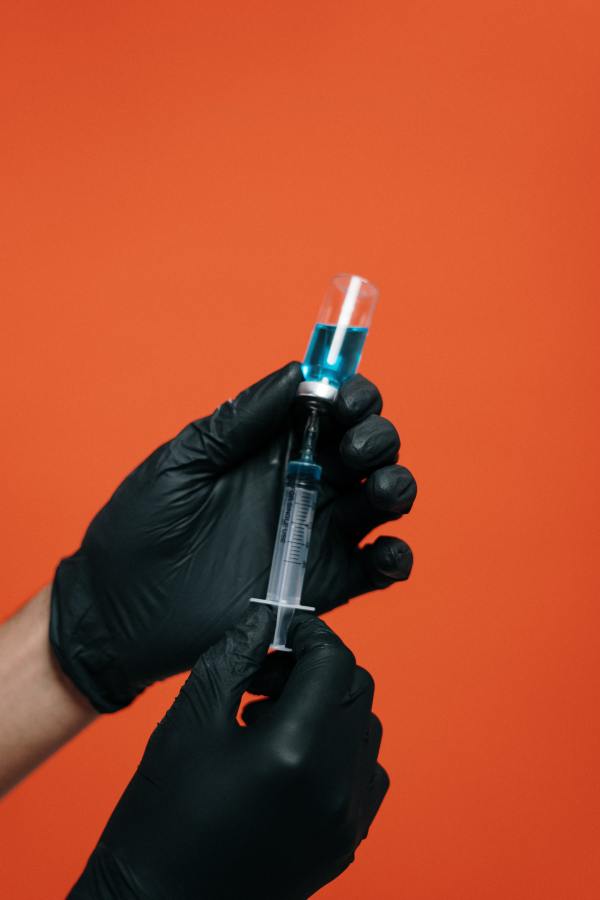
Vaccination is a simple yet incredibly powerful way to keep our dogs healthy and protect them from potentially deadly diseases. In this blog, I will discuss the different types of vaccinations, their benefits, and when your dog should receive them.

Types of Vaccinations

There are several different vaccinations available to protect our dogs from various diseases. Some of the most common vaccines include:

  1. Distemper: This vaccine protects against a highly contagious and potentially deadly virus that can cause a range of symptoms, including fever, coughing, vomiting, and seizures.
  2. Parvovirus: This vaccine protects against a highly contagious virus that can cause severe diarrhea, vomiting, and dehydration, and can be fatal in some cases.
  3. Rabies: This vaccine protects against a virus that attacks the nervous system and can be transmitted to humans through bites or scratches from infected animals.
  4. Bordetella: This vaccine protects against a bacterial infection that can cause coughing, sneezing, and pneumonia.

Benefits of Vaccination

The benefits of vaccination for our dogs are numerous. Vaccines not only protect our pets from potentially deadly diseases, but they can also save us a lot of money in veterinary bills. It is much cheaper to prevent a disease through vaccination than it is to treat it once our dog has become sick. Additionally, some vaccines, such as the rabies vaccine, are required by law in many areas to protect public health.

When to Vaccinate Your Dog

The age at which your dog should receive vaccinations depends on several factors, including the type of vaccine, your dog’s age, and their overall health. Puppies should start receiving vaccinations as early as six weeks old, with boosters given every three to four weeks until they are around 16 weeks old. Adult dogs should receive booster shots on a regular schedule, typically every one to three years, depending on the vaccine and your dog’s individual needs.

In addition to the standard vaccinations, there are other vaccines available for certain dogs depending on their lifestyle and activities. For example, dogs that spend a lot of time outdoors may benefit from the Lyme disease vaccine, while dogs that frequently visit boarding facilities may need the canine influenza vaccine.

In conclusion, vaccination is an essential part of responsible pet ownership. By vaccinating our dogs, we can protect them from potentially deadly diseases and keep them healthy for years to come. As always, consult with your veterinarian to determine which vaccines are appropriate for your dog and when they should receive them.

Processing…
Success! You're on the list.

The Secret to a Shiny Coat: Tips for Brushing Dog’s Hair

Welcome, pet parents!

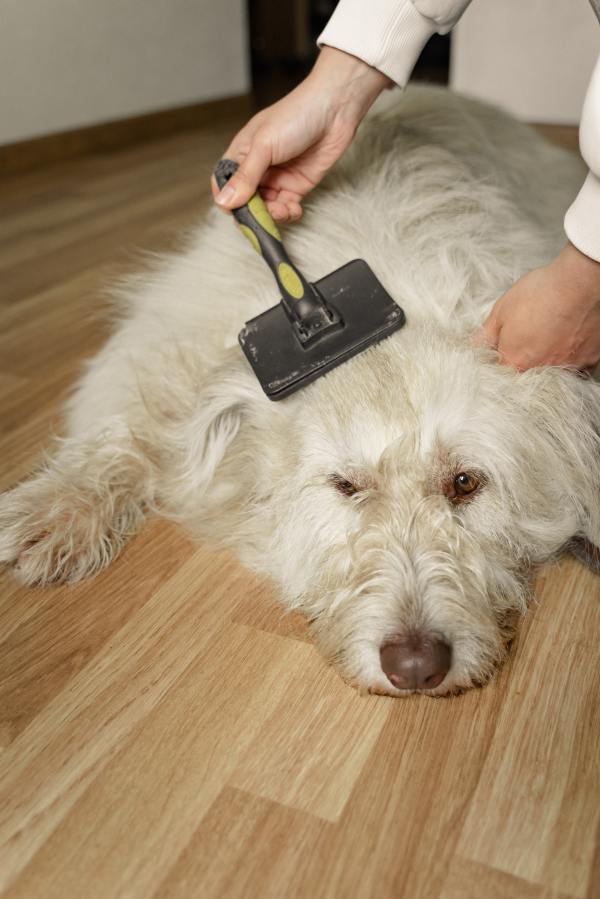
I can’t stress enough how important it is to take care of your furry friend’s coat. A healthy coat is not only visually pleasing, but it also plays a vital role in your dog’s overall health and wellbeing. In this blog, we’ll discuss the importance of brushing your dog’s hair, different types of brushes, and how often you should be brushing based on your dog’s breed.

Different Breeds, Different Hair Types:

 Let’s talk about the different types of hair your dog may have. There are three main types: wiry, curly, and straight. Breeds like Terriers have wiry hair, while Poodles and Bichons have curly hair. Straight-haired breeds include Labradors and Golden Retrievers. Each type of hair requires different types of brushing techniques and tools.

The Importance of Brushing Regular:

Brushing helps remove dead hair and debris, prevent matting and tangles, and distributes natural oils throughout the coat. This promotes healthy hair growth and can even reduce the risk of skin infections. Plus, it’s a great way to bond with your furry friend and keep them looking their best!

Types of Brushes:

Now, let’s talk about the different types of brushes you should use for your dog’s hair. Slicker brushes work best for curly hair, while bristle brushes are great for straight hair. For wiry hair, you’ll want a pin brush or a comb. It’s important to choose the right brush for your dog’s coat to avoid damaging their hair or causing discomfort.

How Often Should You Brush?

How often you should brush your dog’s hair depends on their breed and hair type. Generally, dogs with longer or thicker coats will require more frequent brushing than those with shorter coats. For example, a Poodle may need to be brushed daily, while a Labrador may only need to be brushed once a week.

In Conclusion Brushing your dog’s hair may seem like a tedious task, but it’s a crucial part of their overall health and wellbeing. By understanding your dog’s breed and hair type, using the right brushes, and maintaining a regular brushing routine, you can ensure that your furry friend has a healthy, shiny coat. Happy brushing, pet parents!

What are some of your tips and tricks for brushing your dog’s hair? Share in the comments below!

Leave a comment

“Top 7 Dog Training Mistakes: Are you Guilty?”

“Top 7 Dog Training Mistakes: Are you Guilty?”

Training your furry friend is one of the most rewarding experiences you can have as a dog owner. Unfortunately, it can also be one of the most frustrating, especially if you’re making common dog training mistakes. So, let’s talk about the top 7 dog training mistakes and how you can avoid them.

  1. Being Inconsistent:  This is the number one mistake dog owners make, and it’s easy to do.  If you’re not consistent with your training, your dog won’t know what’s expected of them.  Make sure everyone in your household is using the same commands and methods.
  • Punishing Your Dog: This is a huge no-no. Punishing your dog for bad behavior is not only ineffective, but it can also lead to more negative behavior.  Instead, focus on positive reinforcement by rewarding your dog for good behavior.
  • Expecting Too Much Too Soon:  Training your dog takes time, patience, and lots of practice.  Don’t expect your dog to learn everything in one session or even one week.  It takes time for your dog to learn and understand your commands and expectations.
  • Not Socializing Your Dog:  Socialization is key to training your dog.  Exposing your dog to different people, animals, and environments will help them learn to be calm and well-behaved in different situations.  Failing to socialize your dog can lead to aggression and anxiety.
  • Using Physical Punishment or Force: Using physical punishment or force is never an acceptable way to train your dog.  This can cause fear and aggression and may damage the relationship between you and your dog.
  • Overwhelming Your Dog:  Teaching your dog too many commands at once or expecting them to learn complex tricks can be overwhelming for your dog.  Start with simple commands and work your way up to more complex training.
  • Not Being Patient:  Training your dog takes time and patience.  Don’t get frustrated if your dog doesn’t learn a new command right away.  Keep practicing and be patient with your furry friend.

Avoiding these common dog training mistakes can lead to a happier, healthier and better-behaved dog.  By being consistent, using positive reinforcement, socializing your dog, avoiding physical punishment, being patient, you can build a strong with your dog and help them become a well-behaved and obedient companion.

So, what’s the biggest challenge you’ve made while training your dog? -Let me know in the comments below!

Leave a comment

Essential Grooming Supplies!

Hi there, fellow pet lovers!

As a passionate pet owner, I’ve learned that proper grooming is essential for the health and happiness of our furry friends. But in order to give them the best grooming possible, we need to have the right supplies on hand. In this blog post, I will be discussing some of the essential grooming supplies that every pet owner should have.

  1. Brush: A good brush is essential for keeping your pet’s coat healthy and shiny. The type of brush you need will depend on your pet’s coat type, but a slicker brush or a comb are good options for most pets. If your pet has a thick or double coat, you may also need an undercoat rake.
  2. Shampoo: Using a pet-friendly shampoo is important for keeping your pet’s coat clean and healthy. Look for a shampoo that is specifically designed for your pet’s coat type and needs. For example, if your pet has sensitive skin, you may need a hypoallergenic shampoo.
  3. Nail Clippers: Keeping your pet’s nails trimmed is important for their health and comfort. Using a good quality nail clipper designed for pets is essential to avoid cutting the quick. A nail grinder is another option that can be gentler on your pet’s nails.
  4. Toothbrush and Toothpaste: Dental hygiene is just as important for pets as it is for humans. Brushing your pet’s teeth regularly helps to prevent dental problems and keep their breath fresh. A soft-bristled toothbrush and pet-specific toothpaste are both important for this task.
  5. Ear Cleaner: Keeping your pet’s ears clean is important to prevent ear infections and other ear-related problems. Using a pet-friendly ear cleaner and a soft cloth or cotton ball is the safest and most effective way to clean your pet’s ears.

Having the right grooming supplies on hand is essential for keeping our pets healthy, happy, and looking their best. By investing in good quality grooming supplies and using them regularly, we can give our furry friends the care they deserve. Remember to always use pet-specific products and be gentle and patient when grooming your pet.

Stay tuned for an exciting review of some of the essential grooming tools we listed earlier! We will be taking a closer look at each of these tools and discussing their features and benefits in more detail. From the different types of brushes and combs available to the importance of using pet-specific shampoos, we will cover it all. Plus, we will be sharing some tips and tricks on how to use these tools effectively to keep your pet looking and feeling their best. So, stay tuned for this informative and exciting review and discover how these essential grooming tools can help you take the best care of your furry friend!

Happy Grooming!!

Different Grooming Techniques!

Hello fellow pet lovers!

As a pet enthusiast, I have learned that proper grooming is not only important for your pet’s hygiene but also for their overall health and well-being. In this blog post, I will be discussing some of the best grooming techniques that I’ve learned over the years.

  1. Brushing: Brushing your pet’s coat regularly is essential to remove tangles, mats, and loose fur. It also helps to distribute the natural oils throughout their coat, keeping it healthy and shiny. The type of brush you use will depend on your pet’s coat type, but a slicker brush or a comb are good options for most pets.
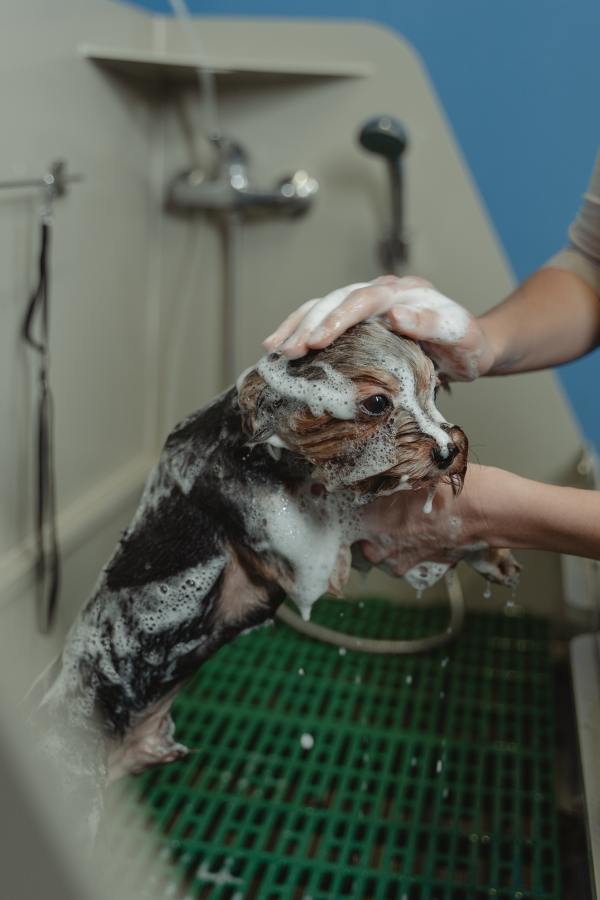
  2. Bathing: Regular bathing helps to keep your pet clean and healthy. The frequency of baths will depend on your pet’s breed and activity level, but typically once a month is sufficient. Be sure to use a pet-friendly shampoo and rinse thoroughly to avoid any skin irritations.
  3. Nail trimming: Keeping your pet’s nails trimmed is essential to prevent them from getting too long and causing discomfort or even injury. Be sure to use pet-specific nail clippers and trim the tips of the nails, being careful not to cut too close to the quick.
  4. Teeth cleaning: Dental health is just as important for pets as it is for humans. Regular teeth cleaning helps to prevent dental issues and keeps your pet’s breath fresh. You can use a soft-bristled toothbrush and pet-friendly toothpaste to clean your pet’s teeth.
  5. Ear cleaning: Cleaning your pet’s ears helps to prevent ear infections and remove any buildup of wax or debris. Be sure to use a pet-friendly ear cleaner and a soft cloth or cotton ball to clean the outer part of the ear.
  6. Hair Trimming: Trimming your dog’s hair helps to keep it tidy and prevent mats and tangles. It’s important to use proper tools and to avoid cutting too close to the skin.
  7. Paw Care: Checking and cleaning your dog’s paws helps to prevent infections and remove debris. It’s also important to trim the hair between the paw pads and to check for any cuts or injuries.

In conclusion, proper grooming is essential for the health and well-being of our furry friends. By following these grooming techniques, we can keep our pets healthy, clean, and happy. Remember to always use pet-friendly grooming products and be patient and gentle when grooming your pet. Happy grooming!

Grooming For Different Breeds!

Hello fellow pet lovers!

I’m here to talk about the importance of grooming for different dog breeds. Every breed has its unique grooming needs that are important to keep in mind to ensure they look and feel their best. As a proud owner of a variety of dog breeds, I’ve learned a lot about how to groom them effectively, so I’m excited to share this information with you today!

  1. Short-Haired Breeds: Breeds such as Beagles, Boxers, and Dobermans have short hair that doesn’t require much maintenance. However, regular brushing helps remove loose fur, dirt, and dander, which can contribute to a healthy coat. Bathing should be done every 6-8 weeks with a pet-specific shampoo to avoid drying out their skin.
  2. Long-Haired Breeds: Breeds like the Shih Tzu, Poodle, and Maltese require more frequent grooming due to their long hair. Brushing daily or every other day is essential to prevent mats and tangles, and trimming should be done every 4-6 weeks to keep the coat looking tidy.
  3. Double-Coated Breeds: Breeds such as Huskies and Golden Retrievers have a thick undercoat and longer topcoat that requires regular brushing to prevent mats and tangles. During shedding season, more frequent brushing is recommended to remove dead hair and keep the coat healthy.
  4. Wire-Haired Breeds: Breeds such as the Terrier and Schnauzer have a wiry coat that requires more maintenance. Regular brushing and trimming every 8-10 weeks are necessary to maintain a healthy coat and prevent matting.
  5. Curly-Coated Breeds: Breeds such as the Bichon Frise and Poodle have a curly coat that requires regular brushing and trimming every 6-8 weeks. Professional grooming is recommended every 4-6 weeks to keep the coat looking its best.

In conclusion, grooming plays a crucial role in maintaining the overall health and appearance of our furry friends. Every breed has unique grooming needs that should be taken into consideration when developing a grooming routine. Regular grooming not only keeps our pets looking and feeling good, but also helps to prevent potential health issues. So, let’s all commit to giving our pets the best grooming care possible and keeping them happy and healthy!

Grooming Mistakes To Avoid

Hey there fellow pet lovers!

I am a huge advocate for pet grooming. Grooming is an important aspect of pet care that not only keeps our furry friends looking good but also promotes their overall health and well-being. However, as much as we want to do what’s best for our pets, sometimes we make mistakes when it comes to grooming. That’s why I wanted to share with you some common grooming mistakes to avoid.

  1. Over-bathing: While bathing is an important part of grooming, over-bathing can strip your pet’s skin and coat of natural oils, leading to dryness and irritation. It’s important to follow a bathing schedule that’s appropriate for your pet’s breed and skin type, and to use a pet-specific shampoo.
  2. Cutting Nails Too Short: Cutting your pet’s nails too short can be painful and cause bleeding. It’s important to use proper nail trimmers and to be cautious when trimming. If you’re unsure, seek the advice of a professional groomer or veterinarian.
  3. Not Brushing Regularly: Regular brushing helps to remove loose fur, dirt, and mats from your pet’s coat. Skipping regular brushing can lead to mats and tangles that can be uncomfortable and even painful for your pet.
  4. Using Human Products: It’s important to use grooming products that are specifically designed for pets. Human products, such as shampoo or perfume, can be harmful to pets and cause skin irritation.
  5. Neglecting Teeth Cleaning: Dental care is an important part of pet grooming. Neglecting to clean your pet’s teeth can lead to dental issues such as gum disease and tooth decay. Use pet-specific toothpaste and toothbrushes to clean your pet’s teeth regularly.
  6. Not Grooming According to Breed: Different breeds have different grooming needs, so it’s important to research and understand the specific requirements for your pet’s breed. For example, long-haired breeds may require more frequent brushing and trimming to prevent mats and tangles.

In conclusion, avoiding common grooming mistakes is an important part of keeping our pets healthy and happy. By following proper grooming techniques and avoiding these mistakes, we can ensure that our furry friends look and feel their best. Let’s all make a commitment to prioritize pet grooming and give our pets the care they deserve!

Blog at WordPress.com.

Up ↑