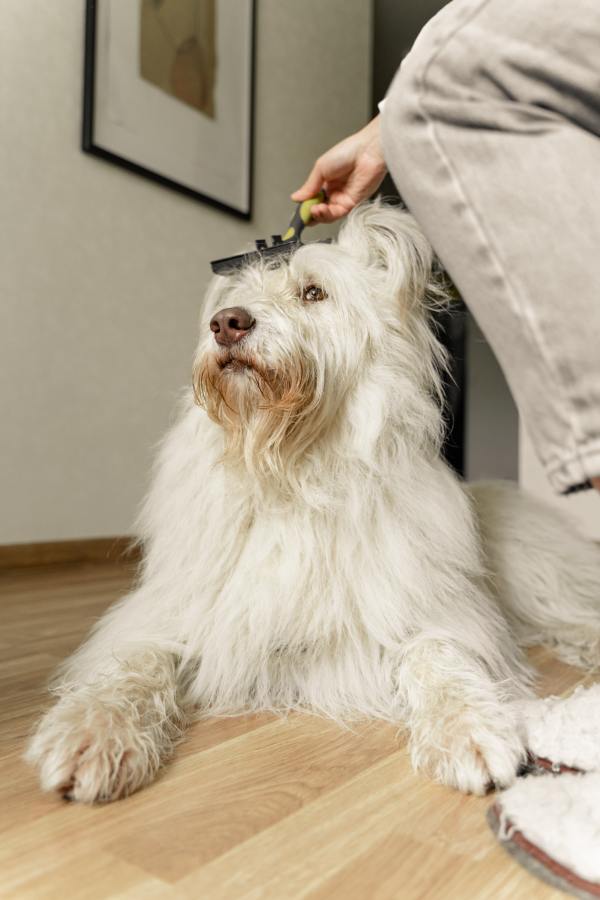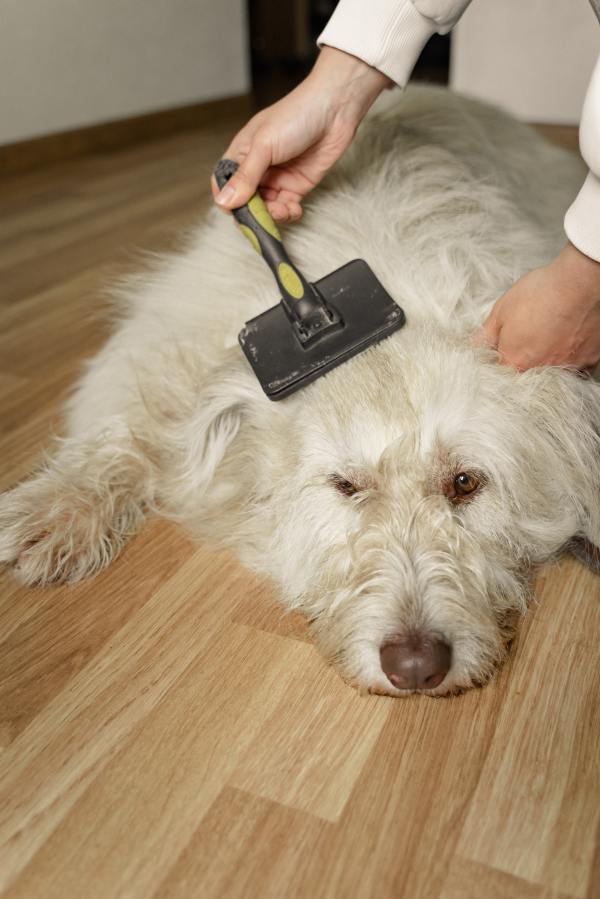
The Secret to a Shiny Coat: Tips for Brushing Dog’s Hair

Welcome, pet parents!

I can’t stress enough how important it is to take care of your furry friend’s coat. A healthy coat is not only visually pleasing, but it also plays a vital role in your dog’s overall health and wellbeing. In this blog, we’ll discuss the importance of brushing your dog’s hair, different types of brushes, and how often you should be brushing based on your dog’s breed.

Different Breeds, Different Hair Types:

 Let’s talk about the different types of hair your dog may have. There are three main types: wiry, curly, and straight. Breeds like Terriers have wiry hair, while Poodles and Bichons have curly hair. Straight-haired breeds include Labradors and Golden Retrievers. Each type of hair requires different types of brushing techniques and tools.

The Importance of Brushing Regular:

Brushing helps remove dead hair and debris, prevent matting and tangles, and distributes natural oils throughout the coat. This promotes healthy hair growth and can even reduce the risk of skin infections. Plus, it’s a great way to bond with your furry friend and keep them looking their best!

Types of Brushes:

Now, let’s talk about the different types of brushes you should use for your dog’s hair. Slicker brushes work best for curly hair, while bristle brushes are great for straight hair. For wiry hair, you’ll want a pin brush or a comb. It’s important to choose the right brush for your dog’s coat to avoid damaging their hair or causing discomfort.

How Often Should You Brush?

How often you should brush your dog’s hair depends on their breed and hair type. Generally, dogs with longer or thicker coats will require more frequent brushing than those with shorter coats. For example, a Poodle may need to be brushed daily, while a Labrador may only need to be brushed once a week.

In Conclusion Brushing your dog’s hair may seem like a tedious task, but it’s a crucial part of their overall health and wellbeing. By understanding your dog’s breed and hair type, using the right brushes, and maintaining a regular brushing routine, you can ensure that your furry friend has a healthy, shiny coat. Happy brushing, pet parents!

What are some of your tips and tricks for brushing your dog’s hair? Share in the comments below!
Leave a comment

Essential Grooming Supplies!

Hi there, fellow pet lovers!

As a passionate pet owner, I’ve learned that proper grooming is essential for the health and happiness of our furry friends. But in order to give them the best grooming possible, we need to have the right supplies on hand. In this blog post, I will be discussing some of the essential grooming supplies that every pet owner should have.

  1. Brush: A good brush is essential for keeping your pet’s coat healthy and shiny. The type of brush you need will depend on your pet’s coat type, but a slicker brush or a comb are good options for most pets. If your pet has a thick or double coat, you may also need an undercoat rake.
  2. Shampoo: Using a pet-friendly shampoo is important for keeping your pet’s coat clean and healthy. Look for a shampoo that is specifically designed for your pet’s coat type and needs. For example, if your pet has sensitive skin, you may need a hypoallergenic shampoo.
  3. Nail Clippers: Keeping your pet’s nails trimmed is important for their health and comfort. Using a good quality nail clipper designed for pets is essential to avoid cutting the quick. A nail grinder is another option that can be gentler on your pet’s nails.
  4. Toothbrush and Toothpaste: Dental hygiene is just as important for pets as it is for humans. Brushing your pet’s teeth regularly helps to prevent dental problems and keep their breath fresh. A soft-bristled toothbrush and pet-specific toothpaste are both important for this task.
  5. Ear Cleaner: Keeping your pet’s ears clean is important to prevent ear infections and other ear-related problems. Using a pet-friendly ear cleaner and a soft cloth or cotton ball is the safest and most effective way to clean your pet’s ears.

Having the right grooming supplies on hand is essential for keeping our pets healthy, happy, and looking their best. By investing in good quality grooming supplies and using them regularly, we can give our furry friends the care they deserve. Remember to always use pet-specific products and be gentle and patient when grooming your pet.

Stay tuned for an exciting review of some of the essential grooming tools we listed earlier! We will be taking a closer look at each of these tools and discussing their features and benefits in more detail. From the different types of brushes and combs available to the importance of using pet-specific shampoos, we will cover it all. Plus, we will be sharing some tips and tricks on how to use these tools effectively to keep your pet looking and feeling their best. So, stay tuned for this informative and exciting review and discover how these essential grooming tools can help you take the best care of your furry friend!

Happy Grooming!!

Different Grooming Techniques!

Hello fellow pet lovers!

As a pet enthusiast, I have learned that proper grooming is not only important for your pet’s hygiene but also for their overall health and well-being. In this blog post, I will be discussing some of the best grooming techniques that I’ve learned over the years.

  1. Brushing: Brushing your pet’s coat regularly is essential to remove tangles, mats, and loose fur. It also helps to distribute the natural oils throughout their coat, keeping it healthy and shiny. The type of brush you use will depend on your pet’s coat type, but a slicker brush or a comb are good options for most pets.
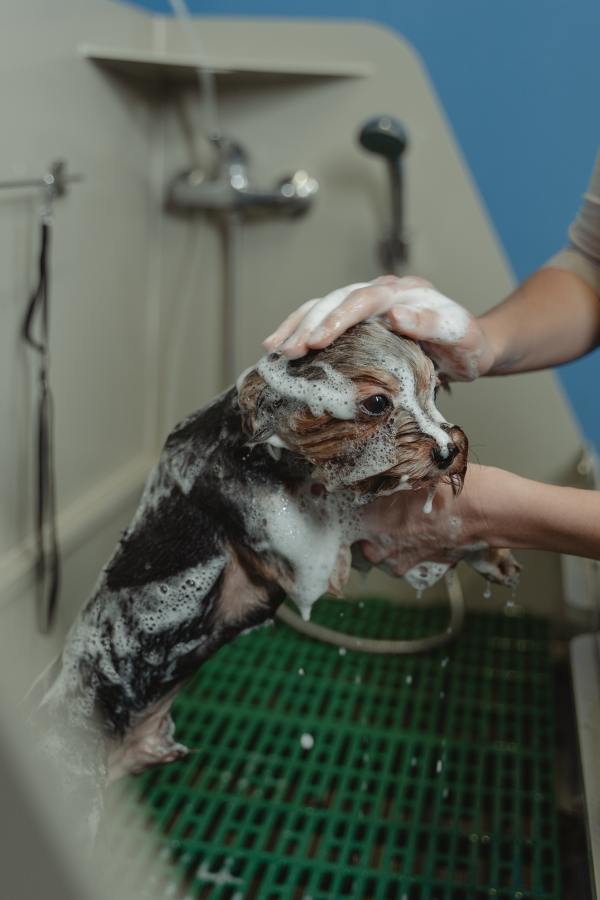
  2. Bathing: Regular bathing helps to keep your pet clean and healthy. The frequency of baths will depend on your pet’s breed and activity level, but typically once a month is sufficient. Be sure to use a pet-friendly shampoo and rinse thoroughly to avoid any skin irritations.
  3. Nail trimming: Keeping your pet’s nails trimmed is essential to prevent them from getting too long and causing discomfort or even injury. Be sure to use pet-specific nail clippers and trim the tips of the nails, being careful not to cut too close to the quick.
  4. Teeth cleaning: Dental health is just as important for pets as it is for humans. Regular teeth cleaning helps to prevent dental issues and keeps your pet’s breath fresh. You can use a soft-bristled toothbrush and pet-friendly toothpaste to clean your pet’s teeth.
  5. Ear cleaning: Cleaning your pet’s ears helps to prevent ear infections and remove any buildup of wax or debris. Be sure to use a pet-friendly ear cleaner and a soft cloth or cotton ball to clean the outer part of the ear.
  6. Hair Trimming: Trimming your dog’s hair helps to keep it tidy and prevent mats and tangles. It’s important to use proper tools and to avoid cutting too close to the skin.
  7. Paw Care: Checking and cleaning your dog’s paws helps to prevent infections and remove debris. It’s also important to trim the hair between the paw pads and to check for any cuts or injuries.

In conclusion, proper grooming is essential for the health and well-being of our furry friends. By following these grooming techniques, we can keep our pets healthy, clean, and happy. Remember to always use pet-friendly grooming products and be patient and gentle when grooming your pet. Happy grooming!

Grooming For Different Breeds!

Hello fellow pet lovers!

I’m here to talk about the importance of grooming for different dog breeds. Every breed has its unique grooming needs that are important to keep in mind to ensure they look and feel their best. As a proud owner of a variety of dog breeds, I’ve learned a lot about how to groom them effectively, so I’m excited to share this information with you today!

  1. Short-Haired Breeds: Breeds such as Beagles, Boxers, and Dobermans have short hair that doesn’t require much maintenance. However, regular brushing helps remove loose fur, dirt, and dander, which can contribute to a healthy coat. Bathing should be done every 6-8 weeks with a pet-specific shampoo to avoid drying out their skin.
  2. Long-Haired Breeds: Breeds like the Shih Tzu, Poodle, and Maltese require more frequent grooming due to their long hair. Brushing daily or every other day is essential to prevent mats and tangles, and trimming should be done every 4-6 weeks to keep the coat looking tidy.
  3. Double-Coated Breeds: Breeds such as Huskies and Golden Retrievers have a thick undercoat and longer topcoat that requires regular brushing to prevent mats and tangles. During shedding season, more frequent brushing is recommended to remove dead hair and keep the coat healthy.
  4. Wire-Haired Breeds: Breeds such as the Terrier and Schnauzer have a wiry coat that requires more maintenance. Regular brushing and trimming every 8-10 weeks are necessary to maintain a healthy coat and prevent matting.
  5. Curly-Coated Breeds: Breeds such as the Bichon Frise and Poodle have a curly coat that requires regular brushing and trimming every 6-8 weeks. Professional grooming is recommended every 4-6 weeks to keep the coat looking its best.

In conclusion, grooming plays a crucial role in maintaining the overall health and appearance of our furry friends. Every breed has unique grooming needs that should be taken into consideration when developing a grooming routine. Regular grooming not only keeps our pets looking and feeling good, but also helps to prevent potential health issues. So, let’s all commit to giving our pets the best grooming care possible and keeping them happy and healthy!

Grooming Mistakes To Avoid

Hey there fellow pet lovers!

I am a huge advocate for pet grooming. Grooming is an important aspect of pet care that not only keeps our furry friends looking good but also promotes their overall health and well-being. However, as much as we want to do what’s best for our pets, sometimes we make mistakes when it comes to grooming. That’s why I wanted to share with you some common grooming mistakes to avoid.

  1. Over-bathing: While bathing is an important part of grooming, over-bathing can strip your pet’s skin and coat of natural oils, leading to dryness and irritation. It’s important to follow a bathing schedule that’s appropriate for your pet’s breed and skin type, and to use a pet-specific shampoo.
  2. Cutting Nails Too Short: Cutting your pet’s nails too short can be painful and cause bleeding. It’s important to use proper nail trimmers and to be cautious when trimming. If you’re unsure, seek the advice of a professional groomer or veterinarian.
  3. Not Brushing Regularly: Regular brushing helps to remove loose fur, dirt, and mats from your pet’s coat. Skipping regular brushing can lead to mats and tangles that can be uncomfortable and even painful for your pet.
  4. Using Human Products: It’s important to use grooming products that are specifically designed for pets. Human products, such as shampoo or perfume, can be harmful to pets and cause skin irritation.
  5. Neglecting Teeth Cleaning: Dental care is an important part of pet grooming. Neglecting to clean your pet’s teeth can lead to dental issues such as gum disease and tooth decay. Use pet-specific toothpaste and toothbrushes to clean your pet’s teeth regularly.
  6. Not Grooming According to Breed: Different breeds have different grooming needs, so it’s important to research and understand the specific requirements for your pet’s breed. For example, long-haired breeds may require more frequent brushing and trimming to prevent mats and tangles.

In conclusion, avoiding common grooming mistakes is an important part of keeping our pets healthy and happy. By following proper grooming techniques and avoiding these mistakes, we can ensure that our furry friends look and feel their best. Let’s all make a commitment to prioritize pet grooming and give our pets the care they deserve!

Blog at WordPress.com.

Up ↑