The “No” Replacement Method: What to Teach Instead of Correcting Your Dog
You say “no.”
Your dog pauses for half a second.
Then they jump again, chew again, bark again, grab the sock again, or stare at you like they heard a random human noise and decided it had nothing to do with them.
Sound familiar?
Here is the problem: most dogs do not fail because they are stubborn. They fail because “no” only tells them what you dislike. It does not clearly teach them what you want instead.
That is where the No Replacement Method comes in.
Instead of only correcting your dog, you replace the unwanted behavior with a specific behavior your dog can actually succeed at.
Not this: “No jumping!” Try this: “Sit to greet people.”
Not this: “No chewing!” Try this: “Chew this toy instead.”
Not this: “No pulling!” Try this: “Walk next to me and check in.”
This one mindset shift can make your training calmer, clearer, and much easier for your dog to understand.

Quick Win: Use This Today
The next time your dog does something you do not want, ask yourself one question before reacting:
“What do I want my dog to do instead?”
That answer becomes your training plan.
If your dog jumps, teach sit. If your dog steals socks, teach drop it or trade. If your dog barks at the window, teach place or come away. If your dog pulls on leash, teach check-in and loose leash walking.
Correction stops a moment. Replacement builds a habit.
Why Saying “No” Usually Does Not Work
“No” feels clear to humans because we understand language, context, tone, and rules.
Dogs do not naturally understand any of that.
When you say “no,” your dog may wonder:
- No jumping?
- No barking?
- No moving?
- No being near the guest?
- No looking at the squirrel?
- No touching the sock?
Even if your dog stops for a second, they may not know what behavior earns your approval.
That creates a training gap.
And dogs fill gaps with whatever behavior feels most natural, exciting, or rewarding in the moment.
Dogs Repeat What Works
Dogs are practical learners.
If jumping gets attention, they jump. If barking makes the delivery driver leave, they bark. If stealing a sock starts a chase game, they steal socks. If pulling gets them to the smell faster, they pull.
Your job is not just to stop the behavior. Your job is to make a better behavior work instead.
That is the heart of positive reinforcement dog training.
What Is the “No” Replacement Method?
The No Replacement Method is a simple dog training approach where you replace an unwanted behavior with a clear, teachable, rewardable behavior.
It follows this formula:
- Notice the unwanted behavior
- Identify what your dog wants
- Choose a better replacement behavior
- Teach and reward the replacement
- Manage the environment so the old behavior stops paying off
You are not ignoring bad behavior. You are teaching a better path.
Think of it like giving your dog a map instead of only honking when they take the wrong turn.
The 5-Step No Replacement Method
Step 1: Name the Behavior You Want to Change
Be specific.
Do not say, “My dog is bad.”
Say:
- “My dog jumps on guests.”
- “My dog chews shoes.”
- “My dog barks at dogs through the window.”
- “My dog pulls toward smells on walks.”
- “My puppy bites my hands during play.”
Specific problems are easier to train.
Vague frustration leads to random corrections.
Step 2: Ask What Your Dog Is Getting From It
Every behavior has a payoff.
Your dog may be getting:
- Attention
- Food
- Play
- Access to something exciting
- Relief from boredom
- Distance from something scary
- A fun reaction from you
This matters because the replacement behavior should meet the same need in a better way.
Example: If your dog jumps because they want attention, the replacement should teach them how to get attention politely.
That could be sitting.
Step 3: Choose One Replacement Behavior
Pick one clear behavior your dog can do instead.
Good replacement behaviors are:
- Simple
- Specific
- Easy to reward
- Compatible with the situation
- Realistic for your dog’s age and skill level
Examples:
- Jumping -> Sit
- Barking at window -> Come away from the window
- Chewing furniture -> Chew a toy
- Stealing items -> Drop it or trade
- Pulling on leash -> Walk with slack in the leash
- Begging at dinner -> Go to place
- Puppy biting -> Bite a toy instead of hands
Do not try to teach five replacements at once. Start with one.
Step 4: Reward the Replacement Fast
Timing matters.
When your dog does the replacement behavior, reward quickly so they connect the dots.
Rewards can include:
- Treats
- Praise
- Play
- Access to a toy
- Going outside
- Moving forward on a walk
- Greeting a person
A reward is not always food. A reward is anything your dog wants enough to work for.
For beginners, treats are helpful because they are clear, fast, and easy to repeat.
Step 5: Stop Accidentally Rewarding the Old Behavior
This is where many owners get stuck.
They teach the new behavior, but the old behavior still works.
For example:
- Dog jumps -> owner talks, touches, or pushes dog away -> dog gets attention
- Dog barks -> owner yells -> dog gets a reaction
- Dog steals sock -> owner chases -> dog gets a game
- Dog pulls -> owner follows -> dog gets to the smell
If the unwanted behavior keeps paying, your dog will keep trying it.
So you need both sides:
- Reward the replacement behavior
- Remove the payoff from the unwanted behavior when possible
That combination is powerful.
Real-Life Examples of What to Teach Instead of “No”
Instead of “No Jumping,” Teach “Sit to Say Hello”
Jumping is usually not disrespect. It is excitement.
Your dog sees a person and wants access, attention, and contact.
If you only say “no,” your dog still has all that excitement with nowhere to put it.
Teach this instead:
- Keep your dog on leash when guests arrive.
- Ask for a sit before the person greets them.
- Reward the sit with praise, treats, or calm attention.
- If your dog jumps, the greeting pauses.
- When your dog sits again, the greeting continues.
Your dog learns:
Sitting makes people come closer. Jumping makes the greeting stop.
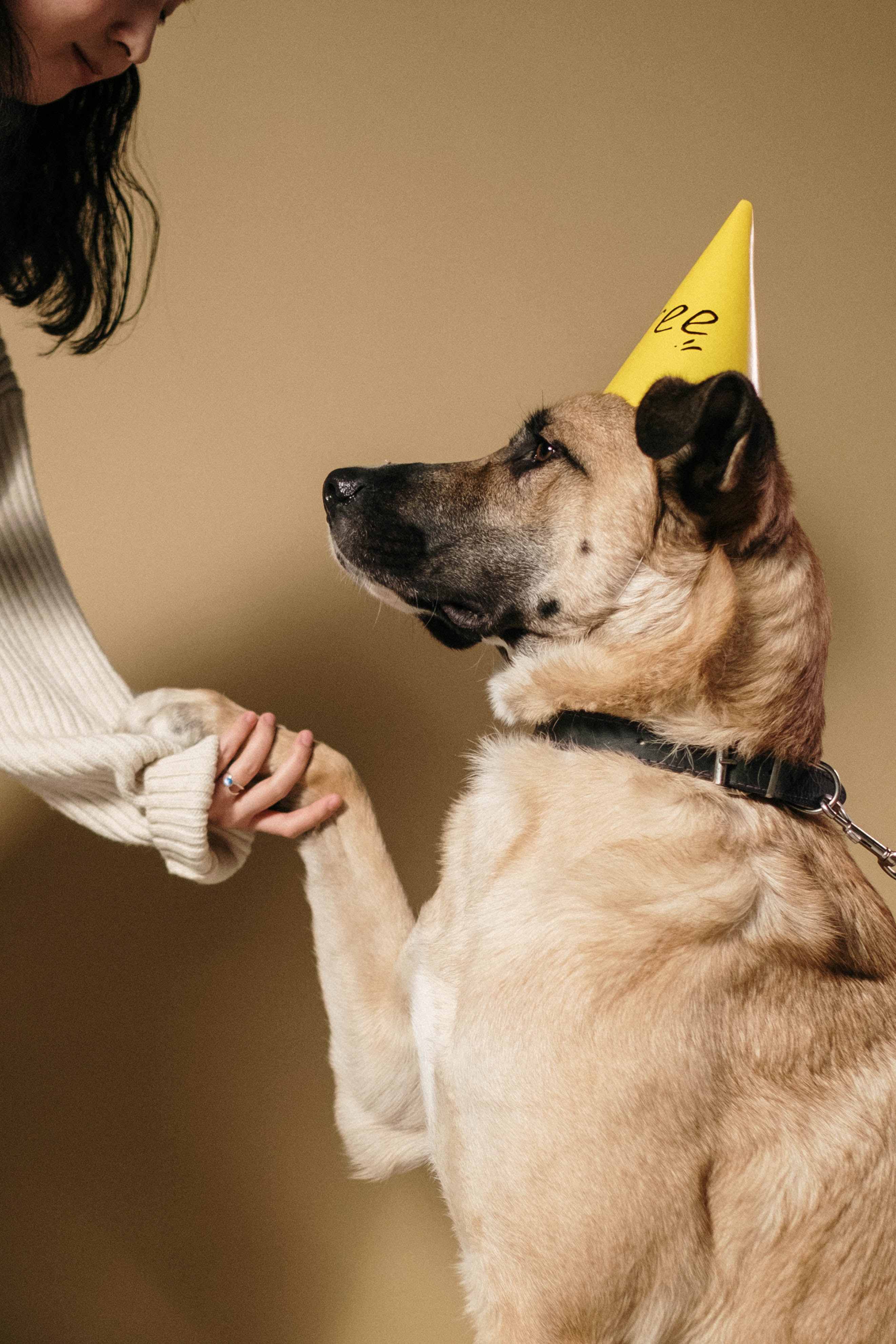
That is clear.
Beginner Tip
Practice with low-excitement people first. Do not start with your dog’s favorite human who squeals and drops to the floor.
Set your dog up to win.
Instead of “No Chewing,” Teach “Chew This”
Chewing is normal dog behavior, especially for puppies.
The goal is not to eliminate chewing. The goal is to direct it.
Teach this instead:
- Puppy-proof the area.
- Remove shoes, cords, socks, and tempting items.
- Offer safe chew toys.
- Praise your dog when they choose the toy.
- If they grab the wrong item, calmly trade for an approved chew.
Your dog learns:
These objects are for chewing. Those objects are not available.
This is much clearer than yelling after your shoe is already destroyed.
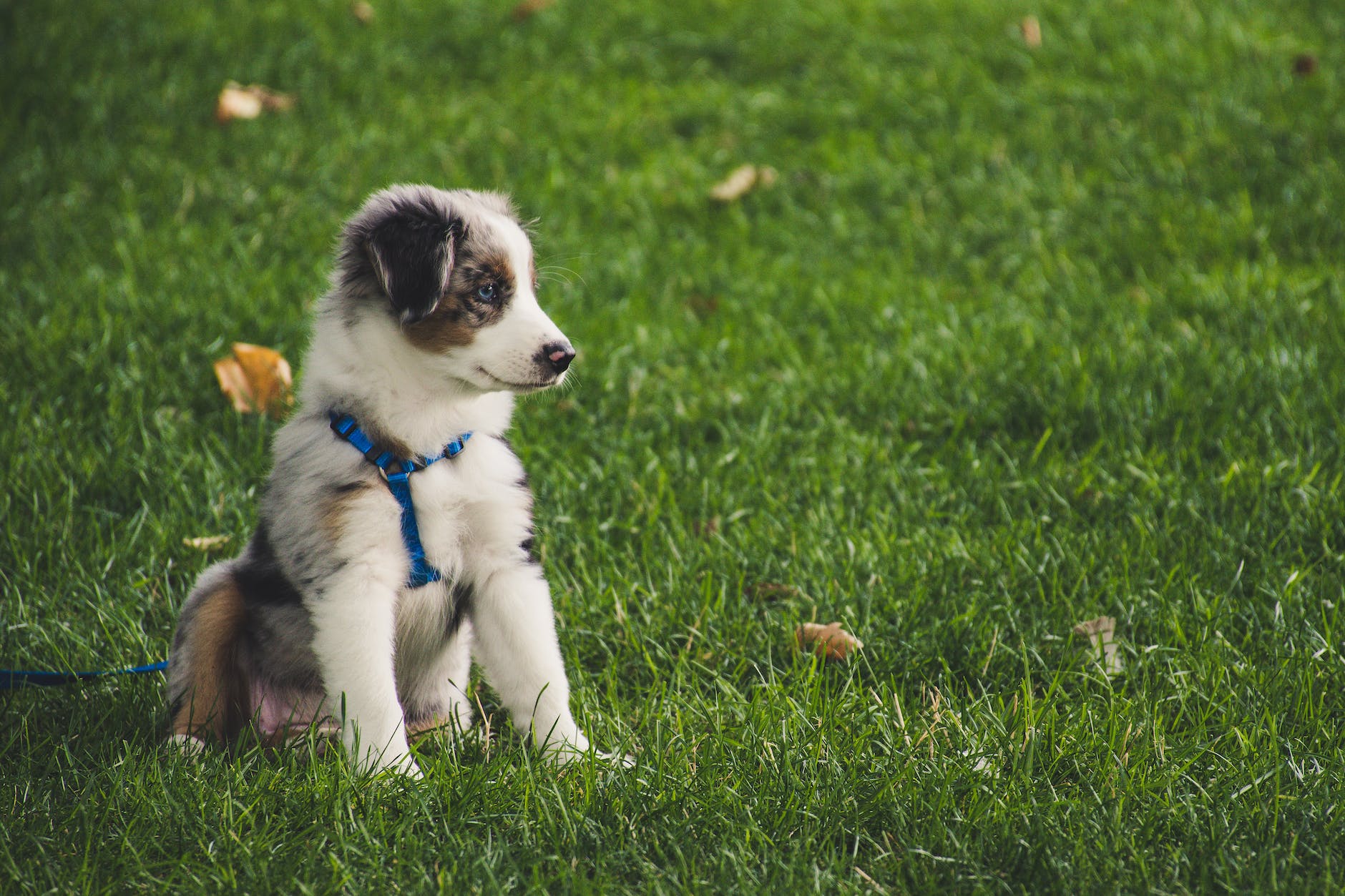
Important Safety Note
Choose chew toys based on your dog’s size, chewing strength, and supervision needs. If a toy breaks into pieces, remove it.
Instead of “No Barking,” Teach “Come Away” or “Place”
Barking can happen for many reasons: alerting, fear, boredom, frustration, excitement, or attention.
Before training, ask what type of barking you are dealing with.
For window barking, teach this:
- Say your cue: “Come” or “away.”
- Move a few steps from the window.
- Reward your dog when they follow you.
- Practice before they are fully worked up.
- Add a “place” cue so they settle on a bed or mat.
Your dog learns:
When something appears outside, I can come to my person and get rewarded instead of exploding at the window.
You may also need to block visual triggers with curtains, window film, or management while training.
Training plus environment setup beats yelling from across the room.
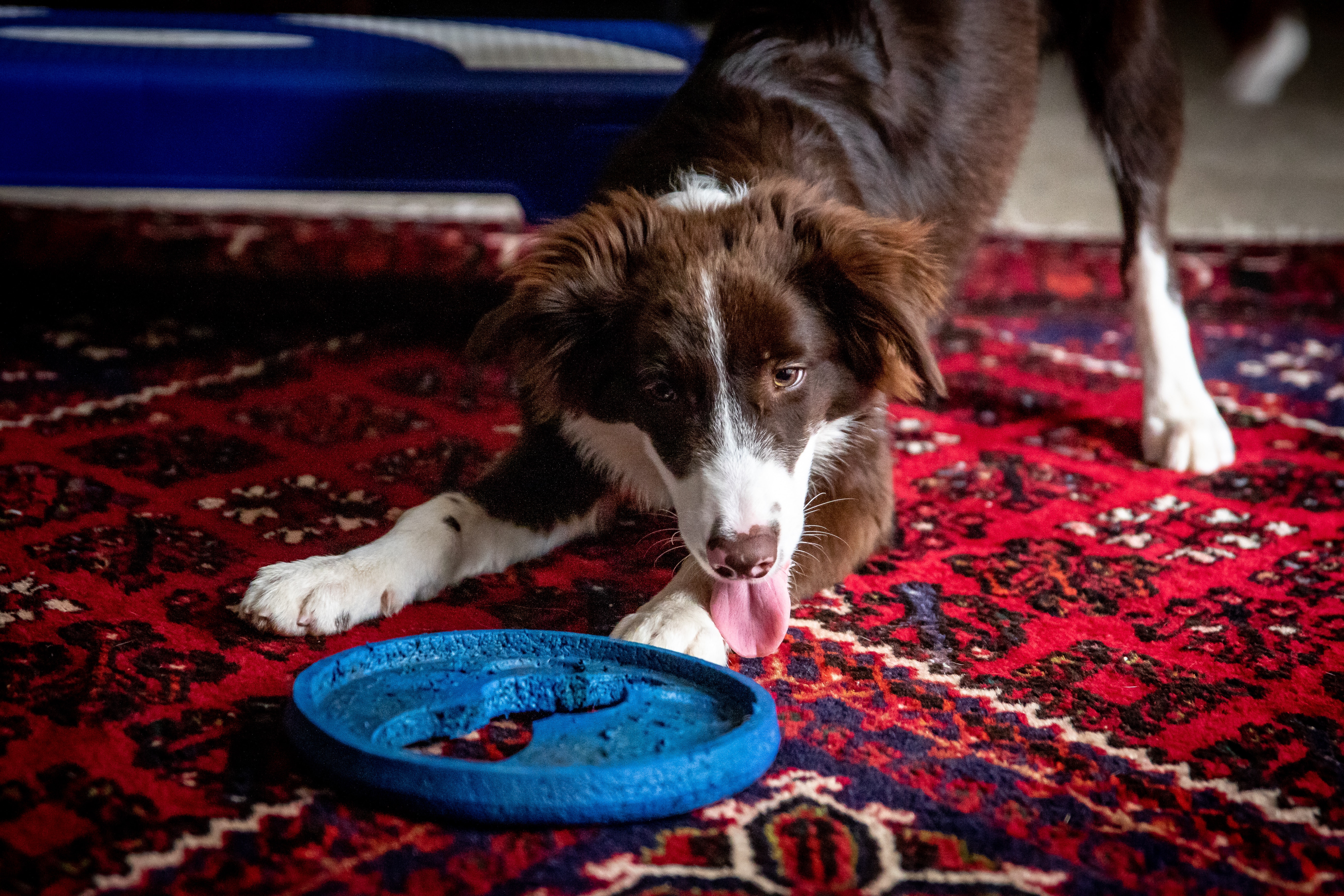
Instead of “No Pulling,” Teach “Check In”
Dogs pull because pulling works.
They smell something exciting, pull toward it, and often get to reach it.
So the leash tightness becomes part of the habit.
Teach this instead:
- Start in a low-distraction area.
- Reward your dog for looking back at you.
- Take a few steps with a loose leash.
- Reward near your leg.
- If the leash tightens, stop moving.
- Continue when the leash softens or your dog checks in.
Your dog learns:
Loose leash and attention make the walk continue. Pulling makes forward movement pause.
This is not about controlling every step. It is about teaching your dog how to move with you.
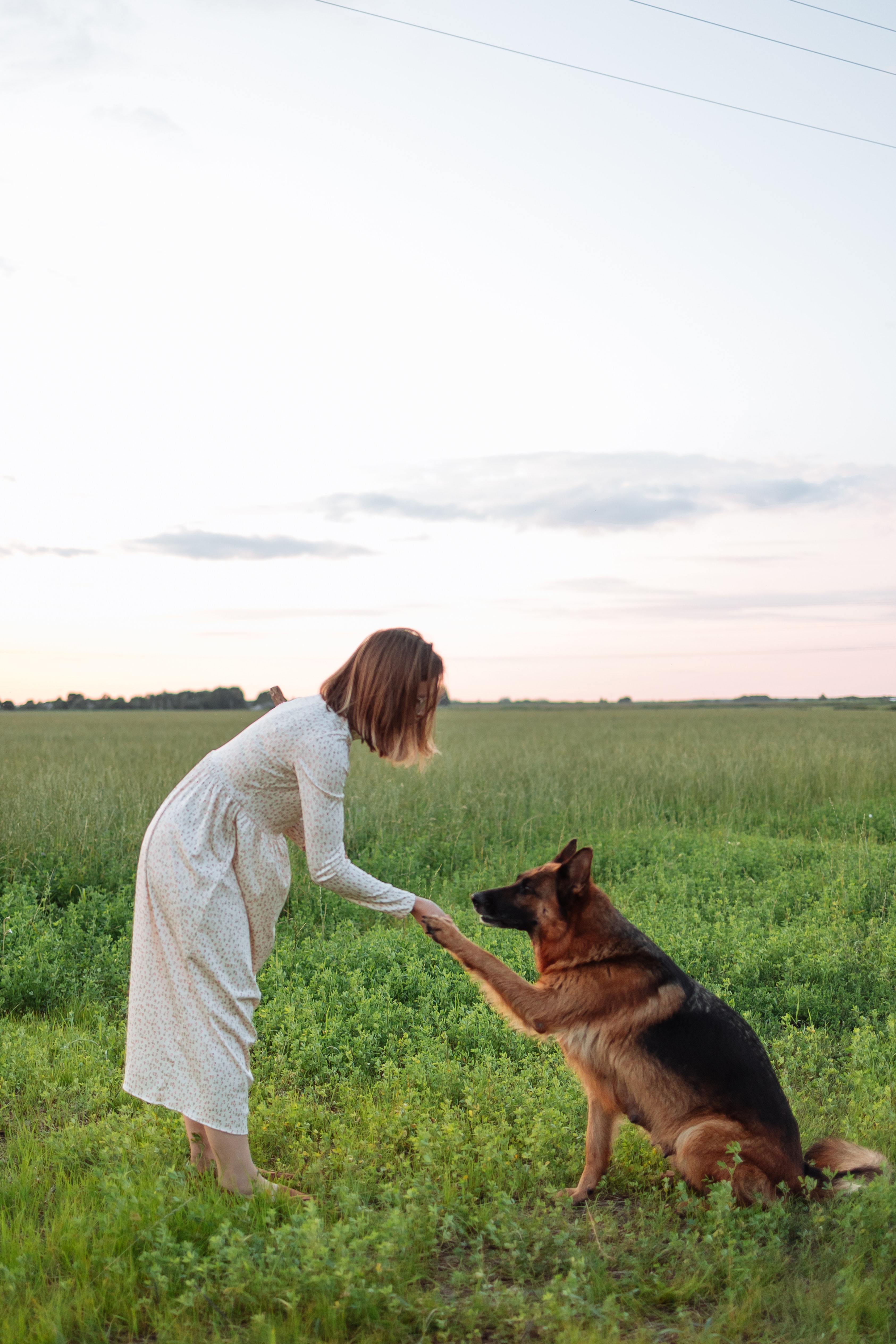
Instead of “No Biting,” Teach “Bite the Toy”
Puppy biting is one of the most frustrating beginner dog owner problems.
But puppies explore with their mouths. They also bite more when they are tired, overstimulated, or playing too rough.
Teach this instead:
- Keep toys nearby during play.
- When teeth touch skin, pause briefly.
- Redirect to a toy.
- Praise when your puppy bites the toy.
- End play calmly if biting continues.
Your puppy learns:
Toys keep the game going. Skin makes the game pause.
If your puppy turns into a tiny land shark every evening, they may need more sleep, not more correction.
Instead of “No Stealing,” Teach “Drop It” or “Trade”
Many dogs steal because it creates excitement.
They grab a sock. You gasp. You chase. They run.
Congratulations. The sock is now the best toy in the house.
Teach this instead:
- Offer a treat or toy near your dog’s nose.
- When they release the item, say “drop it.”
- Reward immediately.
- Return safe items sometimes so your dog does not think drop always means losing everything.
- Practice with boring objects before high-value items.
Your dog learns:
Letting go makes good things happen.
That is much safer than turning every stolen object into a battle.
Instead of “No Begging,” Teach “Go to Place”
Begging at the table is often accidentally trained by humans.
One bite of chicken can create weeks of hope.
Teach this instead:
- Choose a bed, mat, or crate nearby.
- Teach your dog to go there before meals.
- Reward them for staying there.
- Give a safe chew or stuffed toy if needed.
- Do not feed from the table.
Your dog learns:
Being on my place during dinner pays. Begging does not.
This is easier than saying “no” twenty times while your dog stares into your soul.
Does This Mean You Can Never Say “No”?
No, you do not have to ban the word forever.
A calm interrupter can be useful in some situations.
But “no” should not be your whole training plan.
If you interrupt a behavior, immediately redirect your dog to something better.
Use this pattern:
Interrupt -> Redirect -> Reward
Example:
- “Ah-ah” or “leave it”
- Ask for “come,” “sit,” “place,” or “drop it”
- Reward the correct behavior
The replacement is what teaches.
The word “no” only interrupts.
The Biggest Mistake: Correcting Without Teaching
Many owners accidentally get stuck in correction mode.
They say:
- No
- Stop
- Quit
- Leave it
- Get down
- Don’t
- Enough
But the dog never learns what behavior earns the reward.
This creates frustration on both sides.
Your dog gets more confused. You get more annoyed. Training starts feeling like a daily argument.
The No Replacement Method changes the conversation.
Instead of asking, “How do I stop this?” ask:
“What skill is missing?”
That question turns behavior problems into training opportunities.
How to Pick the Right Replacement Behavior
Use this simple guide.
If Your Dog Wants Attention
Teach:
- Sit
- Eye contact
- Four paws on the floor
- Bring a toy
- Calm greeting
Best for:
- Jumping
- Pawing
- Barking at you
- Nudging
- Whining for attention
If Your Dog Wants Access to Something
Teach:
- Wait
- Sit
- Loose leash walking
- Check in
- Release cue
Best for:
- Door rushing
- Pulling on leash
- Bolting from crate
- Grabbing food
If Your Dog Is Overexcited
Teach:
- Place
- Settle
- Find it
- Hand target
- Calm leash walking
Best for:
- Guest chaos
- Evening zoomies
- Barking
- Puppy biting
If Your Dog Is Scared or Reactive
Teach:
- Look at me
- Let’s go
- Find it
- Move away calmly
- Relaxation skills
Best for:
- Barking at dogs
- Lunging
- Hiding
- Growling
- Startle reactions
If your dog shows aggression, intense fear, repeated biting, or behavior that feels unsafe, work with a qualified positive reinforcement trainer or veterinary behavior professional.
A Simple Training Template You Can Copy
Use this for almost any behavior problem.
Problem behavior: My dog ________. My dog gets: ________. Replacement behavior: I will teach my dog to ________. Reward: My dog will earn ________. Management: I will prevent practice by ________. Practice time: We will train for ___ minutes per day.
Example:
Problem behavior: My dog jumps on guests. My dog gets: Attention and greeting. Replacement behavior: Sit to say hello. Reward: Calm petting and treats. Management: Use a leash when guests enter. Practice time: 5 minutes per day.
Training gets easier when the plan is this clear.
How Long Does It Take to Replace a Behavior?
It depends on:
- How long your dog has practiced the old behavior
- How rewarding the old behavior is
- Your dog’s age and energy level
- Your timing and consistency
- The environment
- How often you practice
Some dogs improve quickly. Others need weeks of repetition.
That does not mean the method is failing.
It means habits take practice.
A dog who has jumped on guests for two years will not become perfect after two sessions. But with a clear replacement, they finally know what to do.
How to Make the No Replacement Method Work Faster
Train Before the Problem Happens
Do not wait until your dog is already wild.
Practice sit before guests arrive. Practice leash check-ins before the squirrel appears. Practice drop it before your dog steals something valuable. Practice place before dinner starts.
Dogs learn best before they are overwhelmed.
Keep Sessions Short
Beginner dog training works best in small sessions.
Try:
- 3 to 5 minutes
- 1 to 3 times per day
- One skill at a time
- Easy wins first
Short, successful practice beats long, frustrating sessions.
Reward the Smallest Good Choice
Do not wait for perfection.
Reward:
- One second of calm
- One glance at you
- One step with a loose leash
- One chew on the correct toy
- One sit before jumping
Small wins become big habits.
Be Consistent With the Payoff
If sit earns attention one day, but jumping earns attention the next, your dog will keep testing both.
Make the rules simple:
- Good choices work
- Unwanted behaviors stop working
- Humans stay calm and predictable
Predictability helps dogs learn.
What If Your Dog Ignores the Replacement Behavior?
If your dog ignores you, do not assume they are being stubborn.
Check these first:
- Is the environment too distracting?
- Is the reward valuable enough?
- Does your dog actually know the cue?
- Are you asking too late?
- Is your dog tired, scared, or overstimulated?
- Have they practiced the old behavior too many times?
Lower the difficulty.
Move farther from the trigger. Use better rewards. Practice in easier situations. Train before the chaos starts.
Good training is not about overpowering your dog. It is about making the right choice easier.
The No Replacement Method Cheat Sheet
| Problem Behavior | What Your Dog May Want | Teach Instead | Reward With |
|---|---|---|---|
| Jumping on people | Attention | Sit to greet | Petting, treats, greeting |
| Chewing shoes | Chewing relief | Chew toy | Praise, toy access |
| Barking at window | Alerting/reaction | Come away or place | Treats, calm praise |
| Pulling on leash | Access to smells | Check in/loose leash | Forward movement, treats |
| Puppy biting | Play/teething | Bite toy | Continued play |
| Stealing socks | Chase/attention | Drop it/trade | Treat, toy, praise |
| Begging | Food | Go to place | Chew, mat reward |
| Door rushing | Outside access | Wait | Door opens |
Save this table. It is the basic structure behind most everyday dog training.
When Correction May Be a Sign You Need Management
Sometimes your dog is not ready for more freedom yet.
That is not failure. That is normal.
Management means setting up the environment so your dog cannot keep practicing the unwanted behavior.
Examples:
- Use baby gates
- Keep shoes in a closet
- Close blinds during trigger-heavy times
- Use a leash when guests arrive
- Give a chew during dinner
- Use a crate or playpen when you cannot supervise
- Keep trash secured
Management is not cheating. It is smart training.
You cannot teach a dog not to steal food while leaving a sandwich on the edge of the table and walking away.
Set the dog up to win.
Why This Method Builds Trust
Dogs learn better when training feels clear and safe.
Constant correction can make some dogs anxious, frustrated, or confused, especially sensitive puppies and rescue dogs.
Replacement training gives your dog a job.
It says:
“Here is what works. Try this.”
That builds confidence.
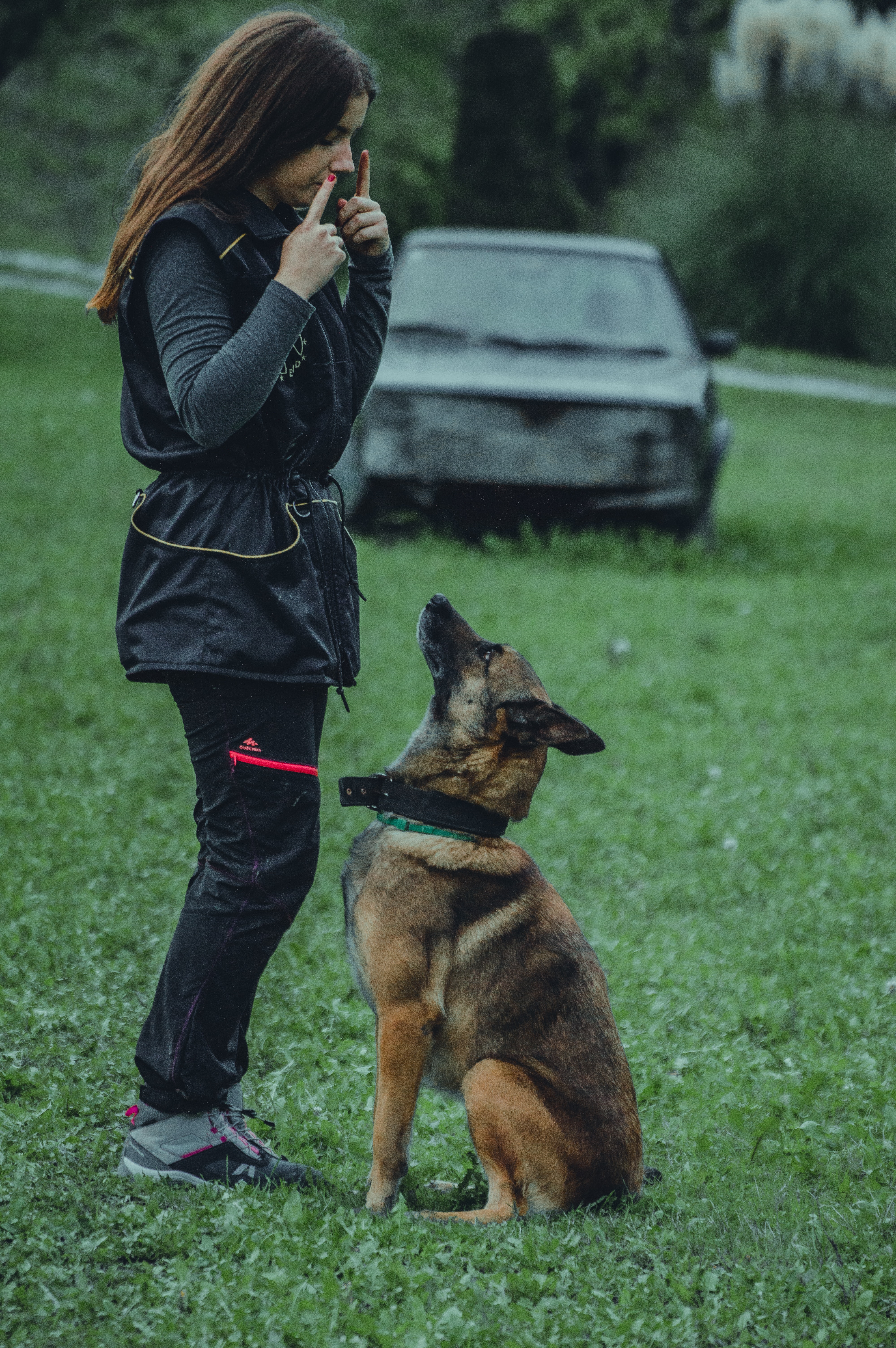
And when your dog understands how to succeed, they are more likely to listen, relax, and trust your guidance.
Final Thoughts: Stop Arguing, Start Teaching
If you feel like you say “no” all day, you are not alone.
Most dog owners have been there.
But your dog does not need more random corrections. They need clearer instructions.
The next time your dog does something frustrating, pause and ask:
“What do I want instead?”
Then teach that.
Because the goal is not just to stop bad behavior.
The goal is to build better behavior your dog understands, repeats, and feels good doing.
That is how training becomes less of a battle and more of a partnership.
FAQ: The “No” Replacement Method
Is it bad to tell my dog no?
No, it is not automatically bad to say “no.” The problem is relying on “no” without teaching your dog what to do instead. A calm interruption can help, but the replacement behavior is what creates lasting change.
What should I say instead of no to my dog?
Use a cue that tells your dog exactly what to do, such as “sit,” “come,” “drop it,” “leave it,” “place,” or “let’s go.” The best cue depends on the situation and the behavior you want to replace.
How do I correct my dog without punishment?
Interrupt calmly, redirect your dog to a better behavior, and reward that behavior. Also manage the environment so the unwanted behavior does not keep working. This teaches your dog how to succeed instead of only making them afraid of mistakes.
What is a replacement behavior in dog training?
A replacement behavior is a specific action you teach your dog to do instead of an unwanted behavior. For example, teaching “sit” instead of jumping, “drop it” instead of stealing, or “place” instead of begging at the table.
Why does my dog keep doing bad behavior after I say no?
Your dog may not understand what “no” means, or the unwanted behavior may still be rewarding. If jumping gets attention or pulling gets your dog to a smell, they will likely repeat it unless you teach and reward a better option.
How long does it take to replace bad dog behavior?
Some behaviors improve in days, while long-standing habits may take weeks or longer. Consistency, timing, rewards, environment management, and your dog’s history all affect progress.
Can I use the No Replacement Method with puppies?
Yes. This method is especially helpful for puppies because they are still learning household rules. Redirect chewing, biting, jumping, and barking into simple behaviors like chewing toys, sitting, settling, and coming when called.
What if my dog gets aggressive when corrected?
Stop using confrontational corrections and contact a qualified positive reinforcement trainer or veterinary behavior professional. Aggression, intense fear, or repeated biting needs careful, professional guidance.
Ready to Train With Less Frustration?
Ready to make training feel calmer and clearer?
Download the free Beginner Dog Training Checklist from RockyNus and start teaching simple replacement behaviors your dog can actually understand.
Then follow RockyNus on TikTok for quick dog training tips you can practice in real life – one small win at a time.
Comment idea for the blog: What behavior does your dog keep repeating: jumping, barking, chewing, pulling, or stealing things? Drop it in the comments and use the No Replacement Method to choose what you will teach instead.
Keep Learning on RockyNus
Want to keep building better habits with your dog? Read these related RockyNus guides next: