Interactive Toys and Puzzles: The Key to Keeping Your Dog Mentally Stimulated and Engaged

As a responsible dog owner, you are probably aware of the importance of providing your furry friend with plenty of exercise, healthy food, and regular veterinary care. However, you may not have considered the crucial role that mental stimulation plays in a dog’s overall health and well-being. Dogs are intelligent creatures that thrive on mental challenges and problem-solving and providing them with interactive toys and puzzles can be an excellent way to keep them mentally engaged and stimulated.

In this post, we will explore the benefits of interactive toys and puzzles for dogs, providing you with specific examples of different types of toys, how they work, and any necessary training or instructions for proper use. We will also discuss why these toys are beneficial for dogs’ mental health and well-being, backed up by relevant research studies and expert opinions.

Benefits of Interactive Toys and Puzzles for Dogs

Dogs, just like humans, need mental stimulation to keep their minds active and healthy. Boredom and lack of mental stimulation can lead to behavioral problems such as excessive barking, destructive chewing, and even aggression. Providing your dog with interactive toys and puzzles can help prevent these issues by keeping them mentally engaged and stimulated.

Interactive toys and puzzles can also help reduce stress and anxiety in dogs. Many dogs experience separation anxiety, especially when left alone for extended periods. Interactive toys can help distract and calm them down by providing a mental challenge and keeping them occupied. Additionally, interactive toys and puzzles can also improve a dog’s problem-solving skills, memory, and overall cognitive function.

Different Types of Interactive Toys and Puzzles for Dogs

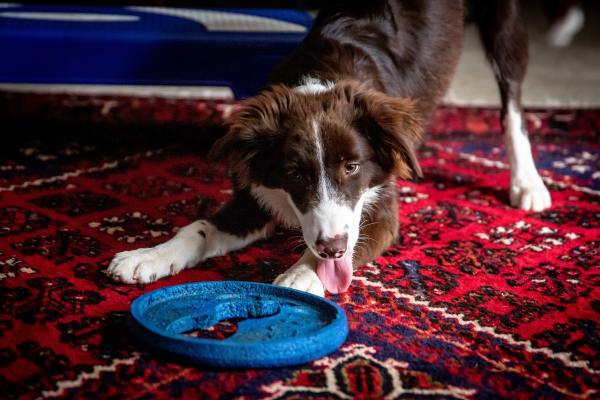
  1. Treat-dispensing Balls: Treat-dispensing balls are hollow balls with holes where treats can be inserted. As your dog plays with the ball, treats will randomly fall out, providing your furry friend with a mental challenge and a tasty reward. Examples of treat-dispensing balls include the Kong Classic Dog Toy and the Busy Buddy Twist ‘n Treat.
  2. Puzzle Feeders: Puzzle feeders are interactive toys that dispense food as your dog solves a puzzle. These toys can help slow down your dog’s eating habits and provide mental stimulation. Examples of puzzle feeders include the Outward Hound Fun Feeder and the Nina Ottosson Dog Tornado.
  3. Agility Equipment: Agility equipment such as jumps, tunnels, and weave poles can provide a physical and mental challenge for your dog. These toys can help improve your dog’s coordination, focus, and problem-solving skills. Training and instruction may be required to properly use agility equipment.

Why Interactive Toys and Puzzles are Beneficial for Dogs’ Mental Health

Studies have shown that interactive toys and puzzles can have a positive impact on dogs’ mental health and well-being. For example, a study conducted by the University of Bristol found that dogs who engage in interactive play have less stress and anxiety than dogs who do not. Additionally, a study by the University of Lincoln found that providing dogs with interactive toys can reduce their risk of developing cognitive decline as they age.

Expert opinions also support the use of interactive toys and puzzles for dogs. According to the American Kennel Club, interactive toys and puzzles can “provide dogs with the physical and mental stimulation they need to live a happy and healthy life.” Additionally, Dr. Karen Becker, a proactive and integrative wellness veterinarian, recommends interactive toys and puzzles as a way to keep dogs mentally stimulated and engaged.

Processing…
Success! You're on the list.

Bulldog: A Friendly and Loyal Companion for Families with Children

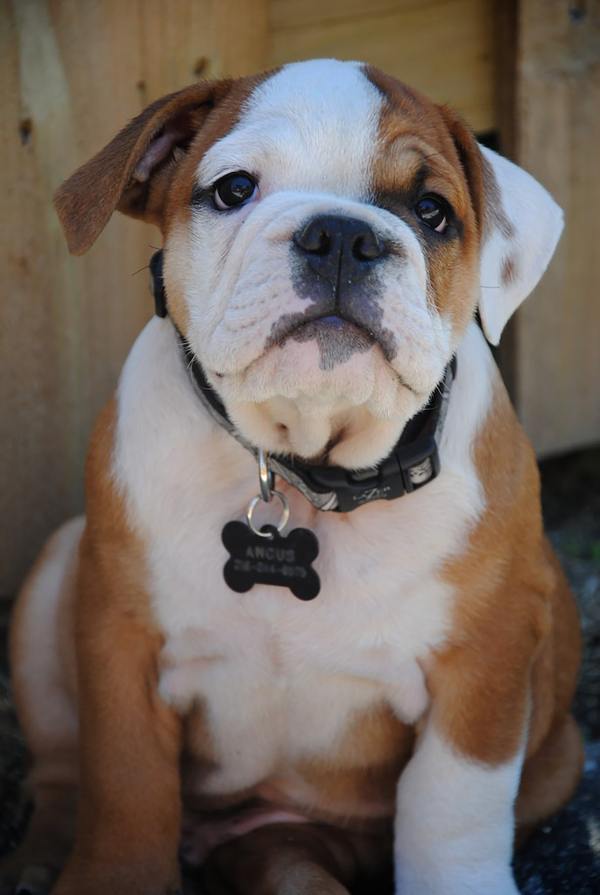
If you’re looking for a dog that is loyal, affectionate, and great with kids, look no further than the Bulldog. This lovable breed is known for its gentle nature and friendly personality, making it an ideal choice for families with young children.

Temperament: Bulldogs have a sweet, affectionate personality that makes them great family pets. They are known for their loyalty and protective nature, which makes them a great watchdog. Bulldogs are also known for their stubborn streak, but with consistent training and socialization, they can be well-behaved and obedient.

Energy level: Bulldogs have a moderate energy level and are known for being fairly lazy. They enjoy lounging around with their owners, but they also love short walks and playtime. This makes them a great choice for families who want a dog that is active but doesn’t require a lot of exercise.

Trainability: Bulldogs can be stubborn and are not always the easiest breed to train, but with patience and consistency, they can be trained to be well-behaved and obedient. Positive Reinforcement techniques work best with Bulldogs, and they respond well to treats and praise.

Size: Bulldogs are a medium-sized breed, with males typically weighing between 50-55 pounds and females weighing 40-50 pounds. They have a sturdy, muscular build and a distinctive wrinkled face.

Shedding: Bulldogs have a short, smooth coat that sheds moderately. Regular brushing can help reduce shedding and keep their coat shiny and healthy.

Exercise Needs: Bulldogs have a moderate exercise requirement and are not overly active. Short walks and playtime in the backyard are usually enough to keep them happy and healthy.

In conclusion, Bulldogs are a great choice for families with kids who want a loyal, affectionate, and low-maintenance pet. With their sweet personality and gentle nature, Bulldogs make wonderful companions for children and adults alike.

Processing…
Success! You're on the list.

Boxer: A Playful and Protective Addition to Your Family

Boxers are an incredibly popular dog breed, and it’s not hard to see why. They’re known for their boundless energy, playful nature, and unwavering loyalty to their families. If you’re considering getting a Boxer for your family, here’s what you need to know.

Temperament: Boxers are known for being friendly, outgoing, and energetic. They love to play and are always up for a game of fetch or tug-of-war. They’re also very loyal to their families and make great watchdogs. However, they can be stubborn at times and may require consistent training to ensure they behave properly.

Energy Level: Boxers are a high-energy breed and require plenty of exercise to keep them happy and healthy. They love to run, play, and explore, so they’re best suited to families who are active and enjoy spending time outdoors.

Trainability: Boxers are generally eager to please and respond well to Positive Reinforcement Training. However, they can be headstrong at times, so consistent and patient training is important. Early socialization is also crucial to help them become well-adjusted and well-behaved dogs.

Size: Boxers are a medium-sized breed, typically weighing between 55-70 pounds and standing around 21-25 inches tall at the shoulder. They’re not as large as some breeds, but they still require plenty of space to run and play.

Shedding: Boxers have a short, smooth coat that sheds moderately throughout the year. They require regular grooming to keep their coat looking healthy and shiny.

Exercise Needs: Boxers require plenty of exercise to keep them happy and healthy. They should have at least one long walk per day and plenty of opportunities to run and play. They also love to play with toys, so make sure to provide plenty of options for them to choose from.

Overall, Boxers are a great choice for families with kids. They’re fun-loving, loyal, and make great companions for active families who enjoy spending time outdoors. Just be prepared to provide plenty of exercise and consistent training to ensure they’re happy and well-behaved members of your family.

Processing…
Success! You're on the list.

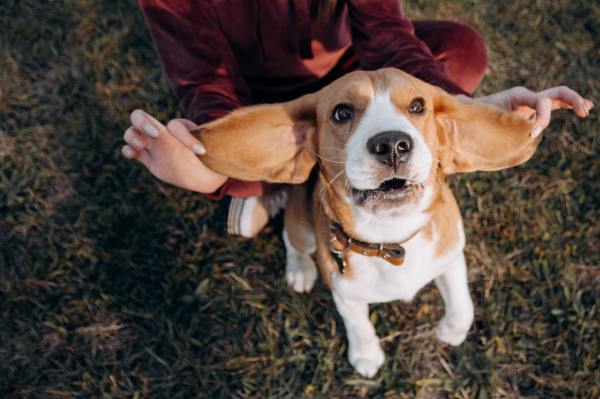
Beagles: The Perfect Family Pet

Are you looking for a family dog that is both lovable and energetic? Look no further than the Beagle! This breed is the perfect addition to any household with children, as they are known for their friendly temperament and loyalty.

Temperament: Beagles are friendly and social dogs, making them great companions for families with children. They are playful, curious, and love to be around people. Beagles are also known for their stubborn streak, which can make training a bit of a challenge. However, with patience and positive reinforcement training, they can learn to follow commands and become obedient.

Energy Level: Beagles have a moderate to high energy level and require daily exercise to stay healthy and happy. They love to play and run, so taking them for daily walks or playing games in the backyard is a great way to keep them active. Their hunting instincts also make them great at tracking scents, so games like hide-and-seek can be a fun way to engage their natural instincts.

Size: Beagles are considered medium-sized dogs, weighing between 20-30 pounds. Their size makes them perfect for families with children, as they are not too small to be easily injured, but not so big that they become overwhelming.

Shedding: Beagles have a short, dense coat that sheds moderately. Regular brushing can help minimize shedding, but they will still require some maintenance in this area.

Trainability: As previously mentioned, Beagles can be stubborn when it comes to training. However, they are intelligent dogs and respond well to Positive Reinforcement techniques. Training should begin early on and be consistent in order to achieve the best results.

Overall, Beagles are the perfect family pet for those looking for a friendly and energetic companion. With their playful and curious nature, they are sure to bring joy and laughter to any household.

Processing…
Success! You're on the list.

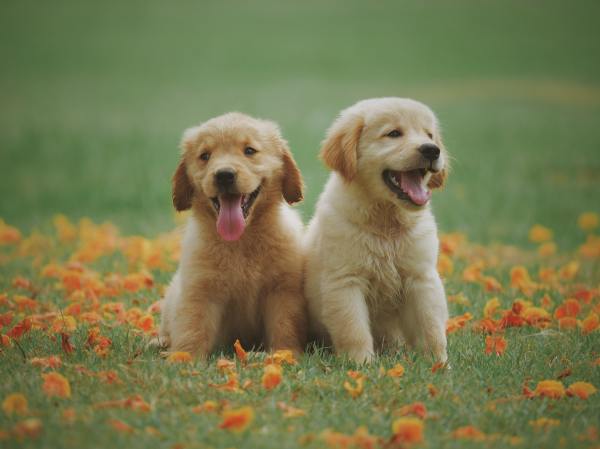
Golden Retriever: The Perfect Companion for Kids

Are you thinking of adding a furry friend to your family? Do you have young children and want a dog breed that is gentle, playful, and easy to train? Look no further than the Golden Retriever!

Temperament – Golden Retrievers are known for their sweet and gentle nature. They are friendly and outgoing, making them a great choice for families with children. They are patient and tolerant, which is important when it comes to young children who may pull tails or poke their noses. Golden Retrievers also have a strong desire to please their owners, which makes them highly trainable and obedient.

Energy Level – While Golden Retrievers have a lot of energy, they are not overly hyper. They are a medium to high energy breed and require daily exercise to keep them happy and healthy. A few walks a day or some playtime in the backyard should do the trick.

Trainability – Golden Retrievers are highly intelligent and eager to please, making them easy to train. They respond well to positive reinforcement and are known to excel in obedience and agility competitions. They also make great therapy dogs due to their gentle nature and desire to please.

Size – Golden Retrievers are a medium to large breed, with males typically weighing between 65-75 pounds and females weighing between 55-65 pounds. They are sturdy and well-built, making them great playmates for kids.

Shedding – Golden Retrievers are known for their beautiful golden coat, but with that comes some shedding. They require regular grooming and brushing to keep their coat healthy and to minimize shedding around the house.

Exercise Needs – Golden Retrievers require regular exercise to keep them healthy and happy. They enjoy walks, runs, and playing in the backyard. They also love to swim, so taking them to the beach or a nearby lake is a great way to keep them active and entertained.

In conclusion, if you’re looking for a family-friendly breed that is gentle, playful, and easy to train, then the Golden Retriever is an excellent choice. They are great with kids, have a medium to high energy level, and require regular exercise to keep them healthy and happy. Their loyalty and love for their family make them a perfect companion for kids of all ages.

Processing…
Success! You're on the list.

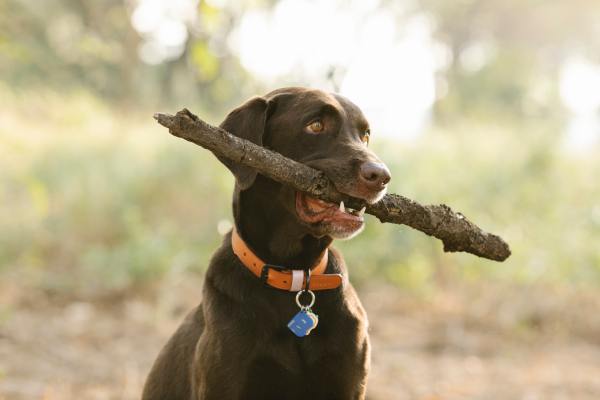
Labrador Retriever: The Ultimate Family Dog

Which are the best dog breeds for families with kids? One breed that comes to mind is the Labrador Retriever. Labradors are one of the most popular dog breeds in the world, and for good reason. In this blog post, I will provide detailed information about why Labradors are a great choice for families with kids.

Temperament – Labradors are known for their friendly, outgoing personalities. They love people, especially children. They are patient and tolerant, which makes them a great choice for families with young kids. They are also very social and enjoy spending time with their human family.

Energy Level – Labradors are a high-energy breed, which makes them great for families with active kids. They love to play, run and fetch, and need plenty of exercise to keep them healthy and happy. They are also great companions for outdoor activities like hiking and swimming.

Trainability – Labradors are very intelligent and easy to train. They are eager to please their owners, which makes them quick learners. They respond well to positive reinforcement training methods and are great candidates for obedience training and agility training.

Size – Labradors are a medium to large-sized breed, with males typically weighing between 65-80 pounds and females weighing between 55-70 pounds. They are big enough to be a good playmate for kids, but not so big that they are difficult to handle.

Shedding – Labradors are moderate to heavy shedders, which means they require regular brushing and grooming to keep their coat healthy and clean. However, they are not considered hypoallergenic, so families with allergies may want to consider a different breed.

In summary, Labradors are a great choice for families with kids. They have friendly and outgoing personalities, high energy levels, are easy to train, and are a great size for families. While they do require regular grooming, their love and loyalty make them a wonderful addition to any family. If you’re considering adding a new furry member to your family, a Labrador Retriever could be the perfect fit.

Processing…
Success! You're on the list.

The Best Dog Breeds for Kids: Which One is Right for Your Family

I often get asked about the best dog breeds for families with kids. The answer is not straightforward, as different breeds have different personalities and characteristics that can make them more or less suitable for households with young children. In this blog post, I will provide detailed information on five of the best dog breeds for families with kids, including their temperament, energy level, and trainability.

  1. Labrador Retriever – Labrador Retrievers are one of the most popular dog breeds for families with kids, and for good reason. These dogs are known for their friendly, outgoing personalities and their love of people. They are also very intelligent and easy to train, making them a great choice for families who want a dog that is both fun and obedient. Labs are also very active, so they need plenty of exercise to keep them happy and healthy.
  2. Golden Retriever – Like Labs, Golden Retrievers are known for their friendly, outgoing personalities and their love of people. They are also very intelligent and easy to train, making them a great choice for families with kids. Golden Retrievers are also very affectionate and loyal, making them great family pets. They are also very patient with kids, which is important in a household with young children.
  3. Beagle – Beagles are small to medium-sized dogs that are known for their playful and energetic personalities. They are also very loyal and loving, making them great family pets. Beagles are also very easy to train, although they can be stubborn at times. They are also very active, so they need plenty of exercise to keep them happy and healthy.
  4. Boxer – Boxers are medium to large-sized dogs that are known for their playful and energetic personalities. They are also very loyal and protective, making them great family pets. Boxers are also very intelligent and easy to train, although they can be stubborn at times. They are also very active, so they need plenty of exercise to keep them happy and healthy.
  5. Bulldog – Bulldogs are medium-sized dogs that are known for their calm and gentle personalities. They are also very loyal and affectionate, making them great family pets. Bulldogs are also very easy to train, although they can be stubborn at times. They are also not very active, so they don’t need as much exercise as some other breeds.

When choosing a dog breed for your family, it’s important to consider factors such as size, shedding, and exercise needs. You should also consider the temperament and personality of the breed, as well as how easy it is to train. With these factors in mind, any of the five breeds listed above would make great family pets. Remember, a dog is a lifelong commitment, so be sure to choose a breed that is a good fit for your family’s lifestyle and personality.

Processing…
Success! You're on the list.

5 Proven ways to Eliminate Pet Odors in Your Home

As a dog owner, I know how difficult it can be to keep your home smelling fresh and clean when you have furry friends around. While dogs are wonderful companions, they can leave behind a less-than-pleasant odor that can be tough to get rid of. Fortunately, there are plenty of products out there that can help eliminate that odor and keep your home smelling great. Here is a list of products to use and how often they should be used:

  1. Air purifiers: Air purifiers are great for removing pet odors from the air. They use filters to trap pet hair, dander, and other allergens that can cause odors. It’s recommended to run your air purifier continuously to keep the air in your home clean and fresh.
  2. Odor neutralizers: Odor neutralizers are designed to eliminate odors, not just mask them. These products contain enzymes or bacteria that break down odor-causing molecules. It’s recommended to use odor neutralizers as needed or after cleaning up pet messes.
  3. Carpet and upholstery cleaners: Carpets and upholstery can trap pet odors, so it’s important to clean them regularly. Use a pet-specific cleaner designed to remove stains and odors. Depending on the amount of traffic in your home, it’s recommended to clean carpets and upholstery every six months to a year.
  4. Pet-safe cleaners: When cleaning up after your pets, use pet-safe cleaners that are free from harsh chemicals and fragrances. These cleaners are safe for your pets and won’t irritate their skin or respiratory system. Use pet-safe cleaners as needed or after cleaning up pet messes.
  5. Essential oils: Essential oils can be used to add a pleasant scent to your home while also eliminating odors. Lavender, lemon, and peppermint are great for neutralizing pet odors. Add a few drops of essential oil to a diffuser or mix with water in a spray bottle and use as needed.
  6. Baking soda: Baking soda is a natural odor neutralizer that can be used to eliminate pet odors. Sprinkle baking soda on carpets and upholstery and let sit for 15-30 minutes before vacuuming. It’s recommended to use baking soda every 2-3 months or as needed.
  7. Vinegar: Vinegar is another natural odor neutralizer that can be used to eliminate pet odors. Mix equal parts vinegar and water in a spray bottle and use it to clean surfaces in your home. It’s recommended to use vinegar as needed or after cleaning up pet messes.

In conclusion, keeping your home smelling fresh and clean with pets requires regular care and cleaning. By using a combination of these products and cleaning methods, you can eliminate pet odors and keep your home smelling fresh. It’s important to use these products as recommended and clean up after your pets regularly to maintain a fresh and clean home.

Becoming a Canine Good Citizen: A Guide to Passing the CGC Test

Welcome, dog lovers!

Today, we’re going to talk about one of the most important aspects of being a responsible dog owner: the Canine Good Citizen (CGC) test.

What is the CGC test, you may ask? It is a test designed to evaluate a dog’s behavior in a variety of situations and determine whether or not they possess the skills necessary to be a “good canine citizen.”

But why is this important, you may wonder? Well, for starters, a well-behaved dog is not only easier to live with, but also safer for both themselves and those around them. Furthermore, many public places such as parks, stores, and restaurants require dogs to be well-behaved and have their CGC certification before entering.

So, what is needed to pass the CGC test? Let’s break it down.

The test consists of ten different parts, each designed to evaluate a different aspect of your dog’s behavior. These include:

  1. Accepting a friendly stranger: Your dog must remain calm and allow a friendly stranger to approach and pet them.
  2. Sitting politely for petting: Your dog must sit calmly while being petted by a stranger.
  3. Appearance and grooming: Your dog must tolerate being groomed and examined by a stranger.
  4. Walking on a loose leash: Your dog must walk calmly on a loose leash without pulling or lunging.
  5. Walking through a crowd: Your dog must remain calm and well-behaved while walking through a crowd of people.
  6. Sit and down on command and staying in place: Your dog must be able to follow basic obedience commands such as “sit” and “down” and stay in place when commanded.
  7. Coming when called: Your dog must come when called, even from a distance.
  8. Reaction to another dog: Your dog must remain calm and well-behaved when meeting another dog.
  9. Reaction to distraction: Your dog must remain calm and well-behaved when faced with distractions such as loud noises or sudden movements.
  10. Supervised separation: Your dog must remain calm and relaxed when left with a stranger for a short period of time.

To pass the test, your dog must perform each of these tasks successfully. Of course, this is easier said than done, and it may take some training and practice to get there.

So, how can you prepare your dog for the CGC test? Here are some tips:

  1. Start training early: The earlier you begin training your dog, the better. Basic obedience training should start as soon as you bring your dog home.
  2. Practice, practice, practice: Practice each of the ten parts of the test regularly with your dog to ensure they are comfortable and confident in each situation.
  3. Socialize your dog: Exposure to new people, animals, and environments is crucial for developing a well-behaved dog.
  4. Use positive reinforcement: Positive reinforcement training methods, such as rewarding your dog with treats or praise, are the most effective way to teach your dog new behaviors.
  5. Be patient and persistent: Training takes time and effort, so be patient with your dog and continue to work with them until they master each part of the test.

In conclusion, the Canine Good Citizen test is an essential part of responsible dog ownership. By passing the test, you can ensure that your dog is well-behaved, safe, and welcome in a variety of public places. So, get out there and start training your furry friend – you’ll be amazed at what they can accomplish!

RockyNus

Redmond WA.

Processing…
Success! You're on the list.

Follow us!

Designed with WordPress.com

Thinking about getting a Puppy?

Getting a new puppy can be exciting and overwhelming. To make sure you have everything you need for your new furry friend, here’s a checklist of things to get for your new puppy:

  1. Food: Puppies have different nutritional needs than adult dogs, so make sure to get food specifically formulated for puppies. Choose a high-quality brand that meets your puppy’s nutritional needs.
  2. Water and food bowls: Get two bowls, one for food and one for water. Choose a size appropriate for your puppy’s breed and size.
  3. Collar and leash: Puppies need a collar and leash for training and walking. Choose a lightweight collar that fits your puppy’s neck properly and a leash that’s strong enough to handle your puppy’s pulling.
  4. Identification tags: Attach an identification tag to your puppy’s collar with your contact information in case your puppy gets lost.
  5. Crate or carrier: A crate or carrier can help keep your puppy safe and secure during transport or when you’re away. Choose a size that your puppy can stand up, turn around, and lie down comfortably in.
  6. Bedding: Get a comfortable bed or blanket for your puppy to sleep on. Make sure it’s washable, and choose a material that’s comfortable and durable.
  7. Toys: Puppies love to play, so get a variety of toys that are safe and age-appropriate. Chew toys can help alleviate teething discomfort.
  8. Puppy pads or newspapers: Puppies need to go potty frequently, and accidents are inevitable. Puppy pads or newspapers can help minimize messes and make clean-up easier.
  9. Grooming supplies: Get a brush or comb, shampoo, and nail clippers for grooming your puppy. Puppies need frequent grooming to maintain their coat and keep their nails short.
  10. Treats: Use treats to reward good behavior during training or just as a special treat. Choose healthy, low-calorie treats to avoid overfeeding your puppy.

Remember, getting a new puppy is a big responsibility, so be prepared to provide plenty of love, attention, and care for your new furry friend.

Blog at WordPress.com.

Up ↑