Becoming a Canine Good Citizen: A Guide to Passing the CGC Test

Welcome, dog lovers!

Today, we’re going to talk about one of the most important aspects of being a responsible dog owner: the Canine Good Citizen (CGC) test.

What is the CGC test, you may ask? It is a test designed to evaluate a dog’s behavior in a variety of situations and determine whether or not they possess the skills necessary to be a “good canine citizen.”

But why is this important, you may wonder? Well, for starters, a well-behaved dog is not only easier to live with, but also safer for both themselves and those around them. Furthermore, many public places such as parks, stores, and restaurants require dogs to be well-behaved and have their CGC certification before entering.

So, what is needed to pass the CGC test? Let’s break it down.

The test consists of ten different parts, each designed to evaluate a different aspect of your dog’s behavior. These include:

  1. Accepting a friendly stranger: Your dog must remain calm and allow a friendly stranger to approach and pet them.
  2. Sitting politely for petting: Your dog must sit calmly while being petted by a stranger.
  3. Appearance and grooming: Your dog must tolerate being groomed and examined by a stranger.
  4. Walking on a loose leash: Your dog must walk calmly on a loose leash without pulling or lunging.
  5. Walking through a crowd: Your dog must remain calm and well-behaved while walking through a crowd of people.
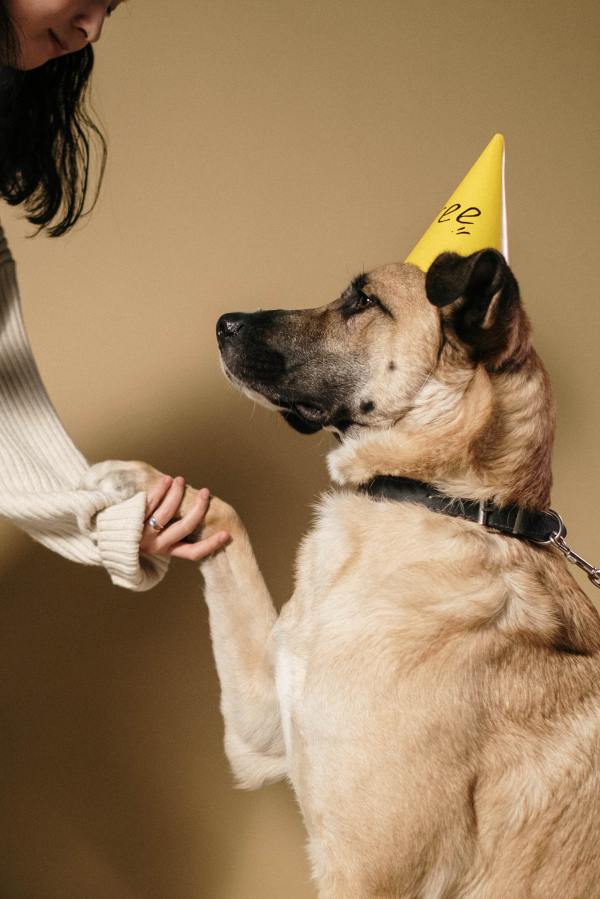
  6. Sit and down on command and staying in place: Your dog must be able to follow basic obedience commands such as “sit” and “down” and stay in place when commanded.
  7. Coming when called: Your dog must come when called, even from a distance.
  8. Reaction to another dog: Your dog must remain calm and well-behaved when meeting another dog.
  9. Reaction to distraction: Your dog must remain calm and well-behaved when faced with distractions such as loud noises or sudden movements.
  10. Supervised separation: Your dog must remain calm and relaxed when left with a stranger for a short period of time.

To pass the test, your dog must perform each of these tasks successfully. Of course, this is easier said than done, and it may take some training and practice to get there.

So, how can you prepare your dog for the CGC test? Here are some tips:

  1. Start training early: The earlier you begin training your dog, the better. Basic obedience training should start as soon as you bring your dog home.
  2. Practice, practice, practice: Practice each of the ten parts of the test regularly with your dog to ensure they are comfortable and confident in each situation.
  3. Socialize your dog: Exposure to new people, animals, and environments is crucial for developing a well-behaved dog.
  4. Use positive reinforcement: Positive reinforcement training methods, such as rewarding your dog with treats or praise, are the most effective way to teach your dog new behaviors.
  5. Be patient and persistent: Training takes time and effort, so be patient with your dog and continue to work with them until they master each part of the test.

In conclusion, the Canine Good Citizen test is an essential part of responsible dog ownership. By passing the test, you can ensure that your dog is well-behaved, safe, and welcome in a variety of public places. So, get out there and start training your furry friend – you’ll be amazed at what they can accomplish!

RockyNus

Redmond WA.

Processing…
Success! You're on the list.

Follow us!

Designed with WordPress.com

Best Way to Protect Your Dog: Why Vaccination is Essential for Your Dog’s Health

Hello there, fellow Dog lovers!

Vaccination is a simple yet incredibly powerful way to keep our dogs healthy and protect them from potentially deadly diseases. In this blog, I will discuss the different types of vaccinations, their benefits, and when your dog should receive them.

Types of Vaccinations

There are several different vaccinations available to protect our dogs from various diseases. Some of the most common vaccines include:

  1. Distemper: This vaccine protects against a highly contagious and potentially deadly virus that can cause a range of symptoms, including fever, coughing, vomiting, and seizures.
  2. Parvovirus: This vaccine protects against a highly contagious virus that can cause severe diarrhea, vomiting, and dehydration, and can be fatal in some cases.
  3. Rabies: This vaccine protects against a virus that attacks the nervous system and can be transmitted to humans through bites or scratches from infected animals.
  4. Bordetella: This vaccine protects against a bacterial infection that can cause coughing, sneezing, and pneumonia.

Benefits of Vaccination

The benefits of vaccination for our dogs are numerous. Vaccines not only protect our pets from potentially deadly diseases, but they can also save us a lot of money in veterinary bills. It is much cheaper to prevent a disease through vaccination than it is to treat it once our dog has become sick. Additionally, some vaccines, such as the rabies vaccine, are required by law in many areas to protect public health.

When to Vaccinate Your Dog

The age at which your dog should receive vaccinations depends on several factors, including the type of vaccine, your dog’s age, and their overall health. Puppies should start receiving vaccinations as early as six weeks old, with boosters given every three to four weeks until they are around 16 weeks old. Adult dogs should receive booster shots on a regular schedule, typically every one to three years, depending on the vaccine and your dog’s individual needs.

In addition to the standard vaccinations, there are other vaccines available for certain dogs depending on their lifestyle and activities. For example, dogs that spend a lot of time outdoors may benefit from the Lyme disease vaccine, while dogs that frequently visit boarding facilities may need the canine influenza vaccine.

In conclusion, vaccination is an essential part of responsible pet ownership. By vaccinating our dogs, we can protect them from potentially deadly diseases and keep them healthy for years to come. As always, consult with your veterinarian to determine which vaccines are appropriate for your dog and when they should receive them.

Processing…
Success! You're on the list.

Creating a Healthy Foundation: Examples of Good Routines for Your Puppy

As a fellow dog lover, I cannot stress enough the importance of establishing consistent routines and boundaries for puppies. Puppies thrive on structure and predictability, and without it, they can become anxious and stressed, which can lead to behavior problems. In this blog, I will provide you with some examples of good routines to help you establish a solid foundation for your furry friend.

Feeding Routine:

Establishing a feeding routine is crucial for your puppy’s overall health and well-being. Puppies should be fed at regular intervals throughout the day to help maintain a healthy metabolism and prevent digestive problems. It’s recommended that puppies be fed three to four small meals per day, rather than one or two large meals. This will help prevent overeating and reduce the risk of bloating, which can be a life-threatening condition for dogs.

Potty Routine:

Establishing a potty routine is essential for successful potty training. Puppies should be taken out for potty breaks at regular intervals throughout the day, especially after eating, drinking, playing, and sleeping. It’s important to take your puppy to the same spot every time and use a consistent command, such as “go potty” or “do your business.” This will help your puppy understand what is expected of them and reduce the risk of accidents in the house.

Exercise Routine:

Puppies have a lot of energy and need plenty of exercise to help them burn off that energy and stay healthy. It’s important to establish a regular exercise routine that includes plenty of playtime and walks. Puppies should be exercised for at least 20-30 minutes per day, depending on their age and breed. As your puppy grows, you can increase the length and intensity of their exercise routine.

Sleep Routine:

Puppies need plenty of sleep to grow and develop properly. It’s important to establish a regular sleep routine that includes plenty of rest and relaxation. Puppies should be provided with a comfortable bed in a quiet area of the house where they can rest undisturbed. Puppies need more sleep than adult dogs, so make sure they have plenty of opportunities to rest throughout the day.

Training Routine:

Training is an essential part of raising a well-behaved puppy. It’s important to establish a consistent training routine that includes positive reinforcement and clear boundaries. Puppies should be rewarded for good behavior with treats, praise, and affection. Consistent training will help your puppy understand what is expected of them and encourage them to repeat good behaviors in the future.

In conclusion, establishing consistent routines and boundaries for your puppy is essential for their health and well-being. By following these examples of good routines, you can provide your puppy with a solid foundation for a happy and healthy life. Remember to be patient and consistent with your training, and always use positive reinforcement to encourage good behavior. With time and dedication, you can raise a well-behaved and happy furry friend.

Puppy Ownership 101: Understanding the Responsibilities

Hello, fellow dog lovers!

I cannot stress enough the importance of establishing consistent routines and boundaries for puppies. Puppies thrive on structure and predictability, and without it, they can become anxious and stressed, which can lead to behavior problems.

First and foremost, it’s important to establish a routine for feeding, potty breaks, exercise, and playtime. This will help your puppy know what to expect and when to expect it. Consistency is key when it comes to establishing a routine. Make sure you feed your puppy at the same time every day, take them out for potty breaks at regular intervals, and provide them with exercise and playtime on a consistent schedule.

Boundaries are also essential when it comes to raising a well-behaved puppy. Boundaries help your puppy understand what behaviors are acceptable and what are not. For example, if your puppy is not allowed on the furniture, it’s important to establish that boundary from the beginning and enforce it consistently. This will prevent confusion and help your puppy learn what is expected of them.

In addition to establishing consistent routines and boundaries, it’s important to use positive reinforcement when training your puppy. Positive reinforcement means rewarding good behavior with treats, praise, and affection. This helps your puppy understand what behaviors are desirable and encourages them to repeat those behaviors in the future.

It’s important to remember that consistency is key when it comes to raising a well-behaved puppy. Establishing consistent routines and boundaries from the beginning will help your puppy feel secure and confident, which will lead to better behavior and a happier home life for everyone.

In conclusion, if you want to raise a well-behaved puppy, it’s essential to establish consistent routines and boundaries. This will help your puppy feel secure and confident, which will lead to better behavior and a happier home life for everyone. By using positive reinforcement and consistent training, you can create a strong bond with your puppy and enjoy many years of love and companionship.

5 Easy Steps on How to Putty Train Your Puppy!

Photo by Brett Sayles

Welcome to our guide on how to potty train your puppy!

I’m often asked about the best way to potty train a puppy. And let me tell you, potty training can be a challenging but essential task when it comes to raising a well-behaved and happy furry friend. With patience, consistency, and positive reinforcement, you can successfully train your puppy to do their business outside.

Step 1: Establish a Routine- One of the most important aspects of potty training is establishing a routine. Puppies succeed on routine, so it’s essential to take them out for a bathroom break at the same times every day. Typically, puppies need to go outside immediately after waking up, after eating, and after playing.

Step 2: Choose a Designated Spot – Choosing a designated spot for your puppy to do their business is another crucial part of potty training. Pick an area outside that’s easily accessible, and consistently take your puppy there to go potty. Using a specific word or phrase like “go potty” when you take them outside will eventually help your puppy associate the phrase with the act of going potty.

Step 3: Positive Reinforcement – Positive reinforcement is key when it comes to potty training. Whenever your puppy goes potty in the designated spot, make sure to praise them and give them a treat. This will help them understand that going potty in the designated spot is a good thing.

Step 4: Consistency – Consistency is critical when it comes to potty training. Make sure to take your puppy outside at the same times every day, and never punish them for accidents inside the house. Instead, ignore the behavior and thoroughly clean the area with an enzymatic cleaner to eliminate the scent.

Step 5: Patience – Remember, potty training takes time and patience. Don’t expect your puppy to be fully housebroken in just a few days. Be prepared for accidents and setbacks, and always remain positive and patient.

In conclusion, potty training your puppy can seem like a daunting task, but it doesn’t have to be. By establishing a routine, choosing a designated spot, using positive reinforcement, remaining consistent, and having patience, you can successfully housebreak your new furry friend.

Now that you have some basic tips on potty training your puppy, what are some challenges you have faced when it comes to housebreaking your furry friend? Have you found any additional tips or tricks that have helped you in the process? Share your thoughts and experiences in the comments below! Happy Training!

Leave a comment

Getting a puppy?

Pexels.com

Hello, fellow dog lovers!

I often get asked what to look for when getting a new puppy. And I have to say, there are a few important factors to consider before bringing home a new furry friend.

First and foremost, it’s crucial to do your research and find a reputable breeder or adoption agency. Look for someone who has experience breeding or caring for puppies and who puts the welfare of their dogs first.

Next, consider the breed or mix of your potential puppy. Different breeds have different temperaments and exercise requirements, so choose one that fits your lifestyle and personality. For example, a high-energy breed like a Border Collie may not be a good match for someone who lives in an apartment and works long hours.

Once you’ve found a breeder or adoption agency, it’s time to evaluate the individual puppy you’re considering. Here are a few things to look for:

  1. Health: A healthy puppy should have clear eyes, clean ears, and a shiny coat. They should also be active and playful, with no signs of lethargy or illness.
  2. Temperament: A puppy’s temperament can be a good indication of their personality as an adult. Look for a puppy who is friendly, curious, and confident. Avoid puppies who seem fearful or aggressive.
  3. Socialization: Puppies need early socialization to become well-adjusted adults. Make sure the puppy you’re considering has had exposure to different people, animals, and environments.
  4. Trainability: While all puppies can be trained, some breeds may be easier to train than others. Look for a puppy who is eager to please and responds well to basic commands.
  5. Breeder support: A good breeder or adoption agency will offer support and guidance as you raise your puppy. They should be available to answer questions and provide resources as needed.

By considering these factors and doing your due diligence, you can find the perfect puppy to join your family. Remember, getting a new puppy is a big responsibility, but with love, patience, and proper training, your furry friend will bring you years of joy and companionship.

Blog at WordPress.com.

Up ↑